
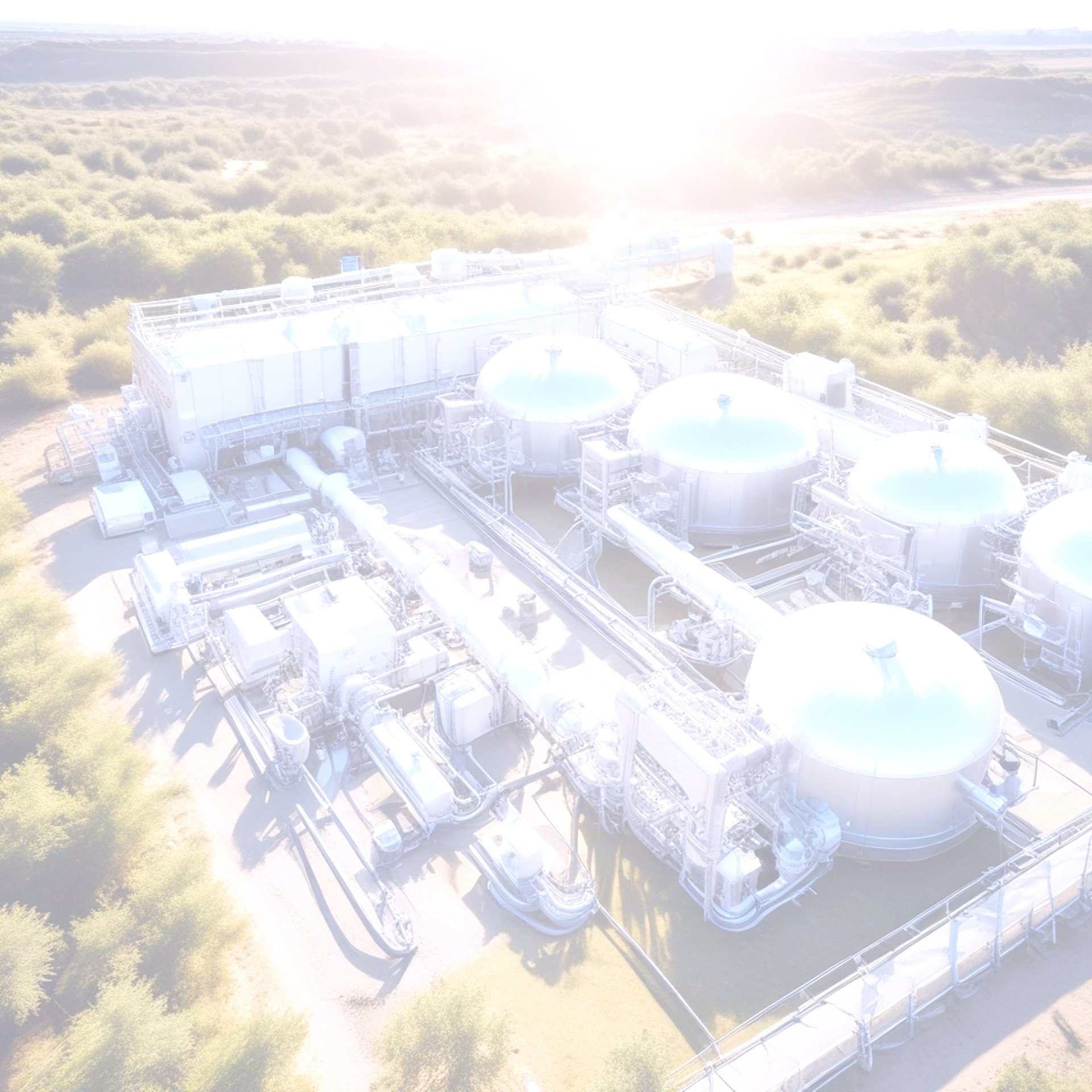
Sustainable Pathways to Hydrogen Production
The quest for sustainable energy solutions has led to an increased interest in hydrogen as a clean fuel alternative. Hydrogen can be produced through various methods, each with distinct characteristics and environmental impacts. This document explores several innovative techniques for hydrogen production, particularly focusing on white hydrogen, green hydrogen, and purple hydrogen ...
along with the concept of volcanic taming.
White Hydrogen: A Natural Phenomenon White hydrogen refers to hydrogen that is naturally occurring in the earth's crust. It is typically found in geological formations and can be extracted through the natural processes of geological hydrogen generation. This form of hydrogen is considered a sustainable option due to its abundant availability and minimal environmental impact. Interest in white hydrogen is growing as advancements in geological exploration allow for better identification of natural reservoirs. Extracting white hydrogen not only minimizes emissions but also reduces reliance on fossil fuels, making it a promising avenue for hydrogen production.
Vulkan Taming: Harnessing Nature's Power The innovative concept of 'vulkan taming' involves utilizing volcanic activity for sustainable energy generation. Volcanoes emit hot gases, including hydrogen, during eruptions or through geothermal processes. By developing technologies to efficiently capture and utilize this hydrogen, we can create a renewable source of energy.
Regions with volcanic activity can become hotspots for hydrogen production.
By investing in research to harness this natural resource, we may tap into a potent source of sustainable hydrogen while reducing the carbon footprint associated with traditional extraction methods.
Green Hydrogen: Utilizing Excess Renewable Energy Green hydrogen is produced through electrolysis using renewable energy sources such as wind, solar, or hydroelectric power. This method has gained considerable traction as it allows for the production of hydrogen without carbon emissions. What makes green hydrogen particularly compelling is its potential to utilize surplus electricity generated during peak renewable energy production. For example, during sunny periods when solar panels generate more energy than is immediately needed, excess energy can be directed to an electrolyzer. This process splits water into hydrogen and oxygen, storing energy in a form that can be easily transported and used later. Such a strategy not only improves the efficiency of renewable energy systems but also contributes to stabilizing energy grids by acting as a buffer during production fluctuations.
Purple Hydrogen: Methane Pyrolysis Purple hydrogen is produced through the process of methane pyrolysis, where natural gas (methane) is thermally decomposed into hydrogen and solid carbon without producing carbon dioxide. This innovative technique addresses the environmental concerns typically associated with fossil fuel extraction and utilization. The solid carbon generated in this process can be used in various applications, including construction materials and batteries, thus closing the loop on carbon usage. Purple hydrogen offers a promising balance between utilizing existing fossil fuel infrastructure while significantly reducing overall carbon emissions.
This technology is still in the developmental stage but holds great potential for
large-scale hydrogen production.
The Future of Hydrogen Production As we stand on the cusp of a hydrogen economy, the various methods for hydrogen production offer diverse paths toward sustainable energy. White hydrogen can provide a natural and minimal-impact solution, while volcanic taming opens new frontiers for energy exploration. Meanwhile, the efficient harnessing of surplus energy for green hydrogen production promotes renewable energy integration, and the emerging technologies behind purple hydrogen present exciting opportunities for carbon reduction. In conclusion, the future of hydrogen production lies in a multifaceted approach that embraces innovation, sustainability, and ecological mindfulness. By advancing these technologies, we can not only meet the growing energy demands but also
pave the way towards a cleaner, more sustainable planet.

Power to Gas,
Methan und grüner Wasserstoff, Dampfreformierung versus Pyrolyse
In the ongoing quest for sustainable energy solutions, the concepts of power-to-gas, methane production, and green hydrogen are becoming increasingly significant. As the world transitions away from fossil fuels, alternative methods of energy generation and storage are crucial. This text explores the power-to-gas technology, specifically focusing on methane and green hydrogen production, and compares two prominent methods of methane generation: steam reforming and pyrolysis. ## Power-to-Gas Technology Power-to-gas (PtG) technology is an innovative approach that allows surplus renewable energy—often generated by sources such as wind and solar power—to be converted into storable gas. This process addresses a critical challenge faced by the renewable energy sector: the intermittent nature of energy generation. By converting excess electricity into hydrogen or methane, power-to-gas creates a way to store this energy and use it when demand exceeds supply.
How Power-to-Gas Works The power-to-gas process involves two primary steps:
Electrolysis: Renewable electricity is used to split water (H2O) into hydrogen (H2) and oxygen (O2) through a process called electrolysis. The hydrogen produced can be further utilized for various applications, including fuel cells or chemical synthesis. Methanation: The hydrogen produced can be combined with carbon dioxide (CO2) in a methanation process to create methane (CH4). This transformation mimics natural gas production and allows for the generation of synthetic methane, making it compatible with existing gas infrastructure. ## Green Hydrogen Green hydrogen refers to hydrogen produced using renewable energy sources without emitting greenhouse gases. This form of hydrogen is crucial for decarbonizing various sectors, including transportation, heavy industry, and heating. As a clean fuel, green hydrogen can significantly reduce reliance on fossil fuels, contributing to overall climate goals. Green hydrogen can be directly used in fuel cells or converted into other fuels and chemicals. By pairing renewable energy with electrolysis, green hydrogen emerges as a versatile and sustainable energy carrier.
Methane Production: Steam Reforming vs. Pyrolysis Two predominant methods for generating methane are steam reforming and pyrolysis. Each method has its own advantages and limitations, impacting its role in the broader energy landscape.
Steam Reforming Steam reforming is the most common method for producing hydrogen and methane from hydrocarbons, typically natural gas. In this process, methane reacts with steam (H2O) at high temperatures (700-1,000°C) in the presence of a catalyst to produce hydrogen and carbon monoxide (CO). The reaction is as follows: CH4 + H2O → CO + 3H2 In a subsequent reaction, known as the water-gas shift reaction, carbon monoxide can further react with water to produce more hydrogen and carbon dioxide: CO + H2O → CO2 + H2 While steam reforming is efficient and widely used, it generates significant CO2 emissions, which contradicts the goals of a sustainable energy future. However, one potential mitigation strategy involves capturing and storing the CO2 produced, known as carbon capture and storage (CCS).
Pyrolysis In contrast, pyrolysis is a thermochemical decomposition of organic materials in the absence of oxygen, producing solid, liquid, and gaseous products, including hydrogen, methane, and carbon. The process operates at varying temperatures (typically between 400-800°C) and results in a cleaner product compared to traditional methods. Pyrolysis has several benefits: -
Reduced Emissions: Because it does not require oxygen, pyrolysis avoids combustion-related CO2 emissions. Furthermore, the solid carbon output can potentially be utilized in various applications, such as soil enhancement or industrial materials. -
Feedstock Flexibility: Pyrolysis can use a wide range of feedstocks, including biomass and waste materials, contributing to a circular economy. -
Energy Storage: The gaseous products from pyrolysis can be further processed into high-value fuels or chemicals and serve as an energy storage solution. Comparing the Two Methods When considering steam reforming and pyrolysis, several factors come into play: environmental impact, efficiency, and economic feasibility. -
Environmental Impact: Pyrolysis offers a substantial advantage over steam reforming due to its lower emissions and potential to utilize renewable feedstocks. Steam reforming, while efficient, carries a carbon footprint due to the emissions of CO2 and the reliance on fossil fuels. E
Efficiency: Steam reforming is a well-established technology with high conversion efficiency, especially for natural gas. However, advancements in pyrolysis technologies are continuously improving conversion efficiencies and product yields. -
Economic Feasibility: The choice between these methods often hinges on local feedstock availability and economic considerations. Regions with abundant natural gas may find steam reforming more economical. In contrast, areas with significant agricultural or organic waste resources could benefit from investing in pyrolysis technologies.
Conclusion Power to gas represents a promising pathway for integrating renewable energy into the current energy system, particularly through the production of green hydrogen and methane. While steam reforming remains a dominant method for methane production, pyrolysis presents a more sustainable alternative with minimal environmental impact. Future developments in technologies and policies will be crucial in determining how these methods can jointly contribute to a cleaner, more sustainable energy landscape.
Chances of Methan Pyrolysis -
Microwaves versus Solare Heat pipes versus Tin bath
Methane pyrolysis, a promising method for hydrogen production with minimal carbon emissions, can be approached through various technologies. Among them, microwave-assisted pyrolysis, solar heat pipes, and tin bath methods each present unique advantages and challenges. This text will explore the comparative prospects of these three techniques in the context of methane pyrolysis.
1. Microwave-Assisted Methane Pyrolysis Microwave-assisted pyrolysis utilizes electromagnetic radiation to heat methane in a controlled manner. This technology allows for the effective and uniform heating of the methane molecules, leading to enhanced cracking efficiency. Advantages: -
Efficiency and Speed: The microwave process can achieve high temperatures rapidly, leading to shorter reaction times and potentially higher yields of hydrogen and carbon materials. -
Selective Heating: This method allows for selective heating, which can enhance the selectivity towards desired products and reduce by-products. -
Modularity and Scalability: Microwave systems can be designed as modular units, which simplifies scaling up the process for industrial applications.
Challenges: - Energy Costs: The energy input for microwave operation can be significant, raising concerns about the overall energy efficiency of the process. -
Equipment Costs: The initial capital investment for microwave technology can be high, which may limit its accessibility for smaller players in the energy market. -
Material Limitations: The interaction of microwaves with the feedstock can vary, necessitating advanced materials to optimize performance and durability.
Solar Heat Pipes Solar heat pipes harness solar energy to heat the methane feedstock for pyrolysis. This approach utilizes advanced thermal systems that transfer heat efficiently from the solar collector to the reactor.
Advantages: - Renewable Energy Source: Using solar energy makes this method sustainable and reduces greenhouse gas emissions associated with fossil fuel-based energy.
Cost-Effectiveness: Once installed, solar heat pipes can have low operating costs, as they harness energy from the sun without ongoing fuel expenses.
Temperature Control: The ability to control and maintain thermal conditions is advantageous for optimizing reaction dynamics. #### Challenges:
Dependence on Weather: The efficiency is heavily reliant on weather conditions, meaning productivity can vary seasonally and geographically.
Initial Investment: High initial costs for solar technologies can present barriers, particularly in regions with less solar exposure.
Scale and Integration: Scaling up solar heat pipes to industrial levels without losing efficiency remains a logistical challenge.
Tin Bath Pyrolysis The tin bath method employs molten tin as a heat transfer medium, providing effective thermal conduction for pyrolyzing methane. This system operates at high temperatures and has been shown to efficiently drive the reaction.
Advantages:
Uniform Heating: The high thermal conductivity of tin ensures uniform heating of the feedstock, which can improve product yields. - Material Recovery: The tin bath allows for effective recovery of solid carbon products, which can further contribute to the economics of the process.
Long Residence Time: The method can accommodate longer residence times, which may enhance the completeness of the pyrolysis reaction.
Challenges: -
High Operating Temperatures: Operating at such high temperatures can lead to increased energy consumption and system wear.
Safety Concerns: The handling of molten tin raises safety and environmental concerns that must be managed rigorously.
Maintenance: The management of the tin bath can be complicated, requiring ongoing maintenance and monitoring.
Comparative Analysis When considering the prospects of microwave-assisted pyrolysis, solar heat pipes, and tin bath methods, several key factors emerge:
Sustainability: The solar heat pipe approach leads in sustainability due to its reliance on renewable energy, whereas the microwave and tin bath methods require significant energy inputs that may not be renewable.
Efficiency and Speed: Microwave-assisted pyrolysis excels in efficiency and speed due to rapid heating capabilities, while tin bath pyrolysis offers uniform heating and long reaction times.
Initial Costs vs. Operating Costs: Solar heat pipes may have higher initial setup costs but lower operating costs, whereas microwave and tin bath systems have substantial energy and maintenance requirements.
Scalability: Microwave-assisted pyrolysis presents significant scalability potential due to its modular nature, while solar heat pipes encounter challenges related to weather dependency and infrastructure investment.
Conclusion In the evolving landscape of methane pyrolysis technologies, the choice between microwave-assisted pyrolysis, solar heat pipes, and tin bath methods ultimately hinges on various factors, such as specific application needs, geographical considerations, and economic feasibility. Microwave technology offers benefits in efficiency and modular scalability, solar heat pipes emphasize sustainability and cost-effectiveness, and tin bath pyrolysis ensures effective product recovery but poses operational challenges. Further research and development will be essential to maximize the benefits and address the challenges of each method, paving the way for more efficient and sustainable hydrogen production through methane pyrolysis.
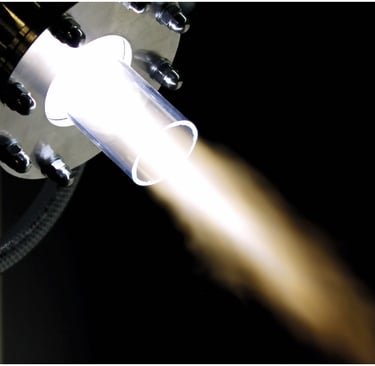
Weißer Wasserstoff, Energiequelle des 21. Jahrhunderts.
Vorkommen, Gewinnung, Nutzung
White hydrogen, a term that increasingly enters discussions surrounding energy sustainability, is set to emerge as a defining energy source of the 21st century. With its prevalence on Earth, methods of extraction, and diverse applications, understanding white hydrogen's potential is crucial for the future of clean energy.
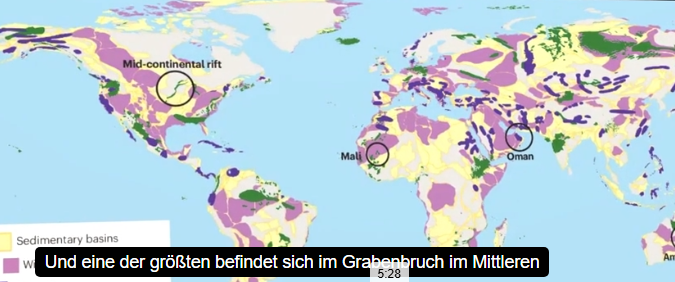
Occurrence of White Hydrogen Unlike more commonly discussed forms of hydrogen, such as grey, blue, or green hydrogen, white hydrogen refers to naturally occurring molecular hydrogen found in the Earth's crust. It is not artificially produced through processes that rely on fossil fuels or renewable energy sources. Geological surveys and researchers have indicated that white hydrogen deposits can be located in various subsurface locations, primarily around ancient geological formations and oil fields. As such, countries with significant geological activity – for example, those near tectonic plate boundaries – may hold untapped reserves of white hydrogen. Understanding these occurrences is critical as they open new avenues for hydrogen extraction and utilization.
Extraction of White Hydrogen The extraction of white hydrogen presents unique opportunities and challenges. Traditional hydrogen extraction methods like steam methane reforming (SMR) or electrolysis rely on external resources, whereas mining white hydrogen involves geological exploration and tapping into natural deposits. Methods of extraction may include drilling into gas pockets where hydrogen is present or utilizing existing oil wells to harness hydrogen escape. As the demand for hydrogen grows, innovative technologies may develop to facilitate efficient extraction while minimizing environmental impact. Research has already begun to assess the feasibility and safety of these extraction methods, emphasizing the importance of rigorous monitoring to ensure sustainable hydrogen production. Each extraction point will benefit from geological surveys that can pinpoint the most promising areas for white hydrogen harvesting, allowing for strategic development and investment in this new energy frontier.
Utilization of White Hydrogen The versatility of white hydrogen as an energy source can pave the way for various applications across different sectors. Hydrogen can be used in fuel cells to generate electricity, making it an appealing option for transportation, especially in fuel cell vehicles (FCVs). Additionally, it holds promise for heavy industries, such as steel and ammonia production, where it can serve as a cleaner substitute for fossil fuels, potentially resulting in reduced carbon emissions. Furthermore, the energy density of hydrogen makes it an ideal candidate for large-scale energy storage solutions, enabling excess renewable energy from sources like wind or solar to be stored and utilized when demand peaks. This capability would greatly enhance the stability and reliability of energy grids, particularly in regions undergoing rapid transitions to renewable sources. The chemical properties of white hydrogen also allow for its integration into existing infrastructure, where it can be blended with natural gas for heating and electricity generation purposes, contributing to a transition towards a hydrogen economy.
Conclusion As the world grapples with the urgent need to curb greenhouse gas emissions and accelerate the shift towards sustainable energy, white hydrogen represents an underexplored yet promising resource. Its geological abundance, potential for direct extraction, and versatility as an energy carrier position it as a key player in the energy landscape of the 21st century. Harnessing white hydrogen could contribute significantly to global energy security, economic growth, and a sustainable future. Continued research, investment, and innovation in extraction and utilization technologies will be vital in realizing the full potential of this revolutionary energy source.
Volcano Taming and Production of White Hydrogen
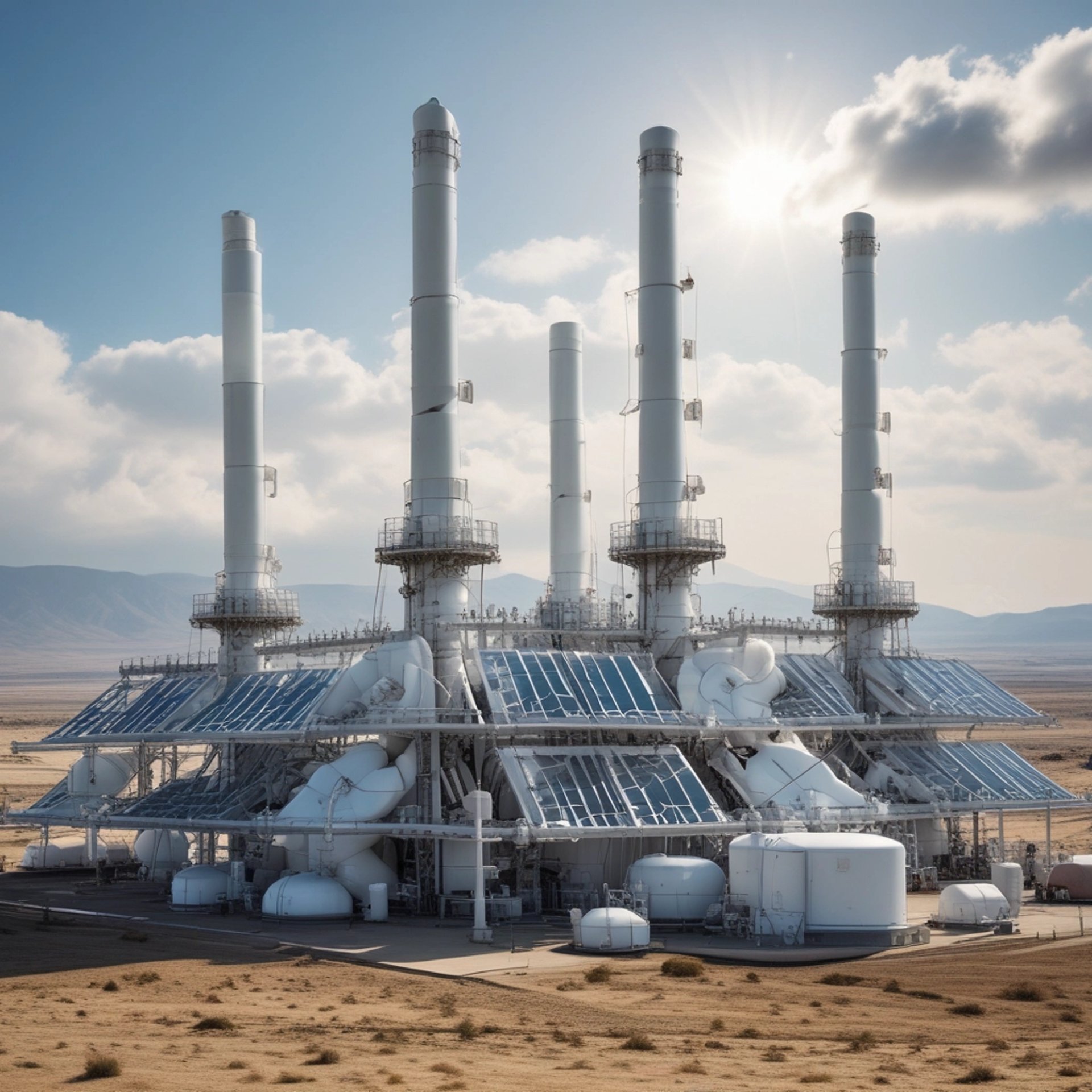
White hydrogen, a concept emerging from the intersection of geology and sustainable energy, refers to hydrogen produced through a unique process involving volcanic magmas. This process harnesses water injection techniques to extract hydrogen directly from the Earth's mantle. Unlike conventional methods of hydrogen production that rely on fossil fuels or electrolysis from water, white hydrogen taps into geological phenomena, presenting an innovative pathway to a cleaner energy source. The process begins with understanding the geological settings conducive to the formation of hydrogen. In certain volcanic regions, magma contains various gases, including hydrogen. When water is injected into these magma chambers, a series of chemical reactions occur. The high temperatures and pressures within the magma facilitate the breakdown of silicate minerals, resulting in the release of hydrogen gas. This hydrogen can then be captured and utilized as a clean fuel source. One of the most significant advantages of white hydrogen is its potential for abundance. Many volcanic regions around the world could be tapped for this resource, particularly in areas with active geothermal activity. Countries such as Iceland, Italy, and Indonesia, known for their volcanic landscapes, may find themselves at the forefront of this emerging hydrogen economy. Furthermore, unlike fossil fuels, which release carbon dioxide and other greenhouse gases when burned, white hydrogen combustion only produces water vapor as a byproduct. This characteristic positions white hydrogen as an environmentally friendly alternative, crucial for meeting global emissions reduction targets. However, despite its potential benefits, the commercial viability of white hydrogen production is still in its infancy. Research is necessary to explore the optimal conditions for water injection and to assess the stability and quantity of hydrogen that can be extracted from various volcanic systems. Additionally, infrastructure must be developed to transport and store this hydrogen safely and efficiently. In conclusion, white hydrogen, extracted from volcanic magmas through water injection techniques, holds promise as a sustainable and clean energy resource. As the world seeks to transition away from fossil fuels, understanding and developing this innovative source could play a pivotal role in shaping a greener future.

email: ceng1@gmx.de
© 2025. All rights reserved.
Das Ende der Reise - Aufstieg zum Empyreon




Wie, wenn ins ew'ge Licht mein Auge schaut,
mich dieses ganz mit seinem Strahl entzündet,
so ist mir deines Denkens Grund vertraut
Paradiso 11, 19