

Visionen - Forschung, Wissenschaft, Technik
Wir spiegeln Dantes Dichtung in unserer modernen Welt und zeigen, wie Künstler, Wissenschaftler, Techniker und Denker heute seine Themen neu interpretieren.
12/3/202544 min read


Forschung, Wissenschaft, Technik
Der Geist, jetzt Schlange, zischte laut und eilte
Durch's Tal davon - der andre spuckt' ihr nach,
Indem er noch, sie schmähend, dort verweilte.
Inferno 25, 136


Oilage
An der Schwelle zum 20. Jahrhundert prägten
3 Menschen
kommende Industrien und Wohlstand
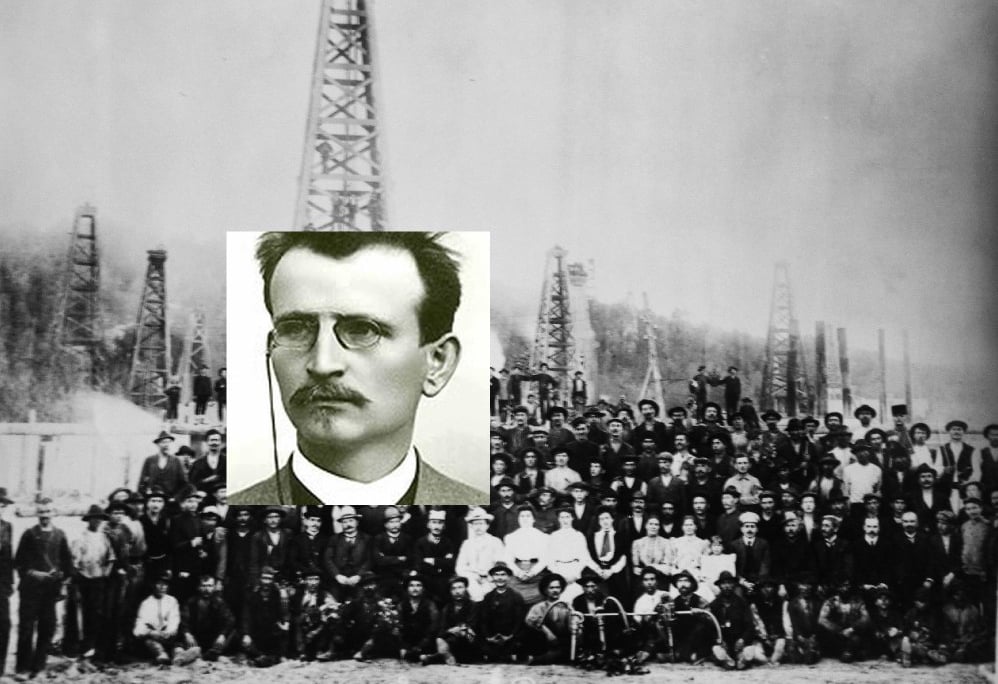
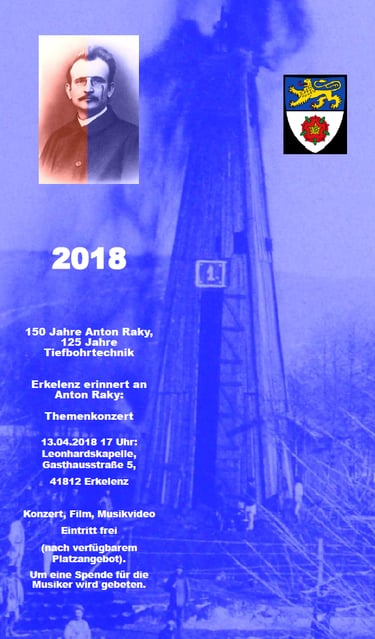
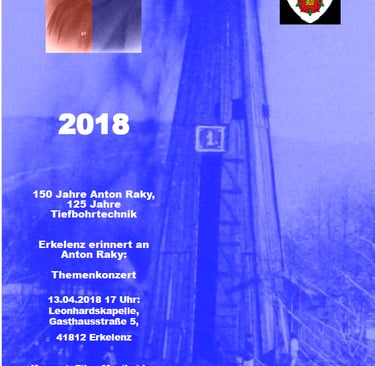
Anton Raky - Erfinderunternehmer, Rohstoffmagnat und Mäzen,
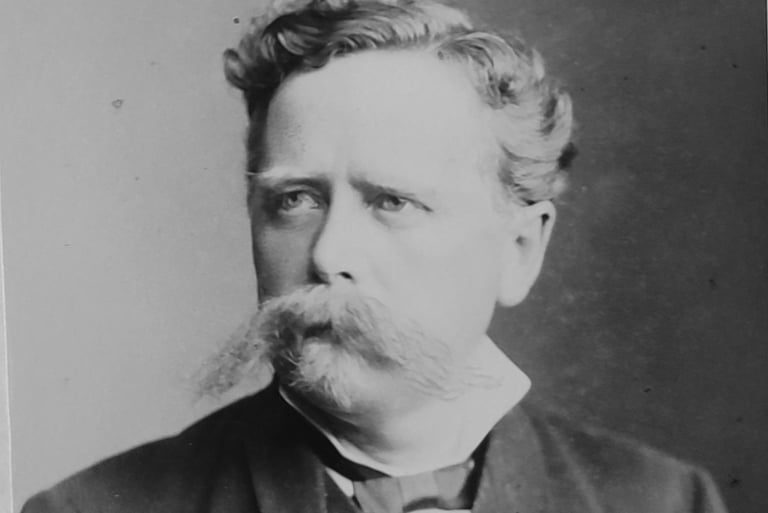
Carl Engler - Wissenschaftler und Manager
und Josef Abt - Bankier, Finanzberater, Start up Investor.
Auch wenn ihre Namen vergessen wurden, so wirken ihre Kreativität und ihr Fleiß weit über die Zeit.
"Oilage"
Anton Raky, an esteemed entrepreneur and inventor, is known for his innovative contributions that have significantly impacted various industries. Born with a natural curiosity and a passion for problem-solving, Raky embarked on his journey as a firm founder early in his career, combining his technical expertise with a keen business sense. Raky's ventures worldwide span several fields, from technology, engineering to environmentally sustainable practices and social aspects. His most notable accomplishments include the development of cutting-edge devices that enhance productivity and efficiency in the workplace, as well as groundbreaking patents that address contemporary environmental challenges. As a firm founder, Raky demonstrated remarkable leadership qualities, fostering a culture of creativity and collaboration within his teams. He believes that innovation flourishes in an inclusive environment where ideas can be freely exchanged and tested. Under his guidance, his companies not only achieved significant financial success but also gained a reputation for ethical practices and respect for the environment. Raky's dedication to innovation is further highlighted by his relentless pursuit of knowledge. He frequently attends international conferences, participates in workshops, and collaborates with other visionaries to stay at the forefront of technological advancement. His inventive spirit is matched only by his desire to mentor young entrepreneurs, guiding them in navigating the complexities of launching and managing a startup. Throughout his career, Anton Raky has received numerous awards and accolades, recognizing his achievements as a crucial player in the modern business landscape. His inventions have received acclaim for simplifying tasks, addressing user needs effectively, and setting industry standards. These accolades are a testament to his unwavering commitment to quality, functionality, and user experience. In addition to his professional endeavors, Raky is passionate about philanthropy, believing in giving back to the community that supported his success. He actively invests in educational programs and initiatives that promote entrepreneurship, particularly in underserved areas. This commitment to fostering innovation in others aligns perfectly with his vision of a future where creativity and sustainability coexist harmoniously. In summary, Anton Raky stands as a pillar of innovation and entrepreneurship. With a portfolio rich in inventions and a robust business acumen, he continues to inspire both established and aspiring entrepreneurs alike. His story is not just about individual success; it is about a broader vision for what the future can hold when determination, creativity, and ethical practices align.






Forschung, Wissenschaft, Technik
Ma vedi gia come dichina il giorno,
e andar su di notte non si puote;
pero e buon pensar di bel soggiorno.
Purgatorio 7, 43


Carl Engler: Scientist and Manager Carl Engler stands at the intersection of scientific innovation and effective management, blending his extensive knowledge in the natural sciences with a pragmatic approach to leadership. With a career that spans several decades, Engler has made significant contributions to both academia and industry, establishing himself as a thought leader in his field. Born with an insatiable curiosity and a passion for discovery, Engler pursued his education in the sciences, earning advanced degrees that laid the foundation for his future endeavors. His research has primarily focused on [specific field or area of expertise], where he has conducted pioneering studies that have advanced our understanding and application of key concepts. As a scientist, Engler is recognized for his ability to think critically and solve complex problems. His work has resulted in [mention notable achievements or publications], reflecting his commitment to advancing knowledge and finding practical solutions to real-world issues. Engler's research is characterized by meticulous methodology and a collaborative spirit, enabling him to work alongside a diverse range of professionals and institutions. Transitioning from a pure research focus to a leadership role, Engler embraced the challenge of managing teams and projects. His administrative roles within various organizations have showcased his capability to drive initiatives that bridge the gap between scientific research and operational success. Understanding that innovative ideas thrive in a supportive environment, Engler fosters a culture of collaboration, encouraging team members to share their insights and take ownership of their work. Engler’s management style is marked by transparency and communication. He believes that the key to effective leadership lies in empowering individuals while maintaining a clear vision for the organization. By establishing comprehensive frameworks for project management, Engler ensures that teams are not only aligned with the overall goals but also motivated to meet the challenges they encounter along the way. His efforts have not gone unrecognized; Engler has been awarded [mention any awards or honors], attesting to his dual impact as a scientist and a manager. Under his direction, various projects have yielded significant results, contributing to [mention any industries or fields affected by his work]. Engler’s strategic foresight has also positioned his teams at the forefront of technological advancements, ensuring that they remain competitive and relevant in an ever-evolving landscape. One of Engler's notable initiatives includes [describe a specific project or program he led], which effectively bridged theoretical research with practical applications. This initiative not only enhanced organizational capabilities but also promoted sustainable practices within the industry. Beyond his technical proficiency and management acumen, Engler remains committed to mentorship and education. He regularly engages with emerging scientists and managers, sharing his experiences and insights to help cultivate the next generation of leaders in the scientific community. His dedication to education extends to public outreach, where he passionately advocates for science literacy and the importance of research in societal development. In conclusion, Carl Engler exemplifies the ideal combination of scientific prowess and managerial expertise. His journey through academia and industry serves as an inspiring model for aspiring scientists and leaders alike. As he continues to navigate the complex landscape of science and management, Engler remains focused on his vision of fostering innovation and collaboration for the greater good.






Carl Engler, die BASF und die Technische Universität Karlsruhe - KIT
Carl Engler, Fritz Haber und die Ammoniaksynthese
Professor Dr. Carl Engler is a noteworthy figure in the field of chemical engineering, particularly renowned for his contributions to the development and optimization of ammonia synthesis processes. His pioneering research has had a profound impact on the industrial production methods used by chemical giants, most notably BASF, which played a crucial role in the synthesis of ammonia—a vital component for fertilizers and various chemicals. Ammonia synthesis, fundamentally driven by the Haber-Bosch process, represents one of the most significant industrial advancements of the 20th century. The process, which combines nitrogen from the air with hydrogen sourced primarily from natural gas, demonstrates the delicate balance between thermodynamic principles and kinetic factors. Engler's role at BASF involved not just understanding these principles, but also innovating ways to enhance efficiency, reduce energy consumption, and increase yield in ammonia production. During the early 20th century, ammonia was a limited resource, heavily impacting agricultural production and food security. The collaboration between chemists and engineers, highlighted by Engler's expertise, enabled the scaling of ammonia synthesis, allowing for its mass production and widespread availability. BASF's advancements in catalytic technology and reactor design, under the guidance of experts like Engler, enabled the pivotal transition from laboratory-scale experiments to full industrial applications. Engler's approach emphasized the importance of research and development, focusing on catalyst formulation—an area critical to the efficiency of the reaction. By exploring various catalyst materials and their compositions, he contributed to significant breakthroughs that lowered the activation energy required for the synthesis, thus enhancing the overall process economics. His work helped position BASF as a leader in the chemical industry, directly influencing global agricultural practices and supporting the population boom of the 20th century. Moreover, Engler's forward-thinking philosophy extended beyond mere production efficiency. He advocated for sustainable practices within chemical manufacturing, emphasizing the need to minimize environmental impact while optimizing resource use. This foresight is particularly relevant today as the global community faces increasing pressure to transition towards sustainable industrial practices amid climate change challenges. In summary, Professor Dr. Carl Engler's contributions to ammonia synthesis within BASF exemplify the intersection of chemistry, engineering, and environmental responsibility. His legacy continues to influence modern practices in chemical engineering, reminding us of the importance of innovation in addressing both industrial needs and societal challenges.

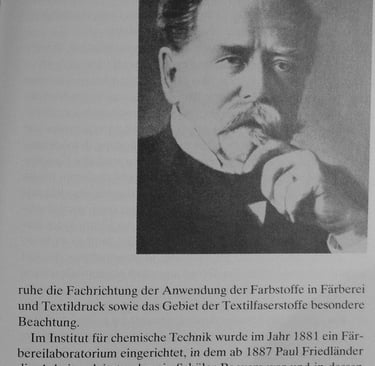


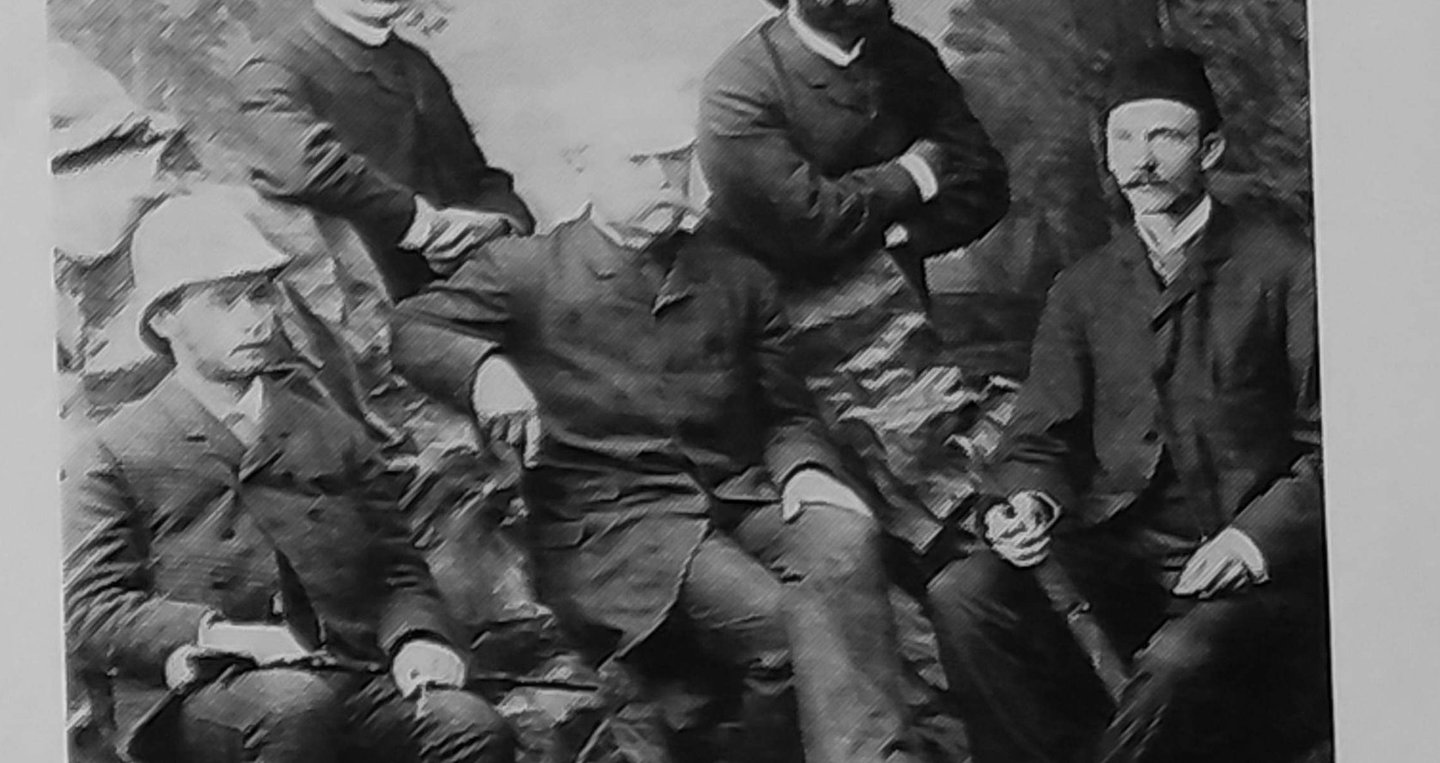
Carl Engler und Carl, J. Ringwald - Die Kaukasus Expedition
In the summer of 1886, two esteemed figures, Professor Dr. Carl Engler and Carl J. Ringwald, embarked on a groundbreaking expedition to the Caucasus region, specifically focusing their efforts on Baku, the capital of Azerbaijan. This journey was not merely a travel endeavor but an exploration into the rich cultural and geological tapestry of the area. Both men, well-versed in their respective fields of geology and ethnography, aimed to uncover the secrets that this ancient landscape held. Baku, situated along the Caspian Sea, offered a unique intersection of natural beauty and vibrant history, enveloped in the tales of ancient oil barons and cultural exchanges shaped by centuries of trade and migration. As the duo stepped off the train at the bustling Baku Railway Station, they were greeted by a city alive with the sounds of merchants and the vibrant colors of the local bazaar. Professor Engler, with his extensive background in geology, was particularly fascinated by the complex geological formations around Baku, well-known for its rich oil reserves and unique mud volcanoes. He planned to conduct field studies that would enhance the scientific communities’ understanding of the region’s geology, including the prevalence of oil seeps that had attracted speculation and investment for decades. Engler’s goal was not only to analyze the physical characteristics of these formations but also to document their implications for the local economy and environment. Meanwhile, Ringwald, a skilled ethnographer, was driven to understand the people who inhabited this diverse region. He aimed to document the daily lives, traditions, and cultural practices of the Azerbaijani people, focusing on how the burgeoning oil industry was influencing their social structures and cultural identities. A keen observer, Ringwald quickly immersed himself in the community, attending local events and engaging in conversations that would shed light on the intricate relationship between the land’s resources and its people. As they delved into their respective studies, Engler and Ringwald found common ground in their research, realizing that the geological and cultural elements were deeply interwoven. The findings of each expedition member complemented the other, painting a holistic picture of Baku’s significance. They collaborated on documenting how the booming oil industry was not only reshaping the physical landscape but also impacting traditional ways of life, prompting migration, and altering local economies. Their exploration took them through the narrow winding streets of the Old City, known as Ichari Shahar, where ancient architecture stood in stark contrast to modern structures. Engler was particularly drawn to the medieval Maiden Tower, its stones weathered by time, serving as a sentinel watching over the changes flowing through the city, while Ringwald captured the essence of merchants who had navigated these streets for generations. Encountering the warmth of the Azerbaijani spirit, the professors found themselves warmly welcomed into homes. In these intimate settings, they experienced traditional meals and learned about local customs, which Ringwald fervently documented. Engler, too, took notes on the traditional materials and building techniques, recognizing the significance of local resources in shaping architecture. Their findings culminated in various discussions with local scholars and officials, where they shared ideas about sustainable development. The oil boom presented opportunities but also challenges, such as environmental concerns and cultural displacement. Engler’s geological insights provided a framework for understanding the environmental impacts of drilling and extraction, while Ringwald’s focus on social structure highlighted the importance of preserving cultural identity amid rapid modernization. As the expedition drew to a close, the collaboration between Engler and Ringwald resulted in a comprehensive report that not only detailed their individual findings but also combined their insights into an understanding of how geology and humanity interrelate. Each paper contributed to a deeper appreciation of Baku as a nexus of natural wealth and cultural richness. The expedition solidified their reputations as thought leaders in their respective fields and sparked interest among scholars internationally in the delicate balance between progress and preservation. Their work would influence future studies on the region, emphasizing the significance of considering both geological and cultural factors in understanding communities shaped by natural resources. In reflection, the journey of Professor Dr. Carl Engler and Carl J. Ringwald through Baku became a pivotal chapter in their careers, resulting in not only scientific advancements but a mutual respect developed for each other's work. Their expedition remains a testament to the interconnectedness of people and their environment, a lesson still relevant in today’s discourse on sustainability and cultural preservation.





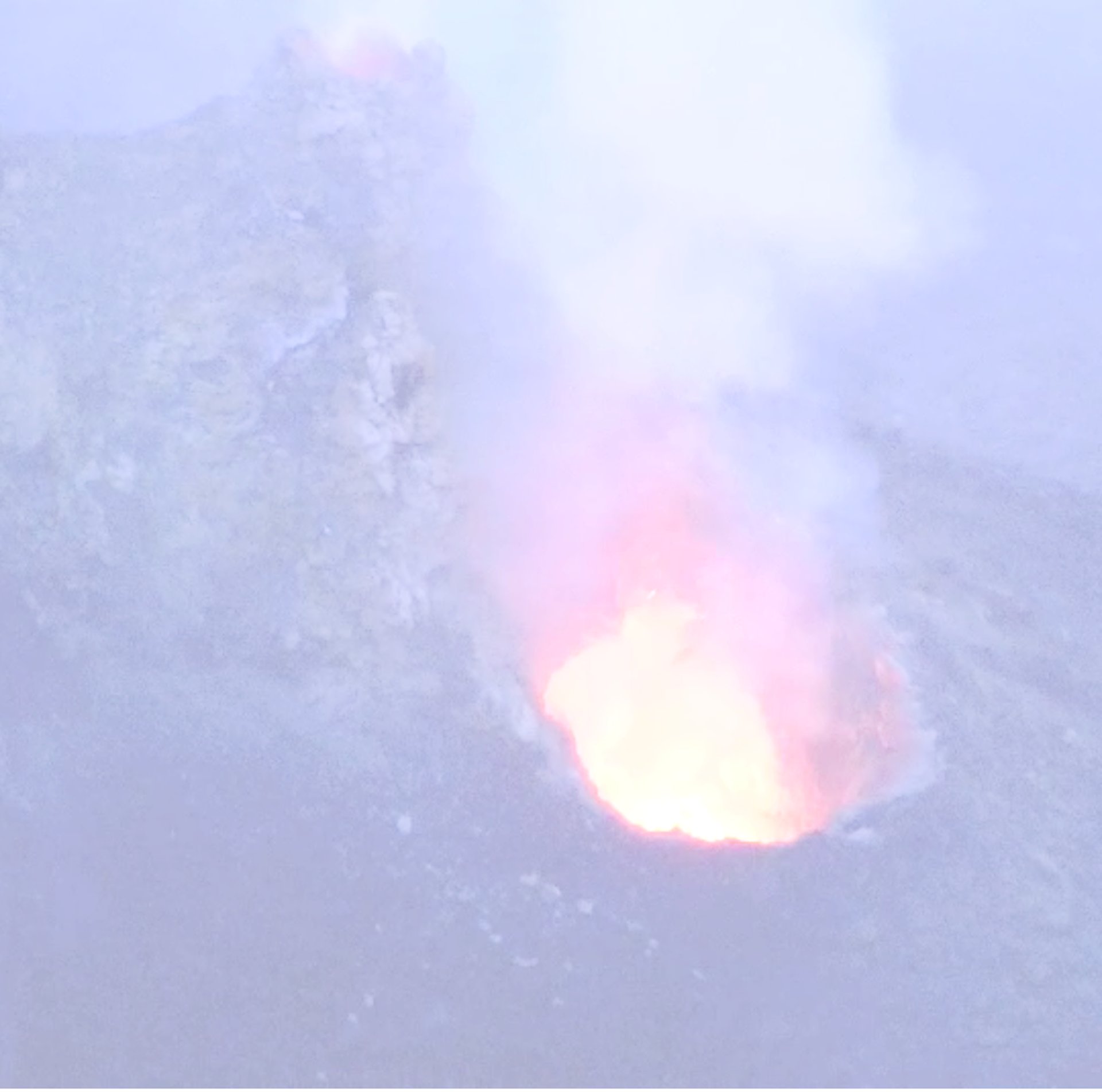
Deep drilling and volcano taming are two fascinating yet intricate subjects that reflect humanity's relentless pursuit of knowledge and control over nature. Both are grounded in the realm of geology and energy resources but tackle vastly different challenges. This article explores the methods, implications, and innovations surrounding deep drilling and the concept of volcano taming, shedding light on potential advancements in earth science and engineering.
Deep Drilling: Unveiling the Earth’s Secrets Deep drilling, often associated with oil and gas extraction, geothermal energy production, and scientific research, involves creating boreholes in the Earth’s crust to explore its depths. However, the practice transcends mere resource extraction; it's a powerful tool for scientific inquiry.
Techniques and Technologies Modern deep drilling employs a variety of advanced technologies, such as rotary drilling, mud logging, and digital monitoring systems. Rotary drilling, the most common method, involves using a rotating drill bit to break rock and create a borehole. The process is supported by drilling mud, which cools the bit, removes debris, and maintains pressure within the borehole. Meanwhile, mud logging provides real-time data on geological formations, enabling geologists to understand the Earth's composition better.
Scientific Endeavors Beyond hydrocarbon extraction, deep drilling projects such as the International Continental Scientific Drilling Program (ICDP) aim to explore the Earth's crust for scientific research. For instance, the Kola Superdeep Borehole, drilled in Russia, reached a depth of approximately 12 kilometers, revealing crucial data about the Earth's temperatures, geological formations, and the presence of ancient microorganisms. Such research not only sheds light on our planet's history but also informs us about potential resources and natural hazards.
Environmental Concerns Despite its benefits, deep drilling can pose significant environmental risks. Issues such as groundwater contamination, induced seismicity, and habitat disruption are major concerns. Geoengineering solutions and stringent regulations are increasingly necessary to ensure that deep drilling practices are sustainable and minimize ecological footprints. Balancing scientific and economic benefits while safeguarding natural ecosystems remains a paramount concern for future developments in this field.
Volcano Taming: Harnessing Nature’s Fury Volcano taming, while not yet a fully realized scientific endeavor, represents humanity's ambitions to mitigate and harness the power of volcanic activity. This concept, often viewed through speculative fiction lenses, encompasses a range of theoretical approaches to prevent volcanic eruptions and utilize geothermal energy more effectively.
Understanding Volcanic Activity The first step towards "taming" a volcano is a thorough understanding of volcanic dynamics. This involves monitoring seismic activity, gas emissions, and thermal anomalies to predict eruptions and assess risks. Using tools like remote sensing, GPS, and drones, volcanologists study these indicators to devise comprehensive monitoring systems. Advanced computer modeling also plays a crucial role in simulating eruption scenarios, enabling researchers to forecast potential impacts on surrounding communities and infrastructure.
Potential Taming Techniques Several theoretical approaches to volcano taming have been proposed:
1. Cooling Magma Chambers: One concept involves injecting water into magma chambers to induce cooling. This could theoretically stabilize the magma and reduce the likelihood of an explosive eruption. However, feasibility studies are critical, given the risk of triggering unexpected seismic activity.
2. Controlled Eruption: Some researchers suggest that it may be possible to induce small, controlled eruptions, thereby relieving pressure and preventing larger, more destructive events. This method, reminiscent of controlled blasts in mining, requires precision and thorough risk assessment.
3. Geothermal Energy Utilization: Volcanoes present a significant opportunity for renewable energy production through geothermal systems. Taming a volcano to enhance geothermal energy extraction could reduce reliance on fossil fuels while providing a sustainable energy source. Harnessing steam and hot water from volcanic areas can power turbines, supplying electricity to nearby communities.
Ethical and Social Considerations The idea of taming a volcano raises numerous ethical and social questions. The potential risks of intervening with nature must be carefully weighed against the benefits of preventing disasters and harnessing energy. Communities living in volcanic regions must be actively involved in discussions surrounding these technologies, ensuring their rights and perspectives are central in any decision-making process.

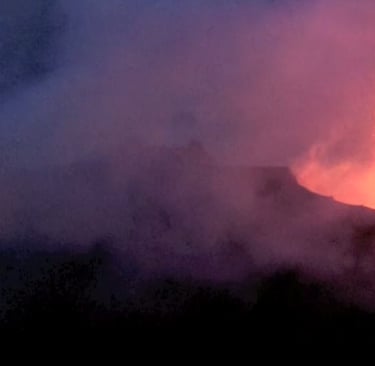
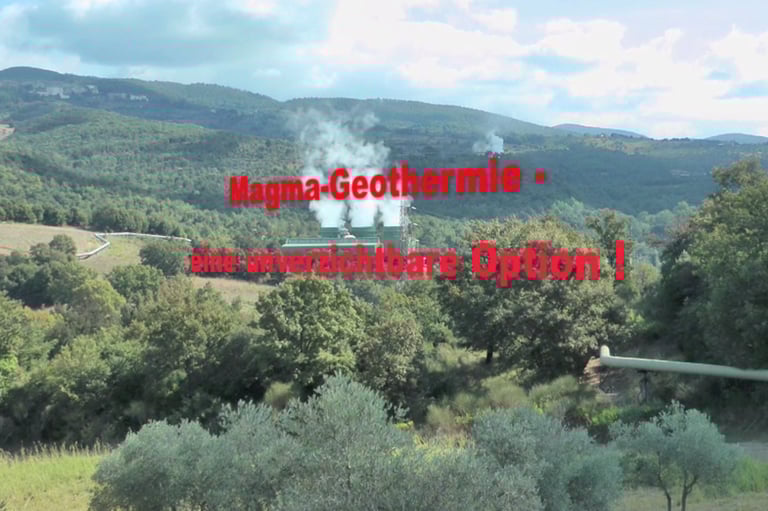
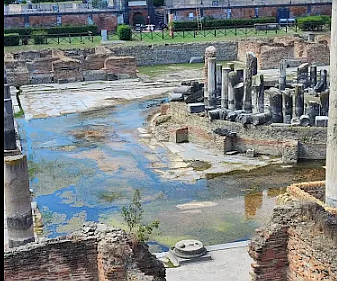
Campi Flegrei
Supervolcano - Risks for the Zivilisation
Deep Drilling,
Geothermy,
Volcano Taming
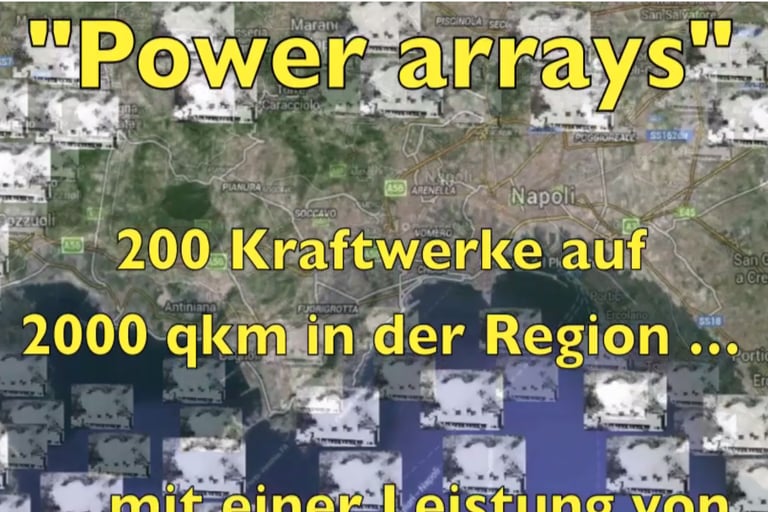
The Phlegraean Fields, or Campi Flegrei, is an expansive volcanic area located near Naples, Italy, steeped in both natural phenomena and historical significance. It is classified as a supervolcano, a term used to describe large volcanic systems capable of producing extraordinarily large and catastrophic eruptions. With its last major eruption occurring approximately 39,000 years ago, the Campi Flegrei is a constant reminder of the volatile forces lying beneath the Earth's crust, posing potential risks to civilization. The supervolcano encompasses a caldera—a large depression formed by the collapse of land following a volcanic eruption—that spans about 12 kilometers in diameter. This landscape features a variety of geothermal activities, including fumaroles (openings in the Earth that emit steam and gases), hot springs, and bubbling mud pools, illustrating the ongoing volcanic activity in the region. Moreover, the Campi Flegrei is home to numerous small volcanic craters and lava flows, further signaling the dynamic nature of this geological hotspot. One of the most alarming aspects of the Campi Flegrei supervolcano is its reawakening observed in recent years. Since the 1950s, researchers have noted signs of unrest, including ground uplift, changes in gas emissions, and seismic activity. These indicators have sparked debates among scientists about the potential for future eruptions, raising concerns over the safety of surrounding populations. The densely populated cities of Naples, Pozzuoli, and others are within close proximity, heightening the stakes should a significant eruption occur. Another prominent volcano in the vicinity is Mount Vesuvius, famed for its catastrophic eruption in A.D. 79 that led to the burial of the Roman cities of Pompeii and Herculaneum. Today, Vesuvius is one of the most closely monitored volcanoes in the world due to its activity and the high risk it poses to local communities. The threats from Vesuvius and Campi Flegrei are intertwined, as both volcanoes can impact the same regional infrastructure and population centers, creating an overarching risk for civilizations in the area. Additionally, the nearby island of Ischia, known for its thermal springs and beautiful landscapes, also bears geological risks. Ischia is primarily a volcanic island with multiple eruptions recorded throughout history, the most significant occurring in 1302. While Ischia's volcanic activity is currently much lower compared to that of Vesuvius or Campi Flegrei, the potential for landslides and other secondary hazards exists, particularly in the context of heavy rainfall or seismic activity. The culmination of these risks presents a worrying picture for local inhabitants. Casualties from volcanic eruptions are not only limited to immediate fatalities but extend to long-term consequences that can deteriorate the fabric of society—including displacements, economic downturns, and psychological impacts on affected populations. Preparedness and disaster response plans are critical in these regions to mitigate risks and ensure the safety and resilience of communities. Residents living in the shadows of these formidable geological giants must prioritize preparedness measures. This includes developing robust evacuation plans, establishing emergency communication systems, and reinforcing infrastructure to withstand potential volcanic activity. Public education campaigns can enhance awareness of the signs of impending eruptions and inform individuals about the steps to take in the event of an emergency. In conclusion, the Campi Flegrei supervolcano, Mount Vesuvius, and the nearby volcanic island of Ischia collectively represent a complex and multifaceted risk landscape for civilization. While the stunning beauty of these areas draws visitors from around the globe, it is essential to recognize and understand the underlying geological threats. Continuous monitoring, research advancements, and effective emergency preparedness strategies are vital to safeguard the lives and properties of those living in this historically rich yet geologically active region.

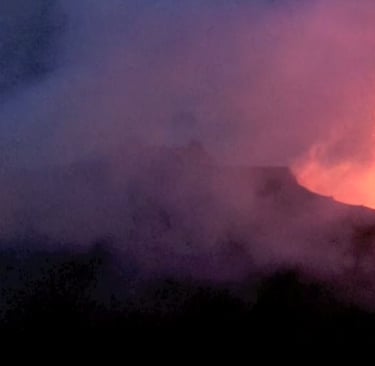
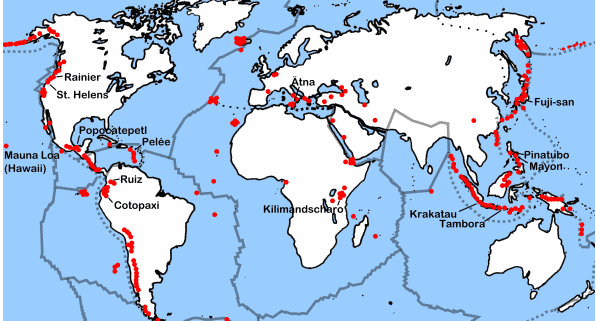
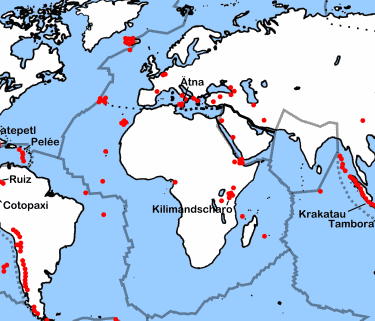
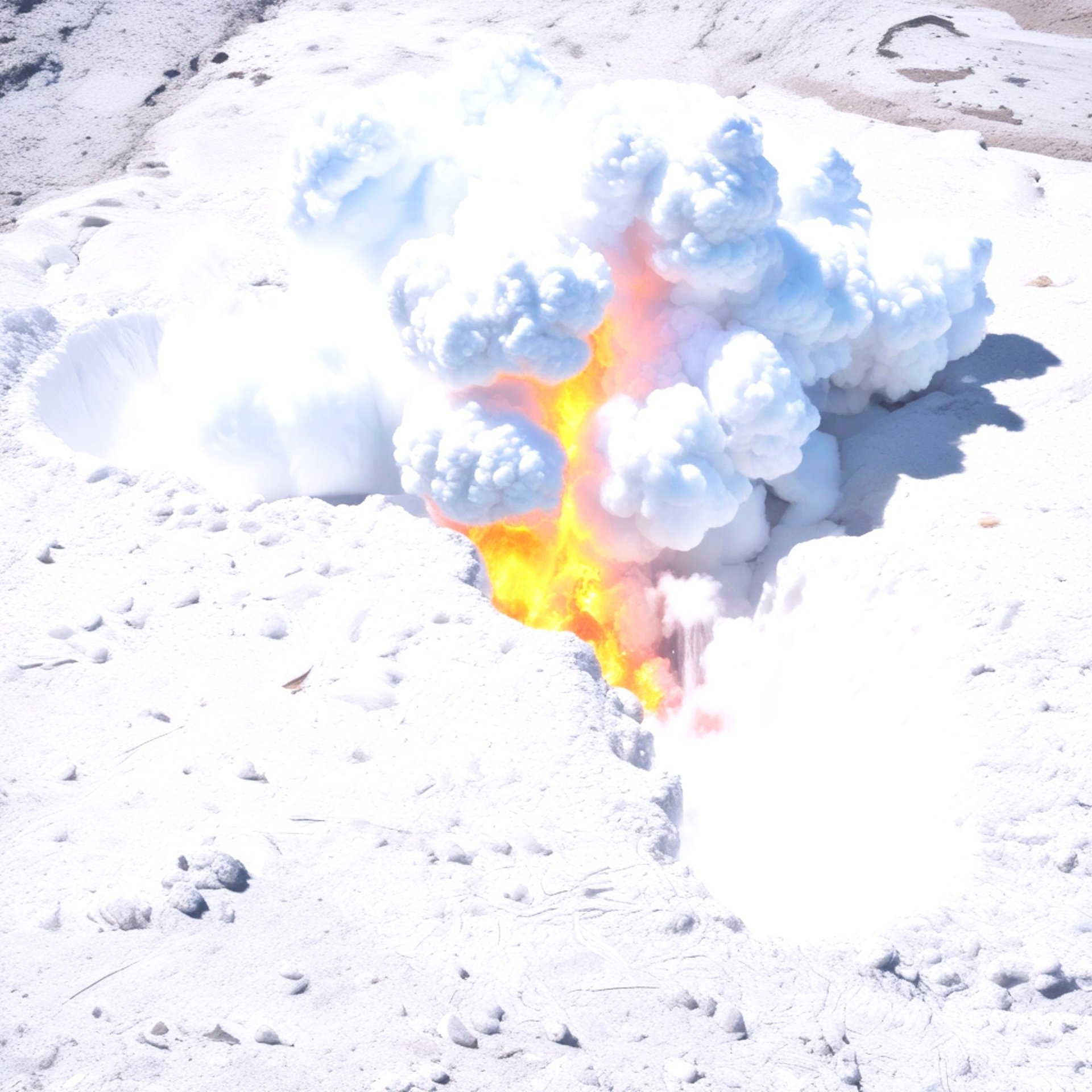
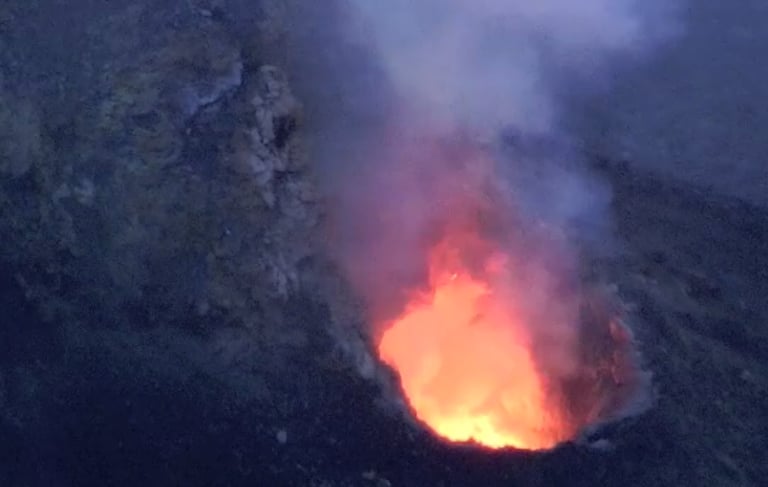
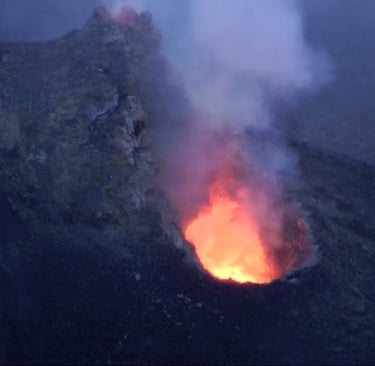
Der Supervulkan Campi Flegrei ist Teil einer gewaltigen Vulkankette westlich Italien, die vom Etna über die Liparischen Inseln, dem Unterwasservulkan Marsili, dem Vesuv bis zum Monta Amiata in der Toskana reichen könnte. Diese Vulkane eruptieren in regelmäßigen Abständen von ca. 15 Minuten am Stromboli über Jahre bis Jahrhunderte und Jahrtausende, mit unterschiedlicher Kraft.
Das Studium von Magmen und Lava und die Geothermie der Vulkane ist Teil umfangreicher Forschungsprojekte.




Stromboli Feuergürtel der Erde
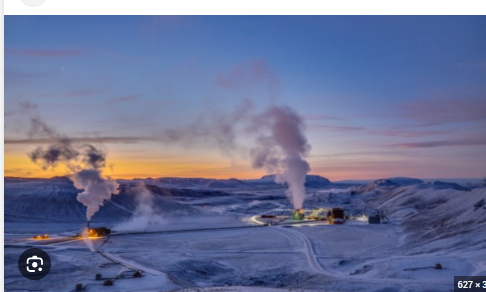
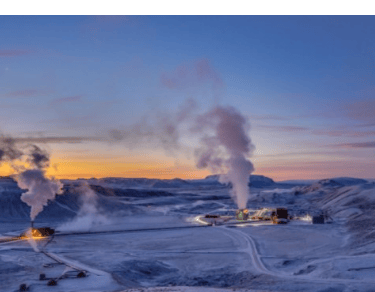
Krafla Geothermy
Das Krafla-Testfeld in Island ist ein einzigartiges Forschungsvorhaben, das sich der Untersuchung und direkten Nutzung geothermischer Energie aus Magmakammern widmet. Es stellt nicht nur ein bedeutendes Kraftwerk dar, sondern auch eine innovative Plattform für wissenschaftliche Studien und technologische Entwicklungen im Bereich der Geothermie. Die herausragenden geologischen Bedingungen Islands, insbesondere seine vulkanische Aktivität, bieten ideale Voraussetzungen für die Erforschung der effizientesten Methoden zur Gewinnung und Nutzung geothermischer Energie. In den letzten Jahren hat das Krafla-Testfeld bedeutende Fortschritte erzielt, dabei aber auch Herausforderungen aufgezeigt, die mit der fördertechnischen Erschliessung und der nachhaltigen Nutzung geothermischer Ressourcen verbunden sind. Dazu gehören unter anderem die technische Machbarkeit, ökologische Auswirkungen, wirtschaftliche Rentabilität und die langfristige Stabilität der Energieerzeugung. Im Jahr 2024 fand in München ein internationales Symposium statt, das sich intensiv mit den neuesten Ergebnissen und Entwicklungen im Bereich der geothermischen Energiegewinnung, insbesondere im Zusammenhang mit dem Krafla-Testfeld, beschäftigte. An dieser hochkarätigen Veranstaltung nahmen Fachleute, Wissenschaftler und Praktiker aus der Geothermie-Community teil, die ihre Erkenntnisse, Erfahrungen und Visionen austauschten. Ein zentrales Thema des Symposiums waren die technischen Fortschritte, die am Krafla-Testfeld erzielt wurden. So konnten während der letzten Forschungszyklen verschiedene innovative Ansätze zur direkten Nutzung der geothermischen Wärme aus der Tiefe demonstriert werden. Besonders hervorzuheben sind die Entwicklungen in der Bohrtechnik, die es ermöglichen, tiefere Magmakammern effizienter zu erreichen und anzuzapfen. Diese Fortschritte sind von entscheidender Bedeutung, um die Wärmeenergie nennenswert auszuschöpfen und die Effizienz bestehender geothermischer Kraftwerke zu steigern. Neben technischen Aspekten wurden auch die ökologischen und sozialen Implikationen der Geothermienutzung diskutiert. Das Symposium bot eine Plattform für den Austausch über nachhaltige Praktiken und die Rolle der Geothermie in der globalen Energiewende. Vorträge über die Minimierung der Umweltauswirkungen von Bohraktivitäten und der Bedeutung der Einbeziehung lokaler Gemeinschaften in die Entscheidungsprozesse zur Energieerzeugung standen im Fokus. Die Teilnehmer waren sich einig, dass eine verantwortungsvolle, transparente Kommunikation und Kooperation entscheidend für den langfristigen Erfolg geothermischer Projekte ist. Ein weiterer spannender Aspekt des Symposiums war die Vorstellung neuester Forschungsergebnisse bezüglich der optimalen Nutzung von Hochenthalpie-Systemen, die bei Krafla erforscht werden. Hierbei wird untersucht, wie die Wärme aus Magmakammern nicht nur zur Stromerzeugung, sondern auch zur direkten Heizversorgung, etwa in industriellen Prozessen oder im Gebäudesektor, genutzt werden kann. Diese vielseitige Anwendbarkeit könnte die geothermische Energie zu einem integralen Teil der zukünftigen Energieinfrastruktur machen.
Zusammenfassend lässt sich sagen, dass das Krafla-Testfeld nicht nur ein funktionierendes Kraftwerk ist, sondern auch ein innovatives Labor, in dem die Zukunft der geothermischen Energiegewinnung erforscht wird. Die Ergebnisse des Symposiums in München haben die Bedeutung dieser Forschung unterstrichen und den Austausch von Ideen und Technologien gefördert, um die Herausforderungen der Energiegewinnung aus geothermischen Quellen zu meistern. Die Weiterentwicklung dieser Technologien und das Engagement für nachhaltige Praktiken könnten entscheidend sein für die nächsten Schritte in der weltweiten Nutzung von geothermischen Ressourcen.
Die Ergebnisse aus dem Krafla-Testfeld werden, nicht zuletzt aufgrund der dort gewonnenen Erkenntnisse, zweifellos einen zentralen Platz in der zukünftigen Energiestrategie einnehmen.
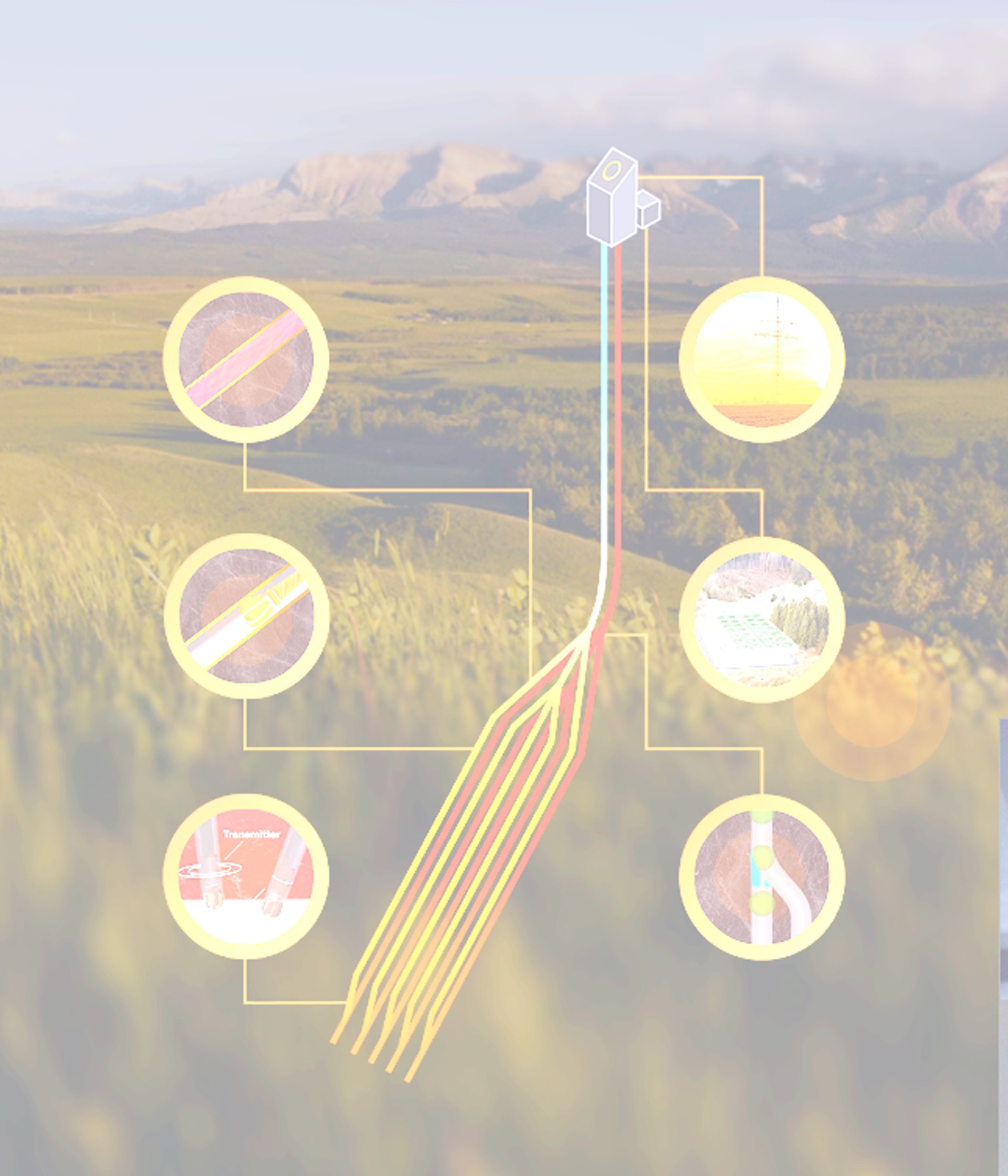
Eavor-Loop Technolgy
Eavor a Calgary geothermy Star represents with its Loop technology a groundbreaking advancement in the ...
field of geothermal energy generation,
marking a significant milestone in energy innovation. For the first time globally, this pioneering system is set to transform how we harness the Earth's natural heat, paving the way for a more sustainable and efficient energy future. At its core, Eavor Loop technology utilizes a closed-loop geothermal system, which distinguishes it from traditional geothermal methods that rely on steam-driven turbines. Instead, Eavor Loop circulates a proprietary fluid through a network of underground pipes, tapping into geothermal reservoirs without the need for large-scale drilling or the environmental impacts often associated with conventional geothermal projects. This innovative approach allows for greater flexibility and accessibility, especially in regions where traditional geothermal sources may be limited or impractical. The significance of Eavor Loop’s technology lies not only in its efficiency but also in its ability to provide a consistent and reliable power supply. Unlike wind or solar energy, which are subject to variability based on weather conditions, geothermal energy boasts the advantage of being a constant energy source. This factor makes Eavor Loop an attractive alternative to fossil fuels, providing a clean, renewable energy option that can help reduce greenhouse gas emissions and combat climate change. Moreover, the implementation of Eavor Loop technology is designed to be scalable, meaning that it can be deployed in a variety of settings - from small-scale residential installations to large-scale power plants. This versatility enhances the potential for widespread adoption, enabling communities and industries to tap into their localized geothermal resources. As energy demands continue to rise, solutions like Eavor Loop can play a critical role in the transition toward a more sustainable energy ecosystem. In conjunction with its environmental benefits, Eavor Loop technology also promises significant economic advantages. The system requires fewer resources to deploy than traditional geothermal plants and is less reliant on specific geological conditions. This not only reduces initial investment costs but also opens up new markets for geothermal energy development in less accessible areas. Eavor Technologies, the company behind this innovation, is committed to furthering geothermal research and development, expanding the frameworks necessary for widespread adoption of this technology. Their team of experts is dedicated to overcoming historical barriers related to geothermal exploration and production, fostering partnerships with stakeholders, and promoting policies that will accelerate the integration of geothermal energy into global energy portfolios. The industry is starting to take note of this revolutionary technology. Several pilot projects are already in development around the world, demonstrating the feasibility and effectiveness of Eavor Loop systems. As these projects advance, they will undoubtedly serve as examples for future implementations of this technology, showcasing the potential for Eavor Loop to become a staple of the renewable energy landscape. In conclusion, Eavor Loop technology signifies a new chapter in geothermal energy generation. By harnessing the Earth's heat in a closed-loop system, it offers a viable, efficient, and sustainable energy solution that can meet the growing needs of society while addressing the pressing challenges posed by climate change. As we continue to look for innovative ways to power our world, Eavor Loop stands as a beacon of hope, illustrating the possibilities that lie within our planet’s natural resources.
Methan -
Hoffnung oder Problem


"Methane Age" Opportunities and Risks
Methane: Age, Opportunities, and Risks Methane, a potent greenhouse gas, plays a crucial role in both the climate and energy sectors. As we delve into its age, opportunities, and risks, we uncover a multifaceted narrative that intertwines environmental and economic dimensions.
Methane (CH4) is a simple chemical compound produced through various natural processes and human activities. It is an integral component of the planet's atmosphere, with both short-term and long-term implications for climate change. The age of methane refers to its molecular lifespan and the various sources of its emissions. On average, methane has a lifespan of about a decade in the atmosphere, which is considerably shorter than carbon dioxide (CO2), which can remain for centuries. This ephemeral nature implies that reducing methane emissions can have a quicker impact on curbing climate change by more rapidly lowering atmospheric concentrations.
Opportunities
1. Energy Transition Methane, primarily derived from natural gas, is often viewed as a bridging fuel in the transition to renewable energy. It emits less CO2 than coal and oil when burned, making it an attractive option for energy generation. As countries work towards net-zero emissions, utilizing methane can help to immediately reduce emissions while longer-term renewable sources are developed.
2. Methane Recovery and Utilization Innovative technologies for capturing and utilizing methane from agricultural and waste sources—such as anaerobic digesters—create new revenue streams. These technologies transform waste into energy, reducing landfill emissions while providing a sustainable energy source. This practice not only decreases methane emissions but also supports circular economic initiatives.
3. Hydrogen Production Methane can be transformed into hydrogen through a process called steam methane reforming, which holds promise for the development of a hydrogen economy. Hydrogen is seen as a clean energy carrier, and using methane as a feedstock may facilitate a smoother transition to hydrogen utilization.
4. Carbon Capture and Storage (CCS) New approaches combining methane production with carbon capture technologies can help industries minimize their emissions. The captured CO2 can be stored underground or utilized in various industrial processes, thereby reducing the overall environmental impact.
5. Regulatory Incentives As awareness of methane’s effects grows, many governments are beginning to implement stricter regulations around methane emissions. This creates opportunities for industries to innovate and develop compliant technologies, potentially fostering new markets for methane reduction solutions.
Risks 1. Environmental Impact Despite its potential benefits, methane is a significant greenhouse gas, with a global warming potential over 25 times that of CO2 over a 100-year period. Significant methane leaks from fossil fuel extraction and distribution systems risk negating the advantages of using methane as a cleaner alternative to coal or oil.
2. Infrastructure Challenges Aging infrastructure for natural gas extraction and transportation is a substantial risk factor. Methane leaks often occur in pipelines and during storage, leading to substantial emissions that must be addressed through investment in modernization and maintenance of gas infrastructure.
3. Market Volatility The global energy market is subject to fluctuations due to geopolitical tensions, supply chain disruptions, and regulatory changes. As such, reliance on methane and its derived products can expose investors and industries to significant financial risks, particularly in the transition towards cleaner energy sources.
4. Public Perception Growing public awareness of climate change and fossil fuel impacts results in increasing scrutiny of methane as an energy source. Companies that do not adequately address their methane emissions may face public backlash, consumer boycotts, and finance from divestment movements, potentially damaging their reputations and bottom lines.
5. Policy Uncertainty The regulatory landscape surrounding methane is evolving, with a mix of opportunities and uncertainties. Conflicting policies can lead to unpredictable market conditions, complicating long-term investment decisions and technology development in the methane space.
Conclusion Methane represents a significant opportunity in the energy transition narrative, offering pathways that can rapidly reduce greenhouse gas emissions while supporting economic development. However, it also presents considerable risks that require careful management. From infrastructure challenges to changing public perception, navigating the complex interplay of opportunities and risks associated with methane will be crucial in determining its role in addressing climate change. Policies supporting innovation and emission reduction, alongside increased awareness and accountability, would be necessary to harness the potential of methane while mitigating its risks.

Power to Gas,
Methan und grüner Wasserstoff, Dampfreformierung versus Pyrolyse
In the ongoing quest for sustainable energy solutions, the concepts of power-to-gas, methane production, and green hydrogen are becoming increasingly significant. As the world transitions away from fossil fuels, alternative methods of energy generation and storage are crucial. This text explores the power-to-gas technology, specifically focusing on methane and green hydrogen production, and compares two prominent methods of methane generation: steam reforming and pyrolysis. ## Power-to-Gas Technology Power-to-gas (PtG) technology is an innovative approach that allows surplus renewable energy—often generated by sources such as wind and solar power—to be converted into storable gas. This process addresses a critical challenge faced by the renewable energy sector: the intermittent nature of energy generation. By converting excess electricity into hydrogen or methane, power-to-gas creates a way to store this energy and use it when demand exceeds supply.
How Power-to-Gas Works The power-to-gas process involves two primary steps:
Electrolysis: Renewable electricity is used to split water (H2O) into hydrogen (H2) and oxygen (O2) through a process called electrolysis. The hydrogen produced can be further utilized for various applications, including fuel cells or chemical synthesis. Methanation: The hydrogen produced can be combined with carbon dioxide (CO2) in a methanation process to create methane (CH4). This transformation mimics natural gas production and allows for the generation of synthetic methane, making it compatible with existing gas infrastructure. ## Green Hydrogen Green hydrogen refers to hydrogen produced using renewable energy sources without emitting greenhouse gases. This form of hydrogen is crucial for decarbonizing various sectors, including transportation, heavy industry, and heating. As a clean fuel, green hydrogen can significantly reduce reliance on fossil fuels, contributing to overall climate goals. Green hydrogen can be directly used in fuel cells or converted into other fuels and chemicals. By pairing renewable energy with electrolysis, green hydrogen emerges as a versatile and sustainable energy carrier.
Methane Production: Steam Reforming vs. Pyrolysis Two predominant methods for generating methane are steam reforming and pyrolysis. Each method has its own advantages and limitations, impacting its role in the broader energy landscape.
Steam Reforming Steam reforming is the most common method for producing hydrogen and methane from hydrocarbons, typically natural gas. In this process, methane reacts with steam (H2O) at high temperatures (700-1,000°C) in the presence of a catalyst to produce hydrogen and carbon monoxide (CO). The reaction is as follows: CH4 + H2O → CO + 3H2 In a subsequent reaction, known as the water-gas shift reaction, carbon monoxide can further react with water to produce more hydrogen and carbon dioxide: CO + H2O → CO2 + H2 While steam reforming is efficient and widely used, it generates significant CO2 emissions, which contradicts the goals of a sustainable energy future. However, one potential mitigation strategy involves capturing and storing the CO2 produced, known as carbon capture and storage (CCS).
Pyrolysis In contrast, pyrolysis is a thermochemical decomposition of organic materials in the absence of oxygen, producing solid, liquid, and gaseous products, including hydrogen, methane, and carbon. The process operates at varying temperatures (typically between 400-800°C) and results in a cleaner product compared to traditional methods. Pyrolysis has several benefits: -
Reduced Emissions: Because it does not require oxygen, pyrolysis avoids combustion-related CO2 emissions. Furthermore, the solid carbon output can potentially be utilized in various applications, such as soil enhancement or industrial materials. -
Feedstock Flexibility: Pyrolysis can use a wide range of feedstocks, including biomass and waste materials, contributing to a circular economy. -
Energy Storage: The gaseous products from pyrolysis can be further processed into high-value fuels or chemicals and serve as an energy storage solution. Comparing the Two Methods When considering steam reforming and pyrolysis, several factors come into play: environmental impact, efficiency, and economic feasibility. -
Environmental Impact: Pyrolysis offers a substantial advantage over steam reforming due to its lower emissions and potential to utilize renewable feedstocks. Steam reforming, while efficient, carries a carbon footprint due to the emissions of CO2 and the reliance on fossil fuels. E
Efficiency: Steam reforming is a well-established technology with high conversion efficiency, especially for natural gas. However, advancements in pyrolysis technologies are continuously improving conversion efficiencies and product yields. -
Economic Feasibility: The choice between these methods often hinges on local feedstock availability and economic considerations. Regions with abundant natural gas may find steam reforming more economical. In contrast, areas with significant agricultural or organic waste resources could benefit from investing in pyrolysis technologies.
Conclusion Power to gas represents a promising pathway for integrating renewable energy into the current energy system, particularly through the production of green hydrogen and methane. While steam reforming remains a dominant method for methane production, pyrolysis presents a more sustainable alternative with minimal environmental impact. Future developments in technologies and policies will be crucial in determining how these methods can jointly contribute to a cleaner, more sustainable energy landscape.
Chances of Methan Pyrolysis -
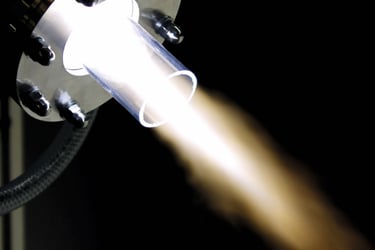
Microwaves versus Solare Heat pipes versus Tin bath
Methane pyrolysis, a promising method for hydrogen production with minimal carbon emissions, can be approached through various technologies. Among them, microwave-assisted pyrolysis, solar heat pipes, and tin bath methods each present unique advantages and challenges. This text will explore the comparative prospects of these three techniques in the context of methane pyrolysis.
1. Microwave-Assisted Methane Pyrolysis Microwave-assisted pyrolysis utilizes electromagnetic radiation to heat methane in a controlled manner. This technology allows for the effective and uniform heating of the methane molecules, leading to enhanced cracking efficiency. Advantages: -
Efficiency and Speed: The microwave process can achieve high temperatures rapidly, leading to shorter reaction times and potentially higher yields of hydrogen and carbon materials. -
Selective Heating: This method allows for selective heating, which can enhance the selectivity towards desired products and reduce by-products. -
Modularity and Scalability: Microwave systems can be designed as modular units, which simplifies scaling up the process for industrial applications.
Challenges: - Energy Costs: The energy input for microwave operation can be significant, raising concerns about the overall energy efficiency of the process. -
Equipment Costs: The initial capital investment for microwave technology can be high, which may limit its accessibility for smaller players in the energy market. -
Material Limitations: The interaction of microwaves with the feedstock can vary, necessitating advanced materials to optimize performance and durability.
Solar Heat Pipes Solar heat pipes harness solar energy to heat the methane feedstock for pyrolysis. This approach utilizes advanced thermal systems that transfer heat efficiently from the solar collector to the reactor.
Advantages: - Renewable Energy Source: Using solar energy makes this method sustainable and reduces greenhouse gas emissions associated with fossil fuel-based energy.
Cost-Effectiveness: Once installed, solar heat pipes can have low operating costs, as they harness energy from the sun without ongoing fuel expenses.
Temperature Control: The ability to control and maintain thermal conditions is advantageous for optimizing reaction dynamics. #### Challenges:
Dependence on Weather: The efficiency is heavily reliant on weather conditions, meaning productivity can vary seasonally and geographically.
Initial Investment: High initial costs for solar technologies can present barriers, particularly in regions with less solar exposure.
Scale and Integration: Scaling up solar heat pipes to industrial levels without losing efficiency remains a logistical challenge.
Tin Bath Pyrolysis The tin bath method employs molten tin as a heat transfer medium, providing effective thermal conduction for pyrolyzing methane. This system operates at high temperatures and has been shown to efficiently drive the reaction.
Advantages:
Uniform Heating: The high thermal conductivity of tin ensures uniform heating of the feedstock, which can improve product yields. - Material Recovery: The tin bath allows for effective recovery of solid carbon products, which can further contribute to the economics of the process.
Long Residence Time: The method can accommodate longer residence times, which may enhance the completeness of the pyrolysis reaction.
Challenges: -
High Operating Temperatures: Operating at such high temperatures can lead to increased energy consumption and system wear.
Safety Concerns: The handling of molten tin raises safety and environmental concerns that must be managed rigorously.
Maintenance: The management of the tin bath can be complicated, requiring ongoing maintenance and monitoring.
Comparative Analysis When considering the prospects of microwave-assisted pyrolysis, solar heat pipes, and tin bath methods, several key factors emerge:
Sustainability: The solar heat pipe approach leads in sustainability due to its reliance on renewable energy, whereas the microwave and tin bath methods require significant energy inputs that may not be renewable.
Efficiency and Speed: Microwave-assisted pyrolysis excels in efficiency and speed due to rapid heating capabilities, while tin bath pyrolysis offers uniform heating and long reaction times.
Initial Costs vs. Operating Costs: Solar heat pipes may have higher initial setup costs but lower operating costs, whereas microwave and tin bath systems have substantial energy and maintenance requirements.
Scalability: Microwave-assisted pyrolysis presents significant scalability potential due to its modular nature, while solar heat pipes encounter challenges related to weather dependency and infrastructure investment.
Conclusion In the evolving landscape of methane pyrolysis technologies, the choice between microwave-assisted pyrolysis, solar heat pipes, and tin bath methods ultimately hinges on various factors, such as specific application needs, geographical considerations, and economic feasibility. Microwave technology offers benefits in efficiency and modular scalability, solar heat pipes emphasize sustainability and cost-effectiveness, and tin bath pyrolysis ensures effective product recovery but poses operational challenges. Further research and development will be essential to maximize the benefits and address the challenges of each method, paving the way for more efficient and sustainable hydrogen production through methane pyrolysis.
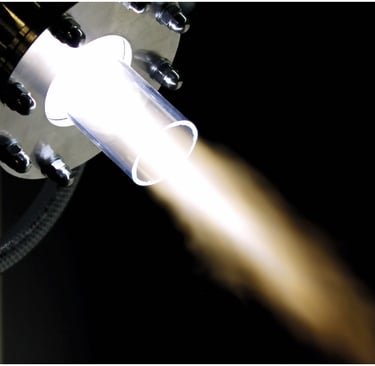
Anwendungen für Pyrolysekohlenstoff
Pyrolytic carbon, derived from the thermal decomposition of organic materials in the absence of oxygen, is gaining traction as a versatile material across various industries, including its application as a filler in agriculture. The unique properties of this material—its stability, conductivity, and light weight—make it a compelling choice for a variety of uses.
Applications of Pyrolytic Carbon in Various Industries
1. Graphite Production: One of the primary applications of pyrolytic carbon is in the production of high-quality graphite. By optimizing the carbonization process, manufacturers can produce graphite that meets the stringent requirements of various applications, including batteries, lubricants, and especially in the aerospace and automotive industries. High-density graphite components manufactured using pyrolytic carbon are favored for their thermal and electrical conductivity. Gaphit isa most promising
2. Filler Material in Polymer Composites: In the field of materials science, pyrolytic carbon serves as an effective filler in polymer composites. Its inclusion improves not only the mechanical properties but also the thermal stability and electrical conductivity of the polymer blend. These properties are particularly beneficial for applications in electronics, automotive components, and advanced materials used in construction.
3. Agriculture and Soil Enhancement: The agricultural sector has started to recognize the advantages of incorporating pyrolytic carbon into soil management practices. Known for its ability to enhance soil properties, it acts as a soil amendment that improves water retention, aeration, and nutrient availability. Integrating pyrolytic carbon into soil can lead to better crop yields and reduced need for chemical fertilizers.
4. Carbon Sequestration: With increasing concerns about climate change, pyrolytic carbon offers significant potential for carbon sequestration. By converting organic waste into pyrolytic carbon, it helps in capturing carbon that would otherwise be released into the atmosphere. This aspect plays a critical role in sustainable agriculture practices and helps mitigate the effects of global warming.
5. Biochar Applications: Closely related to pyrolytic carbon, biochar—produced through a similar pyrolytic process—has been extensively studied for its benefits in agriculture. Biochar can improve the quality of the soil, enhance biodiversity, and increase water infiltration. The use of biochar in agricultural systems can also optimize nutrient use efficiency, reduce greenhouse gas emissions, and sequester carbon more effectively than conventional soil practices.
Environmental and Economic Benefits Utilizing pyrolytic carbon not only fosters innovation in various industries but also brings environmental advantages. In agriculture, the introduction of this material can lead to more sustainable farming practices. It reduces dependency on chemical fertilizers, which can have adverse ecological effects. Furthermore, using organic waste to produce pyrolytic carbon can provide farmers with additional income streams while promoting waste reduction. Economically, the integration of pyrolytic carbon can lead to reduced costs in material production and processing when applied as a filler or composite material. This economic efficiency, combined with the material's versatility, positions pyrolytic carbon as a valuable asset across multiple sectors.
Conclusion As industries increasingly seek sustainable solutions, the applications of pyrolytic carbon—ranging from advanced graphite production to its critical role in agricultural practices as a filler and soil enhancer—highlight its multi-faceted potential. Its ability to contribute to environmental sustainability while providing economic benefits illustrates that pyrolytic carbon will play a significant role in future innovations across various fields.
Thin film technology represents a fascinating intersection between micro and large-scale applications, marrying the intricacy of nanoscale engineering with the practical demands of macro-level production. This multifaceted field plays a crucial role in various industries, ranging from electronics and optics to energy and biotechnology. As we delve into thin film technology, we will explore its fundamental principles, manufacturing techniques, applications, and the future landscape of this versatile field.
Understanding Thin Films Thin films are layers of material that have a thickness ranging from a few nanometers to several micrometers. This unique dimensionality gives thin films exceptional properties that differ from their bulk counterparts. The ability to manipulate material at such a small scale allows for the refinement of physical, optical, electrical, and chemical properties, leading to novel functionalities suited for specific applications. The core technology involves the deposition of materials onto substrates to create thin layers, which can subsequently be treated and processed to achieve desired characteristics. Common materials used in thin film technology include metals, semiconductors, insulators, and polymers. Notably, techniques such as physical vapor deposition (PVD), chemical vapor deposition (CVD), and electrochemical deposition (ECD) are frequently employed to achieve high-quality films. ### Manufacturing Techniques: Bridging Micro to Macro The transition from micro to large scale in thin film technology involves several sophisticated manufacturing processes.
1. Physical Vapor Deposition (PVD): This technique includes processes like sputtering and thermal evaporation. In PVD, the source material is vaporized and allowed to condense on specific substrates. The precise control over deposition parameters enables the creation of highly uniform films crucial for applications in electronics, such as thin film transistors (TFTs) and photovoltaic cells.
2. Chemical Vapor Deposition (CVD): CVD employs chemical reactions to deposit films from gaseous precursors. Variants like Low-Pressure CVD (LPCVD) and Plasma-Enhanced CVD (PECVD) have been instrumental in producing high-quality semiconductor films with excellent conformity and coverage. This scalability is essential in manufacturing large-area solar panels and advanced semiconductor devices.
3. Electrochemical Deposition (ECD): This method is significant for producing thin films in versatile applications, notably in battery technology and corrosion protection for metals. ECD allows for the deposition of metals and alloys with controlled thickness, presenting advantages for both large-scale applications in infrastructure and energy storage technologies.
4. Roll-to-Roll Processing: This innovative approach allows for the continuous production of thin films on flexible substrates, facilitating large-scale deployment. Used in manufacturing flexible electronics and solar cells, roll-to-roll processing enhances production rates while reducing costs. ### Applications Across Industries Thin film technology has penetrated several sectors, demonstrating its versatility and efficiency. -
Electronics: The electronics industry is arguably one of the most significant beneficiaries of thin film technology. Thin films form the backbone of modern electronic devices, including smartphones, computers, and televisions, through applications such as TFTs and capacitors. -
Optics: In optics, thin films are essential for creating coatings that enhance light transmission and reflection. Anti-reflective coatings for lenses and mirrors are classic examples where thin films improve performance and durability. -
Energy: The renewable energy sector leverages thin film technologies in solar panels, where they are utilized to increase efficiency and reduce production costs. Organics and perovskite thin film solar cells have emerged as promising alternatives to traditional silicon-based cells. -
Biotechnology: Thin films are also making strides in biotechnology for applications like drug delivery systems, biosensors, and tissue engineering. Their adjustable properties allow for enhanced interactions with biological systems, leading to improved outcomes.
Future Prospects and Challenges As we look to the future, thin film technology stands at the forefront of material science and engineering. The integration of emerging technologies, such as nanotechnology and machine learning, promises to elevate thin film applications to new heights. For instance, artificial intelligence is expected to optimize deposition processes and material selections, reducing trial-and-error phases in development. Despite these advancements, several challenges remain. Scaling production while maintaining quality and reducing costs continues to be a crucial objective. Moreover, ensuring the sustainability of materials and processes is imperative as industries strive to reduce their environmental footprints. In conclusion, thin film technology sits at the dynamic frontier between micro and large-scale technologies, bridging fundamental science with practical applications. As the field continues to evolve, the potential for innovation remains vast, promising exciting developments that could shape various industries for years to come.
Singulus AG is emerging as an innovative player in the realm of future technologies, bringing fresh ideas and cutting-edge solutions to the table. Founded on the principles of advanced engineering and technological prowess, the company is dedicated to harnessing the power of innovation to transform various industries. At the forefront of Singulus AG’s mission is a commitment to sustainability and efficiency. By developing state-of-the-art manufacturing processes and materials, the company aims to optimize resource use and minimize environmental impact. This aligns with global trends pushing for sustainable practices across all sectors.
One of Singulus AG's notable contributions is its work in the field of photovoltaic systems, which are critical for harnessing solar energy. The company is continually refining its production techniques for solar cells, increasing efficiency while reducing costs. This enhancement in solar technology not only promises a greener future but also makes renewable energy more accessible to businesses and consumers alike. Moreover, Singulus AG is exploring advancements in digitalization and automation. With industries increasingly looking to streamline operations and improve productivity, the company's innovations are helping businesses integrate smart technologies. From automated manufacturing solutions to intelligent data analysis tools, Singulus AG is positioning itself as a pivotal player in the digital transformation of traditional sectors. In addition to photovoltaics and automation, Singulus AG is venturing into the field of medical technologies. The company recognizes the potential for technological advancements to revolutionize healthcare delivery and outcomes. By focusing on the development of innovative medical devices and systems, Singulus AG is contributing significantly to improving patient care and enhancing the efficiency of healthcare providers. As we advance into an era defined by rapid technological change, Singulus AG’s commitment to research and development underpins its role as a key innovator. The company's expert teams are dedicated to exploring new materials, processes, and applications that can shape the future landscape of industries. In conclusion, Singulus AG is not only keeping pace with technological advancements but is actively leading the charge toward a more innovative and sustainable future. Through its diverse portfolio spanning renewable energy, automation, and healthcare, the company exemplifies the spirit of innovation that will drive progress in the years to come.


Covid 19
Medizin und Forschung


Global Pandemics
Global pandemics have become one of the most pressing challenges of the 21st century, impacting public health, economies, and societal structures across the globe. Understanding their emergence, combating such outbreaks, and implementing effective preventative measures are essential steps for maintaining global health security.
The Emergence of Global Pandemics Pandemics typically emerge from novel pathogens that can be transmitted from animals to humans, a process known as zoonosis. Factors such as urbanization, globalization, and climate change have intensified these interactions, increasing the likelihood of spillover events. Notable historical examples include the Spanish flu of 1918, which had devastating impacts worldwide, and more recent outbreaks like H1N1 in 2009 and COVID-19 starting in late 2019. The rise in global travel and trade significantly contributes to the rapid spread of infectious diseases. Pathogens that might have remained localized can now traverse continents within hours, highlighting the necessity of a coordinated international response when faced with a potential pandemic threat.
Combating Pandemics Effective combat against pandemics involves a multifaceted approach that includes surveillance, early detection, and timely intervention. Surveillance systems play a critical role in identifying potential outbreaks before they escalate. Countries that invest in robust public health infrastructure can better monitor emerging diseases, employing technologies like genomic sequencing to track mutations in pathogens and their transmission. When an outbreak is identified, rapid response measures are critical. This includes contact tracing, quarantine protocols, and the development of vaccines and therapeutics. The unprecedented global response to COVID-19 demonstrated the importance of vaccine development speed, regulatory flexibility, and the sharing of scientific research across borders. Initiatives like COVAX were established to ensure equitable access to vaccines, particularly in low-income countries, where healthcare resources may be scarce. Moreover, public health messaging is essential during a pandemic. Misinformation can undermine trust in health advisories and lead to poor adherence to public health measures such as mask-wearing and social distancing. Clear, transparent communication from health authorities helps to educate the public and mitigate fear, allowing communities to respond more effectively to health guidance.
Prevention of Future Pandemics Preventing future pandemics necessitates a proactive approach that includes global cooperation and investment in health systems. Strengthening healthcare infrastructure in vulnerable regions can improve overall resilience against infectious diseases. Nationwide vaccination programs, not only for emerging pathogens but also for endemic diseases, are crucial to building herd immunity and minimizing outbreaks. Furthermore, addressing the underlying drivers of zoonotic spillover is vital. This includes regulating wildlife trade, promoting sustainable agricultural practices, and conserving natural habitats to minimize human-wildlife interactions. International agreements and partnerships play a significant role in creating policies that protect both environmental and public health. Additionally, One Health initiatives, which seek to harmonize the health of people, animals, and ecosystems, are gaining traction. This interdisciplinary approach fosters collaboration between various sectors and aims to identify and mitigate risks before they exacerbate into larger public health issues.
Conclusion In conclusion, global pandemics emerge from complex biological, environmental, and social factors. Combating these threats requires immediate action, thorough preparation, and a commitment to global solidarity. By investing in public health infrastructure and fostering international collaboration, the world can work towards not only managing current pandemics but also preventing future outbreaks. With the lessons learned from past experiences, there is a hopeful path forward to enhance our collective health security.
RNA - Technologies RNA technologies have emerged as pivotal tools in various fields, particularly in diagnostics, cancer treatment, and vaccine research and production. This document delves into each area, exploring how RNA-based methods are revolutionizing these domains through innovative approaches and delivering promising results.
RNA Technologies in Diagnostics The role of RNA in diagnostics is rapidly expanding, driven by the need for sensitive and specific methods for early disease detection. One notable advancement is the use of RNA-based biomarkers. These biomarkers are fragments of RNA that can indicate the presence of disease, allowing for the early diagnosis of conditions such as cancer and infectious diseases.
1. mRNA Testing: Messenger RNA (mRNA) tests can detect gene expression changes associated with various diseases. This is particularly useful in oncology, where the presence of certain mRNAs in blood samples can signal tumor activity, enabling clinicians to monitor cancer progression and response to therapy.
2. PCR Techniques: Polymerase chain reaction (PCR) specifically targets RNA sequences, amplifying them to detectable levels. This technology has been instrumental in diagnosing viral infections, including COVID-19, where viral RNA is detected in respiratory samples, providing timely and accurate diagnosis.
3. RNA Sequencing: Advances in RNA sequencing (RNA-seq) technologies allow for comprehensive profiling of RNA in a sample. This technique is invaluable for identifying novel biomarkers and understanding the molecular underpinnings of diseases, facilitating personalized medicine approaches. #
RNA Technologies in Cancer Treatment The application of RNA technologies in cancer treatment is transforming therapeutic strategies. Here are some key approaches:
1. mRNA Therapeutics: mRNA can be designed to encode specific proteins that inhibit cancer cell growth or stimulate an immune response against tumors. These therapies hold great potential, as they can be tailored to individual patients’ cancer profiles, improving efficacy and safety.
2. RNA Interference (RNAi): RNAi is a natural cellular process where small interfering RNA (siRNA) silences specific genes associated with cancer. By inhibiting the expression of oncogenes or restoring the activity of tumor suppressor genes, RNAi has emerged as a promising therapeutic strategy in various malignancies. 3.
Antisense Oligonucleotides: These are short strands of nucleic acids designed to bind to specific mRNA molecules, blocking their translation into proteins. This approach is particularly beneficial for targeting mutations that cause cancer, enabling the development of therapies that can directly modulate gene expression.
4. CAR T-cell Therapy: Chimeric Antigen Receptor (CAR) T-cell therapy utilizes RNA to engineer a patient’s T cells to express receptors that can recognize and attack cancer cells. This innovative approach demonstrates remarkable success in treating hematological malignancies and is being explored for solid tumors.
RNA Technologies in Vaccine Research and Production The COVID-19 pandemic highlighted the speed and efficiency with which RNA technologies could be leveraged in vaccine development. They enable rapid response to emerging infectious diseases:
1. mRNA Vaccines: The Pfizer-BioNTech and Moderna COVID-19 vaccines are prime examples of mRNA technology in action. These vaccines contain synthetic mRNA that instructs cells to produce a harmless piece of the spike protein found on the virus, prompting an immune response. This swift design and adaptability is a breakthrough in vaccine research, allowing for quick modifications in the face of viral mutations.
2. Viral Vector Vaccines: Utilizing RNA from viruses as vectors can introduce proteins from pathogens, stimulating a robust immune response. These vaccines can be engineered to express multiple antigens, providing broader protection against complex diseases, including cancers and persistent viral infections.
3. Vaccine Platforms: RNA-based platforms enable standardized production methods. Once a vaccine sequence is identified, RNA can be synthesized rapidly in the laboratory, allowing for accelerated vaccine trials and deployment, which is particularly important in outbreak scenarios.
4. Combination Approaches: Researchers are exploring combinations of RNA vaccines with other modalities (e.g., protein subunit vaccines) to enhance immunogenicity and achieve long-lasting protection against diseases, including cancer.
Future Perspectives The future of RNA technologies in diagnostics, cancer treatment, and vaccine development is bright. Ongoing research aims to refine and enhance these approaches to maximize their potential. The expansion of CRISPR and other gene-editing technologies in conjunction with RNA methodologies presents exciting avenues for therapeutic innovation. As we move forward, addressing challenges such as delivery mechanisms and stability of RNA formulations will be crucial for broader clinical application. Additionally, ensuring equitable access to these advancements will be essential to maximize their global impact. In conclusion, RNA technologies are at the forefront of medical research and clinical application, offering novel solutions across diagnostics, therapeutic development, and vaccine production. Their significance is underscored by their adaptability and efficiency in addressing diverse health challenges, marking a new era in biomedical innovation.
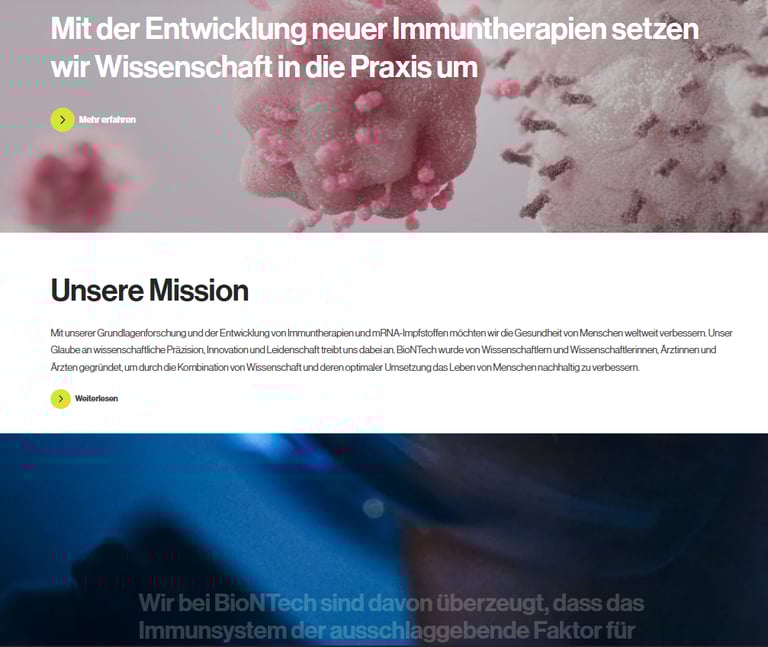
In recent years, messenger RNA (mRNA) technology has emerged as a groundbreaking approach in the field of biotechnology, heralding a new era in vaccine development and therapeutic interventions. Key players in this transformative domain include CureVac, co-founded by Ingmar Hoerr and Klaus Pascolo, as well as BioNTech, led by the innovative minds of Özlem Türeci and Uğur Şahin. This text aims to explore the contributions of these pioneering companies and their leaders in advancing mRNA technology and its applications. CureVac was established in 2000 with a vision to harness the potential of mRNA for therapeutic purposes. The company's founders, Hoerr and Pascolo, recognized the unique ability of mRNA to encode proteins, allowing for the direct stimulation of the immune system. This approach could potentially treat a variety of diseases, including cancer. Over the years, CureVac has made significant strides in the development of mRNA-based vaccines and therapies. Their innovative technology enhances the stability of mRNA, improves its delivery, and optimizes the body's response to the encoded proteins. Meanwhile, BioNTech, co-founded by Türeci and Şahin in 2008, also recognized the immense potential of mRNA technology. With backgrounds in immunology and medicine, they set out to create individualized cancer therapies using mRNA to stimulate a patient's immune response against tumors. This pioneering research paved the way for their rapid development of the first globally approved mRNA vaccine for COVID-19, known as BNT162b2, in collaboration with Pfizer. The success of BioNTech's vaccine has had a profound impact not only on public health but also on the broader acceptance of mRNA platforms in therapeutic development. The pandemic underscored the speed at which mRNA vaccines could be developed, tested, and distributed, showcasing the agility of a technology that was once considered experimental. Türeci and Şahin’s ability to pivot their existing research towards a pressing global health crisis demonstrated the versatility of mRNA technology and established BioNTech as a pioneering force in vaccine innovation. Both CureVac and BioNTech are committed to further expanding the applications of mRNA technology beyond infectious diseases. In preclinical and clinical trials, these companies are exploring mRNA therapies for cancer, rare genetic disorders, and autoimmune diseases, showcasing the diverse potential of their platforms. CureVac continues to refine its mRNA technology, focusing on innovations that would allow for a more robust and widespread use of mRNA in clinical settings. Their emphasis on the development of vaccine candidates for infectious diseases aims to provide a comprehensive approach to global health challenges. On the other hand, BioNTech's pipeline is rich with promising mRNA-based products ranging from individualized cancer treatments to combination therapies that utilize mRNA in conjunction with checkpoint inhibitors and other cancer immunotherapies. This multi-faceted approach reflects the potential for personalized medicine, where treatments can be tailored to the unique genetic makeup of each patient’s disease, significantly improving therapeutic outcomes. In conclusion, the ongoing work of CureVac, BioNTech, and their respective founders, Ingmar Hoerr, Klaus Pascolo, Özlem Türeci, and Uğur Şahin, is paving the way for a transformative shift in medicine. By employing mRNA technology, they are not only addressing immediate health crises but also laying the groundwork for innovative treatments across a spectrum of diseases, signifying a bright future.
Research
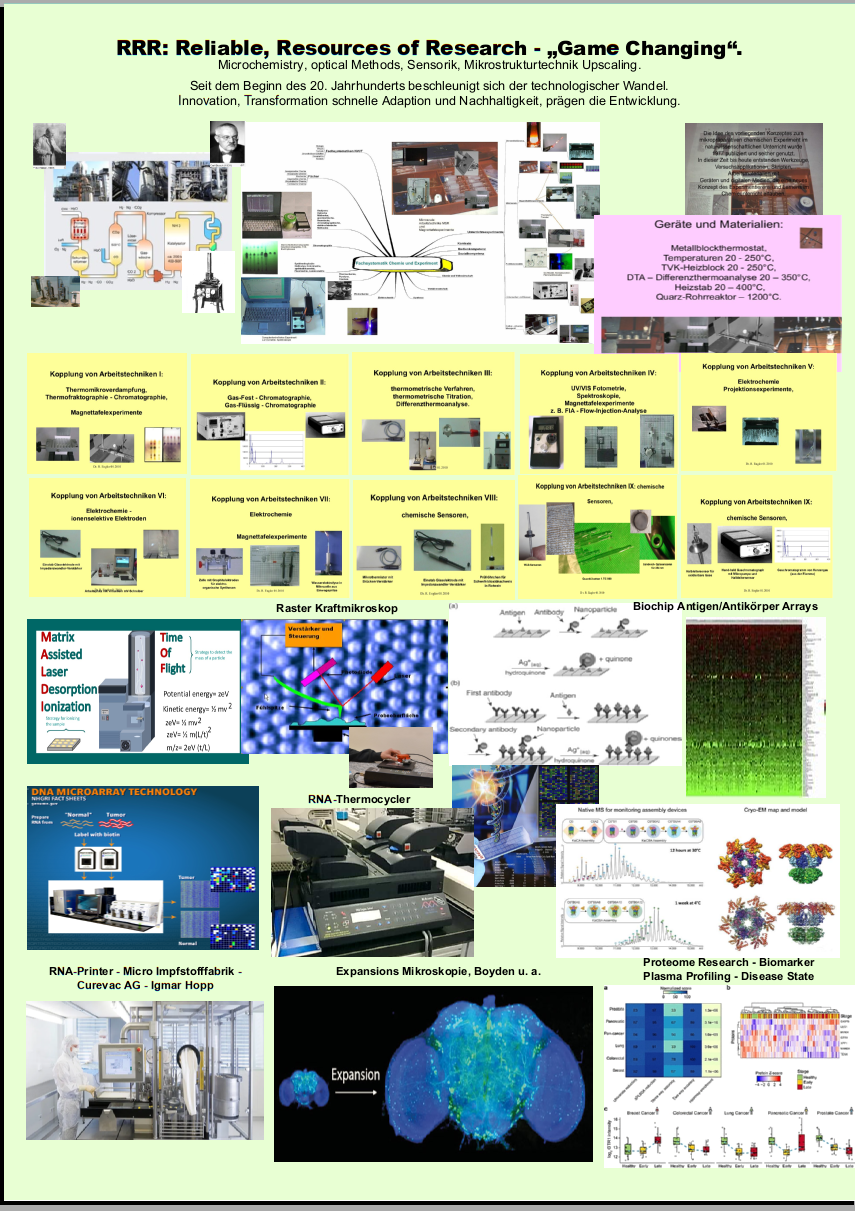
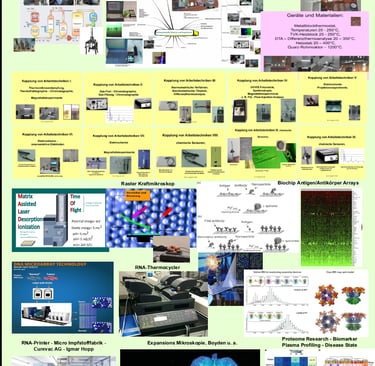

Micromethods - Chemistry and Biology
or microtechniques, have become increasingly important in the fields of chemistry and biology. These methods focus on the manipulation and analysis of small volumes of materials, which makes them not only efficient but also cost-effective. The convergence of chemistry and biology owing to these techniques has ushered in a new era of research, paving the way for innovative discoveries and applications.
1. Overview of Micromethods Micromethods refer to various laboratory techniques that use minimal amounts of reagents and sample sizes. They are utilized in areas such as analytical chemistry, molecular biology, and biochemistry. The reduction in sample size also corresponds to a decrease in the amount of waste produced, which aligns with sustainable laboratory practices.
2. Advantages of Micromethods The advantages of micromethods include: - Reduced Material Costs: Less material is consumed, making experiments cheaper, especially when dealing with expensive reagents or rare biological samples. - Enhanced Sensitivity: Smaller sample sizes can often lead to enhanced sensitivity in detection, allowing researchers to observe reactions and interactions that may otherwise go unnoticed. - Increased Throughput: Micromethods enable the performance of multiple experiments simultaneously, facilitating high-throughput screening processes. - Less Sample Degradation: Smaller volumes minimize the risk of degradation or contamination of samples, preserving their integrity for analysis.
3. Applications in Chemistry In chemistry, micromethods are employed in various ways, such as: - Microtitration: This is a technique where only tiny amounts of liquids are used to determine concentrations in solution. This method is particularly beneficial in titrimetric analyses, saving both time and materials. - Microfluidics: The use of microchannels for chemical reactions allows for precise control over variables such as temperature and pressure, leading to improved reaction conditions and outcomes. - Solid-phase Microextraction (SPME): A technique used for sample preparation that minimizes the use of solvents. It allows for the extraction of analytes from various matrices, making it indispensable in environmental and food safety testing.
4. Applications in Biology In biological research, micromethods play a vital role in several applications: - PCR Amplification: Micro-PCR techniques allow for the amplification of DNA from minuscule samples, which is essential in diagnostics and forensic analysis. - Single-cell Analysis: Techniques such as single-cell RNA sequencing require micromethods to examine cellular responses at an individual level, revealing insights into cellular heterogeneity. - Microarray Technology: This method allows researchers to study gene expression or genotyping on a smaller scale, providing a high-throughput means to investigate multiple genes simultaneously.
5. Emerging Trends and Future Directions As technology advances, micromethods are becoming more sophisticated. Innovations such as lab-on-a-chip devices and integrated microfluidic systems are making it possible to conduct complex reactions and analyses in a compact form. Furthermore, the integration of artificial intelligence in data analysis and the development of new materials for sensing and detection are set to revolutionize micromethods in both chemistry and biology.
6. Challenges to Address Despite their advantages, micromethods present challenges that researchers must navigate: - Standardization: Variability in methods can lead to inconsistent results, highlighting the need for standardization in micromethods across laboratories. - Training and Expertise: Researchers may require specific training to effectively implement micromethods, which can limit their widespread adoption. - Equipment Costs: Initial investment in specialized equipment can be significant, making it a barrier for some research institutions.
7. Conclusion Micromethods represent a significant advancement in chemical and biological research, driving innovation while conserving resources. As research evolves, these techniques will likely adapt and improve, enhancing their applicability across various disciplines. Ultimately, the future of science may well tilt towards the microscopic scale, where the minutiae of interactions reveal the grand principles of biology and chemistry.
E. Boyden and Expansion Microscopy
Expansion microscopy (ExM) is a groundbreaking imaging technique that allows scientists to observe biological structures at a much higher resolution than traditional methods. Developed by researchers at the Massachusetts Institute of Technology, particularly Edward Boyden and his team, ExM utilizes a unique approach that effectively expands specimens, making it possible to visualize subcellular features with unprecedented clarity. The essence of expansion microscopy lies in its innovative use of hydrogels. In this technique, biological samples, such as tissue or cells, are embedded in a special hydrogel that has the ability to swell. When the hydrogel is treated and expanded, it physically enlarges the sample—up to 4.5 times its original size—while preserving the biomolecules and their spatial relationships within the sample. This expansion allows for the application of standard fluorescence microscopy with much greater clarity and detail. Before the advent of expansion microscopy, imaging biological samples at nanometer resolution was hindered by the diffraction limit of light, a fundamental property that restricts the ability to resolve fine details. Traditional methods, such as electron microscopy, while capable of providing nanometer-scale images, often required extensive sample preparation and could destroy the very structures that researchers aimed to study. ExM, conversely, retains the integrity of the biological samples, enabling researchers to visualize structures in their native cellular environment. Boyden's research into ExM primarily aimed to bridge the gap between high-resolution imaging and the biological context of tissue samples. One of the significant advantages of ExM is that it can be used with a wide range of existing fluorescent labeling techniques, making it compatible with the established methods many researchers already use. This adaptability sets ExM apart from other imaging techniques that require specialized equipment or extensive methodological shifts. Moreover, expansion microscopy has opened up new avenues for exploring various biological questions. It has been applied to study the intricate architecture of neurons, the distribution of proteins within cells, and even the organization of extracellular matrix components in tissues. By providing a clearer picture of these structures, ExM has the potential to enhance our understanding of complex biological processes and diseases. Edward Boyden's contributions to this field extend beyond the development of ExM. He is also recognized for his work in optogenetics, a technique that manipulates neuronal activity using light, further demonstrating his commitment to advancing our understanding of neural circuits. His innovative approaches have emphasized the importance of combining interdisciplinary techniques to tackle challenging problems in biology and neuroscience. Overall, expansion microscopy represents a remarkable achievement in the field of imaging science, enabling researchers to visualize biological structures with enhanced resolution and contextual relevance. With ongoing research and refinement, ExM is poised to contribute significantly to various scientific domains, from neurobiology to tissue engineering, allowing scientists to unveil the complexities of life at an unprecedented scale.
email: ceng1@gmx.de © 2026 - All rights reserved.
Das Ende der Reise - Aufstieg zum Empyreon




End of the journey
Psalm 90 -10
Unser Leben währet siebzig Jahre,
und wenn's hoch kommt, so sind's achtzig Jahre,
und wenn's köstlich gewesen ist, so ist es Mühe und Arbeit gewesen;
denn es fährt schnell dahin, als flögen wir davon.