Medien und Dokumentarfilme - Interaktionen

Medien und Dokumentarfilme
In einer zunehmend digitalen Welt spielen Medien eine entscheidende Rolle bei der Informationsvermittlung und der Bildung gesellschaftlicher Perspektiven. Dokumentarfilme sind besonders wertvoll, da sie das Potenzial haben, wichtige Themen auf ansprechende Weise zu beleuchten und das öffentliche Bewusstsein zu schärfen. Diese audiovisuelle Kunstform fördert nicht nur das Verständnis komplexer Themen, sondern regt auch zu Interaktionen innerhalb der Gesellschaft an.
Die Rolle von Dokumentarfilmen in der Öffentlichkeitsarbeit
Dokumentarfilme dienen als Brücke zwischen dem Publikum und den Themen, die oft im Schatten der Mainstream-Medien stehen. Sie ermöglichen es Zuschauern, neue Perspektiven zu gewinnen und regen kritisches Denken an. Filme wie „13th“ oder „Planet Earth“ präsentieren Informationen auf eine Weise, die das Publikum emotional anspricht und zum Nachdenken anregt. Dies führt zu einer verstärkten Interaktion, sei es durch Diskussionen, Bildungsinitiativen oder Engagement in sozialen Bewegungen.
Interaktionen fördern durch Medieninhalte
Die Art und Weise, wie Medien und Dokumentarfilme konzipiert sind, beeinflusst die Art der Interaktionen, die sie hervorrufen. Interaktive Dokumentationen, die den Zuschauern erlauben, aktiv in die Erzählung einzutauchen, haben das Potenzial, die Zuschauerbindung zu erhöhen. Diese interaktive Form steigert nicht nur das Engagement, sondern fördert auch die Diskussion über relevanten Themen in den sozialen Medien und darüber hinaus. Als Ergebnis können die Zuschauer ihre Erfahrungen und Gedanken teilen, was zu einer breiteren Diskussion und einem tieferen Verständnis der behandelten Themen führt.
Zusammenfassend lässt sich sagen, dass Medien und Dokumentarfilme unverzichtbare Werkzeuge sind, um die Interaktion in der heutigen Gesellschaft zu fördern. Sie bieten nicht nur Informationen, sondern auch eine Plattform, auf der Zuschauer sich engagieren und ihre Ansichten austauschen können. In einer Zeit, in der die Gesellschaft immer mehr fragmentiert ist, helfen uns diese Formate, wieder in einen dialogischen Austausch zu treten und gemeinsame Anliegen zu adressieren.
In today's society, multimedia plays a crucial role in fostering interactions across various platforms, significantly transforming how we communicate, learn, and share experiences. From social media to virtual reality, the integration of diverse content forms — such as text, audio, images, and video — has created a rich tapestry of interaction that both reflects and shapes societal norms. The Role of Social Media Social media platforms are perhaps the most visible example of multimedia-driven interaction. Platforms like Facebook, Instagram, and Twitter have revolutionized how individuals connect with each other. Users not only share their thoughts through text but also convey emotions through images and videos, enhancing the depth of communication. For instance, a simple status update can be complemented with a photo or a video clip, allowing users to express themselves more fully. This interactive feature encourages engagement, as followers can like, comment, and share, creating a dialogue that transcends geographical boundaries. Moreover, platforms like TikTok and YouTube allow users to create and consume video content, leading to new forms of engagement that are both entertaining and informative. Online Learning and Collaboration Multimedia also plays a pivotal role in education. The shift towards online learning has underscored the importance of varied content forms in teaching and collaboration. Educators utilize videos, podcasts, and interactive simulations to cater to different learning styles, making education more accessible and engaging. For example, science classes may incorporate virtual labs where students can conduct experiments in a controlled digital environment. This multimedia approach not only aids comprehension but also encourages collaboration among students. Collaborative tools like Google Docs allow users to work on shared projects in real-time, providing a dynamic forum for discussion and creativity. Entertainment and Gaming The impact of multimedia on entertainment, particularly in the gaming industry, is profound. Video games combine graphics, audio, and interactivity in ways that engage players on multiple levels. The advent of augmented reality (AR) and virtual reality (VR) has taken this interaction to new heights, creating immersive environments where players can interact not just with the game, but also with each other. In games like "Fortnite" or "Among Us," players engage in cooperative gameplay or strategic competition, often forming communities that extend beyond the digital realm into real-world friendships. This demonstrates how multimedia can create social bonds through shared experiences. Digital Activism and Community Building Multimedia also plays a significant role in advocacy and social movements. Activists use platforms like Instagram and Twitter to spread awareness and mobilize support for various causes. Hashtags, infographics, and video content have become powerful tools for engagement, allowing movements like Black Lives Matter and climate action to gain global traction. By combining emotional storytelling with compelling visuals, these initiatives not only inform but also motivate communities to take action. The interaction fostered through multimedia empowers individuals to collectively address injustice, thereby shaping public sentiment and policy. The Challenges of Multimedia Interaction Despite its many benefits, the rise of multimedia interaction also presents challenges. The sheer volume of content available can lead to information overload, making it difficult for individuals to discern credible information from misinformation. Furthermore, the addictive nature of some social media platforms raises concerns about mental health and the quality of interpersonal relationships. As individuals spend more time engaging with multimedia content, the risk of reducing face-to-face interactions increases, potentially leading to feelings of isolation. The Future of Multimedia Interactions As society continues to evolve, the role of multimedia in fostering interaction is likely to expand further. Advances in technology such as artificial intelligence and machine learning promise to enhance personalization in how content is delivered and consumed. Furthermore, the ongoing development of immersive technologies like virtual and augmented reality will create new avenues for interaction, allowing individuals to experience events and environments in unprecedented ways. In summary, multimedia is an integral part of contemporary society, affecting how we interact with one another. From social media engagement and collaborative learning to gaming experiences and advocacy, the multifaceted nature of multimedia drives interactions that are richer and more engaging than ever before. As we navigate the benefits and challenges of this evolving landscape, it is essential to harness the power of multimedia responsibly, ensuring that it serves to enhance rather than diminish our connections with one another.
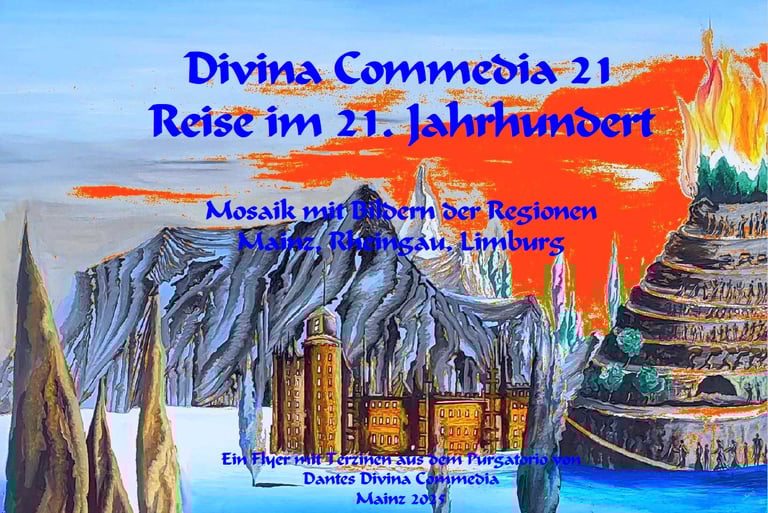
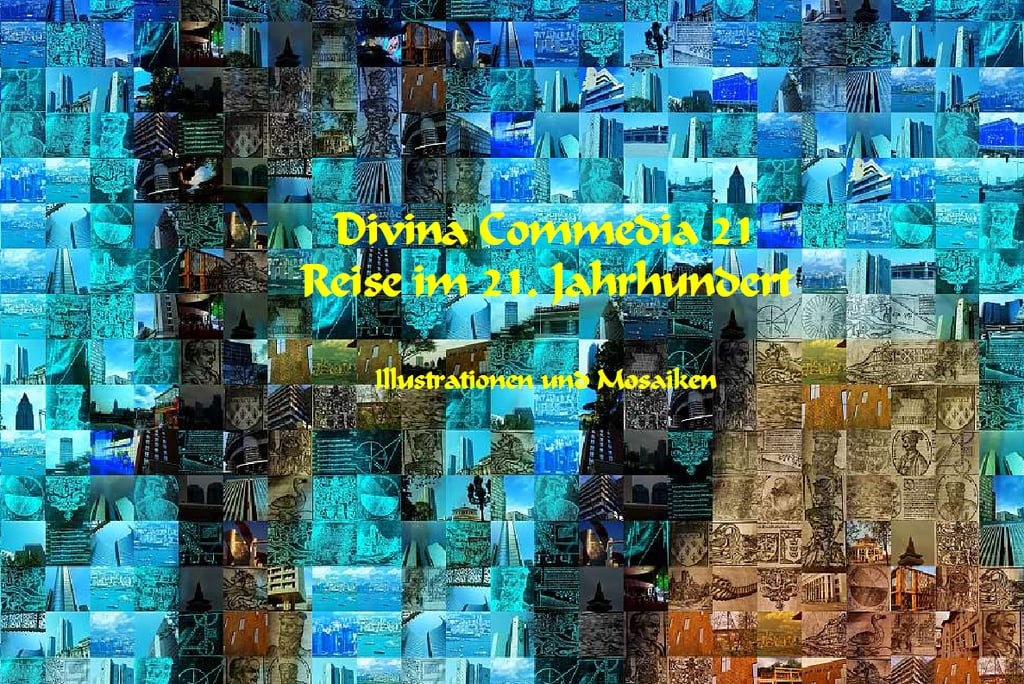
Videofilme


Interaktive Mosaiken,
fiktive Diskussionen,
Videocollagen,
Dokumentarfilme

Dante Alighieri, the esteemed Italian poet, philosopher, and political thinker, is best known for his seminal work, "The Divine Comedy." This epic poem not only showcases Dante's literary genius but also serves as a deep exploration of moral and theological themes that were pivotal during the Middle Ages. He composed the poem during his exile from Florence, which profoundly shaped his worldview. Dante's relationship with the political and ecclesiastical powers of his time, including figures like Kaiser Heinrich VII and Archbishop Peter von Aspelt of Mainz, reflects the intertwining of politics and theology in Medieval Europe. Kaiser Heinrich VII, the Holy Roman Emperor at the beginning of the 14th century, sought to consolidate imperial power and restore the splendor of the Holy Roman Empire. His reign coincided with a pivotal time in Italy, particularly in Florence, where Dante lived and was politically active. Heinrich VII’s ambition to extend his influence in Italy prompted various local factions to vie for power, highlighting the chaotic political landscape that Dante navigated. The poet’s political convictions often clashed with the ruling class, particularly regarding the roles of the Church and State, which is evident in his writings where he champions the ideal of a unified and just political structure under the benevolent leadership of the Emperor. Archbishop Peter von Aspelt of Mainz, a towering figure in the ecclesiastical hierarchy, played a significant role during this turbulent period. He was known for his efforts in both theological matters and political machinations, seeking to exert the influence of the Church over the temporal monarchy. Von Aspelt's relationship with Heinrich VII, as well as his interest in the politics of Italy, represents the broader struggle between secular and ecclesiastical power during the late Middle Ages. His decisions were often pivotal in the conflicts that arose between rival factions, and he sought to retain the Church’s authority amid changing political dynamics. Despite being a man of the Church, von Aspelt also had political aspirations, which placed him in direct ideological conflict with Dante’s views on governance and righteousness. In Dante’s "De Monarchia," written around the same time as some of his most famous works, the poet argues for the necessity of a universal monarchy, one that should be led by a strong emperor – a role he believed inherently belonged to Heinrich VII. In this treatise, Dante articulates his vision of a just society, where the separation of powers is evident, yet harmonious. This ideal position resonated with the historical context of von Aspelt and Heinrich VII, both key players in the interplay of religious and imperial authority. Dante’s approach to political theory often critiqued the corruption he witnessed within the Church and secular authorities alike. He believed that true justice could only be achieved when spiritual and political leaders acted in accordance with divine law. His powerful allegories and character portrayals often served to highlight the failures of contemporaneous figures, including those like von Aspelt who occupied positions of power yet strayed from virtuous governance. The poet’s exiled state allowed him the perspective to reflect profoundly on the tensions between his ideals and the actions of those in power. Fueled by his experiences as a political exile from Florence, Dante’s works convey a longing for a resurgent, virtuous leadership embodied in the figure of Heinrich VII. Conversely, he criticized the ecclesiastical power that characters like von Aspelt represented, performing a delicate balancing act of honoring the need for spiritual guidance while condemning the temporal manipulations that often came with it. In the grander context, the interactions and philosophical clashes between Dante, Heinrich VII, and Archbishop Peter von Aspelt exemplify a crucial chapter in the narrative of European history. Their legacies further illuminate the struggles and aspirations of the early 14th century, showcasing how intellectual currents informed political realities. Dante's literature acts as a historical document that encapsulates the ideological battles of his time, transforming personal and political upheavals into timeless moral inquiries. Dante's legacy endures not solely as a poetic achievement but as a reflection of the complex interplay of spirituality and governance—a theme that resonates through history, detailing our ongoing quest for justice, power, and moral integrity in leadership. His nuanced perspective on the figures of Heinrich VII and Peter von Aspelt provides a deepened understanding of the challenges faced by leaders in maintaining the delicate balance between political ambition and moral duty, a struggle that continues to this day.
Die Grabplatte von Peter von Aspelt im Mainzer Dom dokumentiert seinen Anspruch
als Beschützer und Förderer der Fürsten und Herrscher und deren staatliche Macht.


Kaiser Heinricht VII stirbt unerwartet am 24. August 1313
Eine fiktive Diskussion.
Peter von Aspelt, the Archbishop of Mainz, sits across from Dante Alighieri in a dimly lit chamber. The air is thick with tension as they discuss the recent and sudden death of Emperor Henry VII. As they converse, the flickering candlelight casts shadows across their faces, reflecting the gravity of their discourse. Henry VII, once a powerful and ambitious ruler, now lies lifeless, and the circumstances surrounding his demise intrigue both men. Peter broaches the subject carefully, his brow furrowing slightly as he considers the possibilities. "It could be malaria," he suggests, thinking of the diseases that plague the region, especially in the summer months. "The fever has swept through the land before, claiming many lives without warning." Dante, however, shakes his head, his dark, thoughtful eyes flashing with insight. "Or it may be more sinister than that," he replies, his voice low. "Poison could very well have been at play here. Henry had too many adversaries, enemies lurking in every shadow. The King of Naples, the French King, and even those back in Florence have reason enough to wish him harm." Both men understand the intricate web of politics that surrounds the death of the emperor. While Peter’s affiliation may lie with the ecclesiastical power, Dante’s quarrel is more personal; he remembers his own banishment from Florence, his heart heavy with the bitterness of exile. Dante had spoken out against the city’s government and the Pope, criticizing their actions and their moral standing, which led to a death sentence looming over him. "Henry’s crowning was but an act of coercion," Dante continues, leaning closer as if to draw Peter into a shared conspiracy. "The Pope crowned him only under duress, showing how fragile Henry’s position truly was. He played the game of power yet was constantly aware of the threats from every direction—Florentine exiles like me, who scorn the corruption back home, and those foreign monarchs who view him as a direct rival. What a precarious throne it must have been!" Peter nods, his expression thoughtful. He understands the revelation poignantly; the politics of power is indeed riddled with treachery. Each player must navigate their alliances with care, lest they fall victim to the very games they partake in. "And so, we find ourselves asking the same questions," he remarks, his tone grave. "Did he meet his end because of some insidious plot, or did fate take a hand through the natural decay of body and disease?" As they ponder this, the significance of the moment becomes clear to both men. They stand at a crossroads of history, looking to the future while discussing the shadows of the past. The fates of rulers and forever entwined with the fates of the people, and each passing hour draws them into a darker mystery. Dante reflects on how history often remembers the powerful, yet seldom the circumstances that lead to their rise or fall. "Do you think," he asks suddenly, a glimmer of hope illuminating his solemnity, "that Rome may finally embrace a pious king, one who can truly lead with virtue? Or will these vanities and betrayals forever plague our future?" Peter places a hand on his chin, contemplating the question. The church's power ebbs and flows with the tides of political machinations, and he finds himself wanting to believe in a future where righteousness prevails. "Hope is a fragile thing, Dante, but it is the only flame we can wield against the darkness. Let us pray that the next leader earns their title through devotion rather than deceit," he replies.
As their conversation deepens, the bond between them strengthens. They both suffer from a shared concern for the morality of their time, and their discussions skirt close to the dangerous ideals of reform. The conversation meanders through thoughts of morality, power, and the interplay of faith and governance. While the canvas of their conversation expands, the layers of political intrigue seem to deepen. They both acknowledge that every decision made in high places echoes through the lives of the common people, and somewhere amid their discussion, the vulnerability of humanity reveals itself. The murmurs of regret slip through Dante's mind, whispering of a life he could have lived had he not been exiled. Finally, as the candles flicker down to nubs, they acknowledge the need to remain vigilant against the darkness. The death of Henry VII prompts them both to reflect not only on the emperor’s legacy but also on their contributions to their respective realms. Each man, in their capacities, serves as a guardian of faith and intellect. They resolve to cling to their ideals, however perilous the path may become. With a final nod of understanding, Peter stands, the weight of his office heavy on his shoulders. Dante then rises, too, though a different burden carries him forward. They are connected by a shared goal—a desire for a different world, one where truth and compassion reign in the shadow of power, a world where perhaps even the specter of malaria pales in comparison to the human spirit’s resilience. And as they part ways that night, the swirling uncertainties of the future lie ahead,
but so too does the flicker of hope.
Grabmal Heinrichs VII im Dom von Pisa
und Link zur Untersuchung ...

Luther and Albrecht of Brandenburg: The Archbishop of Mainz The early 16th century was a time of significant transformation in Europe, marked by the convergence of different cultural, religious, and political currents. At the center of this pivotal moment were two prominent figures: Martin Luther, a monk and theologian whose actions ignited the Protestant Reformation, and Albrecht von Brandenburg, the powerful Archbishop of Mainz, whose interests were deeply entwined with the unfolding religious landscape. Background of Luther and Albrecht Martin Luther was born in 1483 in Eisleben, Germany. A member of the Augustinian order, he was deeply troubled by the practices of the Catholic Church, particularly the sale of indulgences. His pivotal moment came in 1517 when he famously nailed his Ninety-Five Theses to the door of the Castle Church in Wittenberg. This act not only challenged the clergy’s authority but also sparked a movement that would eventually lead to the fragmentation of the Catholic Church. Albrecht von Brandenburg was born in 1490 into a significant noble family and became the Archbishop of Mainz in 1514. His position made him one of the most powerful political figures in Germany. He was not only responsible for leading the diocese of Mainz but also held secular power as one of the Electors who could influence the selection of the Holy Roman Emperor. Albrecht was a man of both ambition and means, deeply invested in the politics of the time and the financial interests that came with high ecclesiastical office. The Conflict over Indulgences The crux of the conflict between Luther and Albrecht revolved around the sale of indulgences, a practice that Luther vehemently opposed. These indulgences were essentially payments made to the church as a way to reduce punishment for sins, and Albrecht, seeking to finance his lavish lifestyle and the construction of St. Peter’s Basilica in Rome, supported the sale of these indulgences. In 1517, along with his position in Mainz, Albrecht had purchased the Archbishopric of Magdeburg, which allowed him to finance his endeavors through the lucrative sale of indulgences. Luther’s criticisms put immense pressure on Albrecht, as they undermined the financial foundation of this practice and the church’s authority. Luther's Reformation Theses and Initial Reactions Luther’s Ninety-Five Theses ignited a firestorm across Europe. They were soon printed and disseminated widely, gaining traction not only in Germany but throughout Christendom. Albrecht, feeling the weight of the foray into public opposition, became anxious regarding his financial interests and the stability of his ecclesiastical position. As Luther’s ideas took hold, Albrecht was faced with two critical choices: to suppress the growing Reformation or to reconsider the practices that had brought so much criticism. Initially, Albrecht chose the former. In 1520, he condemned Luther’s teachings and sought to silence him. The papacy supported Albrecht in this decision, and together they aimed to quash the dissent rising throughout the Holy Roman Empire. However, Luther’s popularity continued to grow, and the movement he started became a powerful force that neither Albrecht nor the papacy could easily control. Consequences and the Emergence of Protestantism As the Protestant Reformation gained momentum, the schism between the Church and its dissenters deepened. For Albrecht, the theological disagreements became intertwined with political ones. His suppression of Luther, combined with the mounting pressures from both the crown and various Protestant leaders, forced him to navigate a complex realm of power politics amid a changing religious landscape. By the mid-1520s, as Protestant sects began establishing their congregations and reforming liturgical practices, Albrecht found himself at a crossroads. He realized that fully suppressing Lutheranism was increasingly difficult, if not impossible. The reformation rooted itself not only in theological critiques but also in the cultural and social reforms desired by a populace weary of the Church’s excesses. Albrecht's Legacy and the Compromise Despite his initial resistance, Albrecht eventually recognized the shifts in the religious landscape. While he was never a proponent of the Reformation, his stance evolved as he sought to maintain his influence and power. In this politically charged environment, he focused on reconciliation, trying to mediate between Protestant and Catholic factions. His attempts mirrored a broader struggle within the Catholic Church to respond to the Reformation. Albrecht’s dual role as both a cleric and a nobleman placed him in a unique position to navigate these turbulent times. He attempted to stabilize his diocese while upholding the authority of the Church, ultimately recognizing that forcing a return to the previous status quo was unattainable. Complexity defined his legacy; Albrecht became a symbol not of resolute opposition to the reformers but rather of the necessity for adaptation and compromise. Conclusion: The Intricacies of Power and Faith The interplay between Martin Luther and Albrecht von Brandenburg encapsulated the tensions of their time—a struggle between reformative zeal and entrenched authority. Luther’s theological provocations irrevocably altered the landscape of Christianity, while Albrecht’s responses illustrated the complexities faced by those in power during a period of unprecedented change. The Reformation fueled a spiritual revival for many, awakening desires for personal faith and direct engagement with religious texts. In contrast, figures like Albrecht navigated a precarious path between tradition and transformation, contending with a legacy that would shape the Church and society for centuries to come. Together, they flesh out the rich narrative of an era defined not only by religious conflict but also by the profound shifts in political power and cultural identity.
Grabplatte Albrechts von Brandenburg im Dom von Mainz


Der wohlhabende Erfinder Anton Raky ist durch Öl- und Rohstoffexplorationen zu Reichtum gelangt. Er hat in Rumänien die Fördergesellschaft Regatul Roman AG gegründet und mit den Gewinnen bereits in Bukarest ein Krankenhaus gestiftet. Er besitzt in Campina ausgedehnte Konzessionsgebiete und hat bereits hohe Investitionen in die Infrastruktur und z. B. mit Förderanlagen, Werkstätten, Straßen und eine Talbrücke bauen lassen. Sein Engagement für das Wohl der Arbeiter und der deutschen Minderheit im rumänische Ölgebiet Câmpina, veranlassen ihn im Jahr 1905, dort eine Kirche zu stiften.
In diesen Tagen diskutiert er mit seinem Onkel Anton Abt, einem angesehenen Domherren von Limburg, über die notwendigen Voraussetzungen für die Errichtung und die Organisation einer katholischen Diaspora in dieser Region. Anton Abt bringt wertvolle Erfahrungen und Kontakte mit. Seine Bekanntschaft mit der rumänischen Königin Elisabeth ist von entscheidender Bedeutung da Anton Raky hofft, dass sie die Schirmherrschaft über sein kirchliches Projekt übernehmen wird. Diese Ehre könnte nicht nur den Bau der Kirche unterstützen, sondern auch das gesamte Vorhaben in der Gemeinschaft bekannter und angesehener machen. Während des Gesprächs betont Anton Abt die Wichtigkeit des Glaubens und der Tradition für die Menschen in Câmpina. Er sieht die Kirche nicht nur als einen Ort des Gebets, sondern auch als ein Zentrum für die Gemeinschaft, das Menschen zusammenbringt und ihnen Halt gibt. „Die Menschen brauchen einen Platz, wo sie sich versammeln und ihre Nöte teilen können“, sagt er mit Überzeugung. Sein Anton Raky nickt zustimmend. Er weiß um die Herausforderungen, die eine solche Initiative mit sich bringt. „Die Anerkennung der Kirchenführung ist entscheidend.
Anton: Wir müssen sicherstellen, dass alle notwendigen Genehmigungen vorliegen und die Gemeinde hinter uns steht“, antwortet er und zieht in Erwägung, wie er die Dorfbewohner von Câmpina für das Vorhaben begeistern kann. Die beiden Männer skizzieren einige Ideen zur Gestaltung der Kirche und zur Integration in die lokale Kultur. Sie überlegen, Veranstaltungen zu planen, um die Dorfgemeinschaft einzubinden und eine positive Beziehung zu den Menschen aufzubauen. Anton Raky ist fest entschlossen, die Kirche als einen Ort des Lernens und der Spiritualität zu gestalten, in dem sich jeder willkommen fühlen kann. Sie diskutieren auch mögliche Herausforderungen. Die wirtschaftliche Situation in der Region ist instabil, und die Menschen haben oft andere Prioritäten, die sie zuerst anpacken müssen. Doch Anton Raky ist sich sicher, dass der Bau der Kirche eine langfristige Lösung für viele der gegenwärtigen Probleme sein kann. Sie sind beide überzeugt, dass nur durch eine starke Gemeinschaft und gemeinsamen Glauben auch schwierige Zeiten überstanden werden können.
Um die Schirmherrschaft der Königin zu gewinnen, überlegt Anton Abt Strategien, wie sie ihre Beziehung zu ihr am besten pflegen können. „Wir sollten die Majestät zu einem Besuch in Câmpina einladen und ihr die Vision unserer Kirche präsentieren. Ihr wird das Engagement für die Gemeinschaft gefallen“, schlägt er vor. Anton Raky stimmt zu und freut sich bereits auf die Möglichkeit, seine Ideen einer so einflussreichen Persönlichkeit vorzustellen. In den kommenden Wochen bereiten sie eine umfassende Präsentation vor, die die Bedeutung des Projektes und die Unterstützung durch die Gemeinde hervorhebt. Sie sammeln auch Informationen über die aktuellen religiösen Bedürfnisse der Menschen in Câmpina und wie ihre Kirche diese adressieren könnte. Anton Raky ist überzeugt, dass die Schaffung eines katholischen Zentrums in der Region nicht nur für die Gläubigen von Bedeutung ist, sondern auch als ein Signal für Frieden und Einheit in der sich verändernden Landschaft Rumäniens wirkt. So setzen sich die beiden Männer mit beneidenswerter Entschlossenheit an die Arbeit. Ihre Gespräche sind geprägt von Hoffnung und dem unerschütterlichen Glauben an eine bessere Zukunft. Sie träumen von der Kirche, die bald in Câmpina wird – ein Ort, der Licht und Wärme in das Leben der Menschen bringt und ihnen einen Raum bietet, um ihren Glauben zu leben und zusammenzukommen.
Die katholische Kirche St. Antonius
in Campina (Rumänien)
gestiftet von Anton Raky.


email: ceng1@gmx.de
© 2025. All rights reserved.
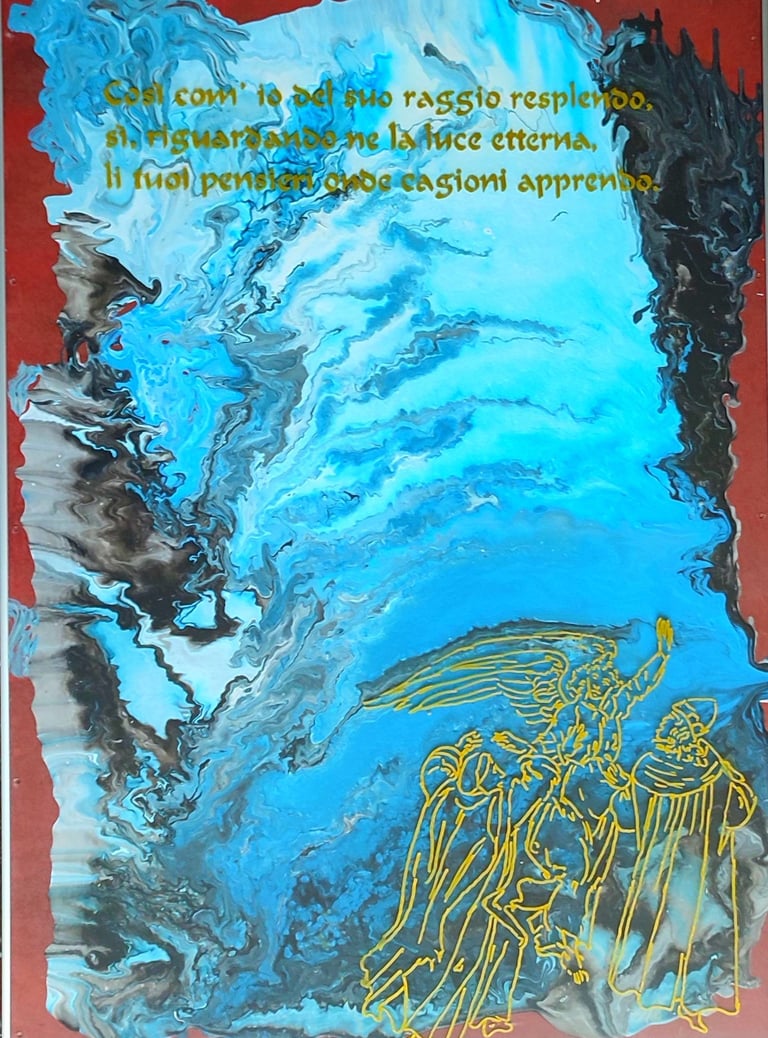
Das Ende der Reise - Aufstieg zum Empyreon



Wie, wenn ins ew'ge Licht mein Auge schaut,
mich dieses ganz mit seinem Strahl entzündet,
so ist mir deines Denkens Grund vertraut
Paradiso 11, 19