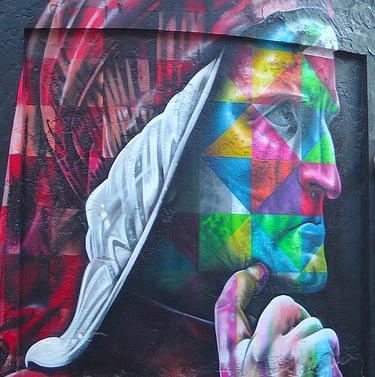
Dante im 21. Jahrhundert erleben
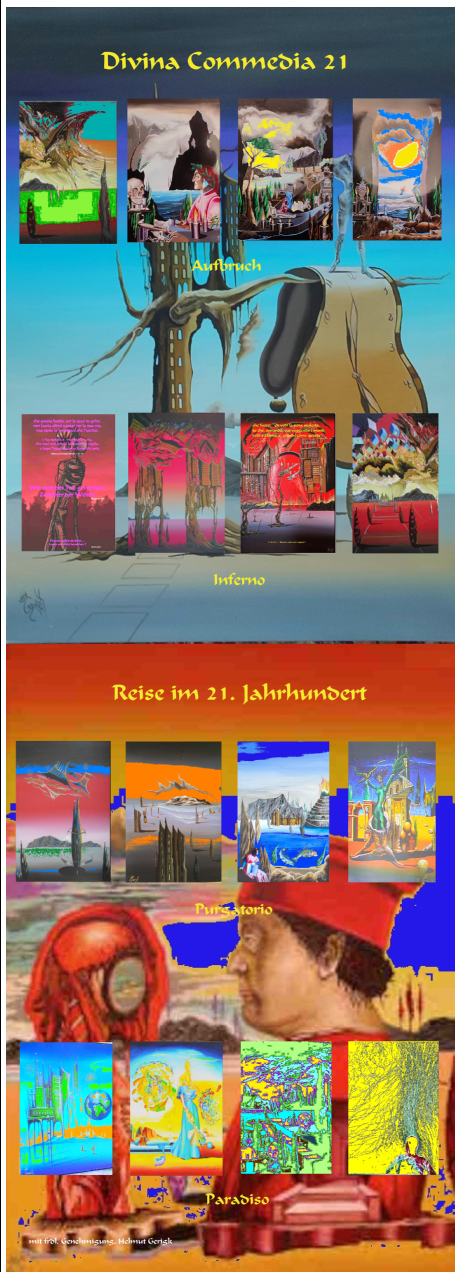
Wir verbinden Dantes Dichtung mit heutigen Werken von Künstlern, Schriftstellern und Wissenschaftlern.
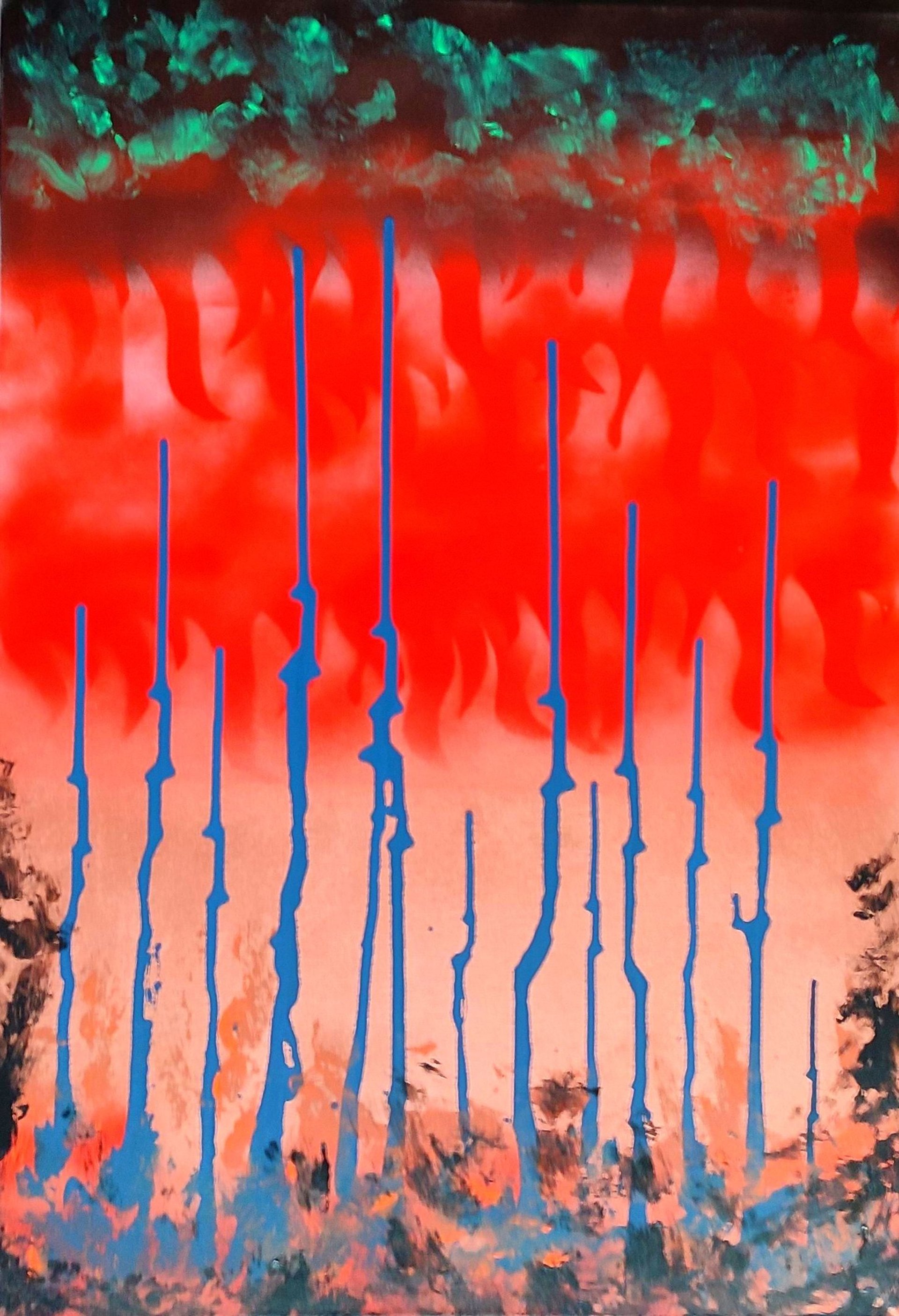
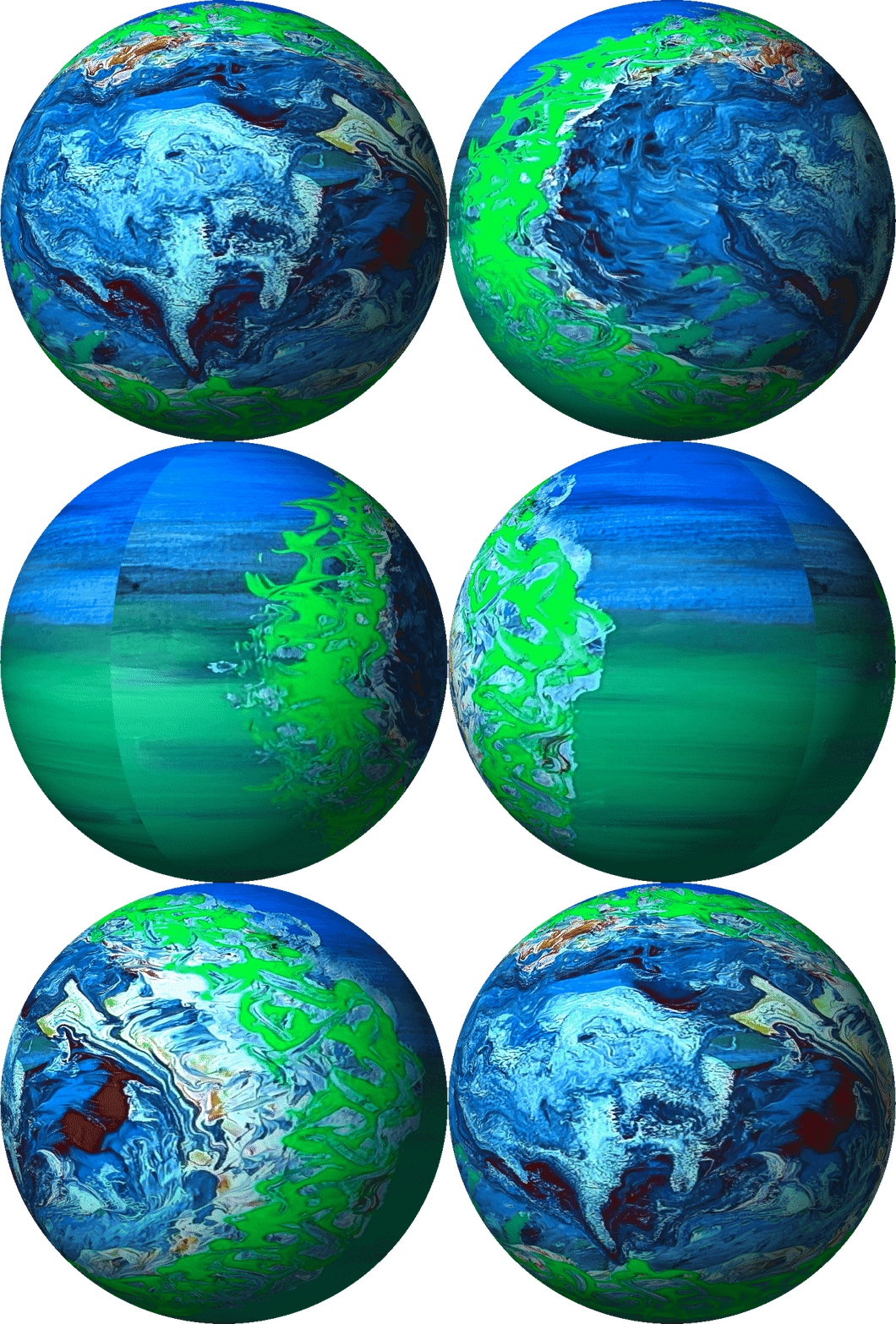
E come vien la chiarissima ancella
del sol piu oltre, cosi 'l ciel si chiude
di vista in vista in no a la piu bella.
Paradiso 33, 07


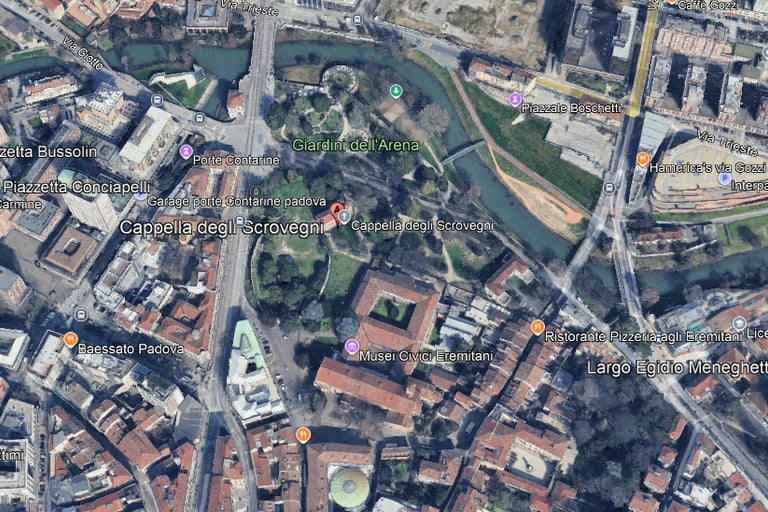
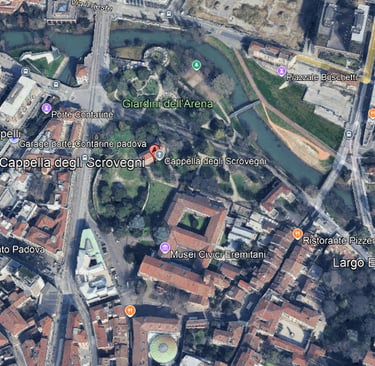
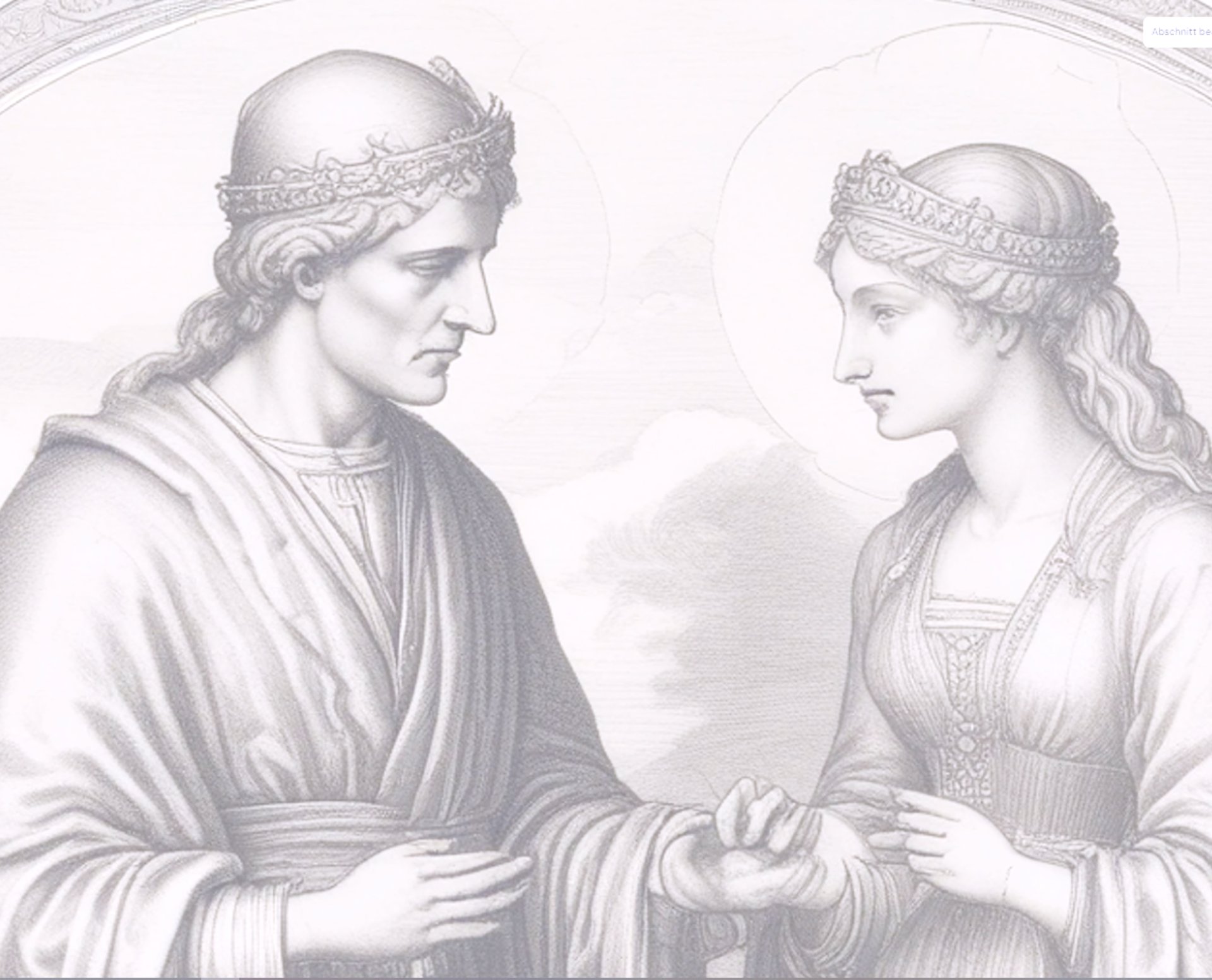
Padua und die Kapelle Scrovegni: Ein KI - Entwurf
The Scrovegni Chapel, or Cappella degli Scrovegni, is a stunning masterpiece of early Renaissance art located in Padua, Italy. This remarkable structure is not just a religious site, but also a significant cultural landmark, engaging visitors with its rich history and breathtaking artwork. Constructed between 1303 and 1305 by the wealthy banker Enrico Scrovegni, the chapel was built as a means of atonement for his father's usurious practices. Enrico sought to save his soul and those of his family by commissioning this holy space, which would come to house some of the most extraordinary frescoes ever created. The chapel was dedicated to the Virgin Mary and is part of the larger complex that includes a convent and the ruins of a Roman amphitheater. What truly sets the Scrovegni Chapel apart is its interior, adorned almost entirely with frescoes painted by the famous artist Giotto di Bondone. Giotto, who is often heralded as a precursor to the Renaissance, infused the chapel with life, emotion, and profound spiritual experience through his artwork. The frescoes depict the life of Christ and the Virgin Mary in a series of scenes that narrate their stories with extraordinary clarity and emotional depth. As visitors step into the chapel, they are immediately struck by the vibrancy of Giotto’s colors and the expressive faces of his figures. The frescoes are organized thematically, showcasing three main cycles: the stories of the Virgin Mary, the life of Christ, and the Last Judgment. The artistry transcends mere decoration; each scene is carefully crafted to evoke a sense of humanity, compassion, and divine grace. One of the chapel's most powerful images is the depiction of the Last Judgment, which dominates the altar wall. This fresco illustrates the final divine judgment of souls, a theme that would resonate deeply with viewers of the time and provoke contemplation on morality and salvation. The vivid detailing, along with expressions of fear, hope, and awe captured in the figures, serves as a reminder of the spiritual battle between good and evil. In addition to the theological significance of these frescoes, Giotto's innovative use of space and realism brought a new dimension to painting. His figures possess weight and volume, often set against a backdrop of luminous blue skies or rich landscapes, which provide an unprecedented sense of depth and perspective. This move towards realism would later influence countless artists in the Renaissance and beyond, marking a fundamental shift in the trajectory of Western art. A UNESCO World Heritage Site since 2000, the Scrovegni Chapel remains a hub of scholarly research and artistic inspiration. In order to preserve the integrity of the frescoes and provide visitors with an enhanced experience, a modern visitor center was opened nearby, offering educational resources and innovative technology that deepens the understanding of the chapel's history and significance. Visiting the Scrovegni Chapel offers a profound opportunity to engage with art that has shaped cultural and spiritual perceptions for centuries. The chapel not only stands as a testament to Giotto's genius but also encourages reflection on the themes of redemption, faith, and the human condition. For anyone interested in art, history, or spirituality, a visit to Padua’s Scrovegni Chapel is an most essential pilgrimage into the heart of Italian Renaissance culture.
Dante meets Botticelli
In the heart of Renaissance Florence, amidst the vibrant hues of art and the whispers of poetic verse, fate orchestrated a serendipitous encounter between two of its greatest minds: Dante Alighieri, the revered poet of the Divine Comedy, and Sandro Botticelli, the master painter known for his ethereal works that encapsulate beauty and mythology.
The scene was set in a sun-drenched piazza, where the air buzzed with artistic fervor. As Botticelli meticulously applied brush to canvas under the shade of a gnarled olive tree, drawing inspiration from the tales of gods and heroes, Dante ambled through the market, his gaze ever absorbed in the nuances of humanity that unfolded around him. Botticelli, lost in his representation of Venus emerging from the sea, caught sight of the poet’s distinctive silhouette. The little curls of Dante’s dark hair framed a face marked by intellect and vision, his deep-set eyes gleaming with the weight of his words. Intrigued, he set down his brush and called out, "Signore Dante! Your presence brightens this day like the dawn of a new sun!"
Dante turned, curiosity flickering across his features. "Master Botticelli, your work whispers tales that reach the heavens while grounding us to the earth. What visions capture your skill today?"
With a flourish of his hands, Botticelli beckoned Dante closer, revealing the canvas he’d devoted himself to. "I am inspired by the themes of love and beauty found in myth and reality. I strive to immortalize moments that speak to the soul. And you, dear poet, what musings do you pen today?"
Dante smiled, the corners of his mouth lifting in recognition of their shared quest for transcendence, though through different mediums. "I strive to map the journey of the soul, through realms of suffering, purification, and ultimately, love. Just as you capture beauty in form, I seek to encapsulate it in thought."
They found a shaded bench nearby, the vibrant life of Florence bustling around them as they delved deep into conversation. Dante spoke of his visions of hell, purgatory, and paradise, weaving intricate tales of souls navigating the trials of existence. Botticelli listened intently, his imagination ignited by the intimacy of Dante’s words, envisioning canvases alive with the struggles and triumphs of humanity.
"Your words paint profound images in the mind's eye, much like colors on my canvas," Botticelli remarked, inspired. "If I could capture Beatrice on a single canvas, would she not resemble the ideal of divine love?"
Dante's expression softened at the mention of Beatrice, a guiding light throughout his literary odyssey. "Indeed, she is the embodiment of the divine. My journey through hell and heaven rises and falls on her influence—an eternal muse in both life and death."
Intrigued, Botticelli contemplated the dynamic between love and art. "How often do we strive to capture the essence of such intangible concepts? Your poetic verses bring forth a tangible reality from the ethereal; the way I seek to bring the muses of art to life."
As they spoke, it became clear that their art, though distinct, mirrored one another—both sought to elevate the human condition, to elevate beauty and truth, whether through the careful strokes of paint or the deliberate cadence of poetry.
"Tell me, Dante, how do you see the fusion of our crafts?" Botticelli ventured, his voice laced with curiosity.
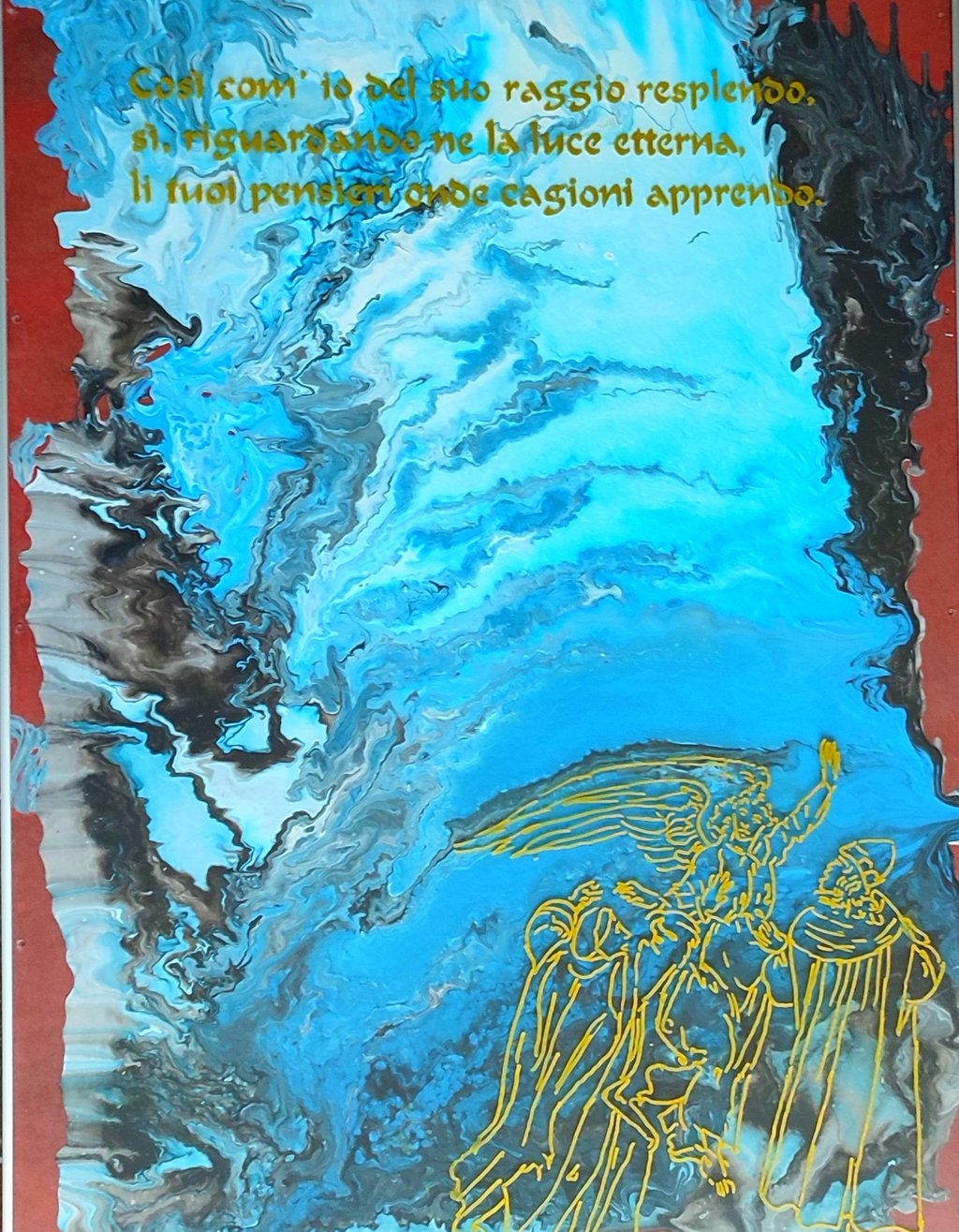
Wie, wenn ins ew'ge Licht mein Auge schaut,
mich dieses ganz mit seinem Strahl entzündet,
so ist mir deines Denkens Grund vertraut ...#
Paradiso 11, 19
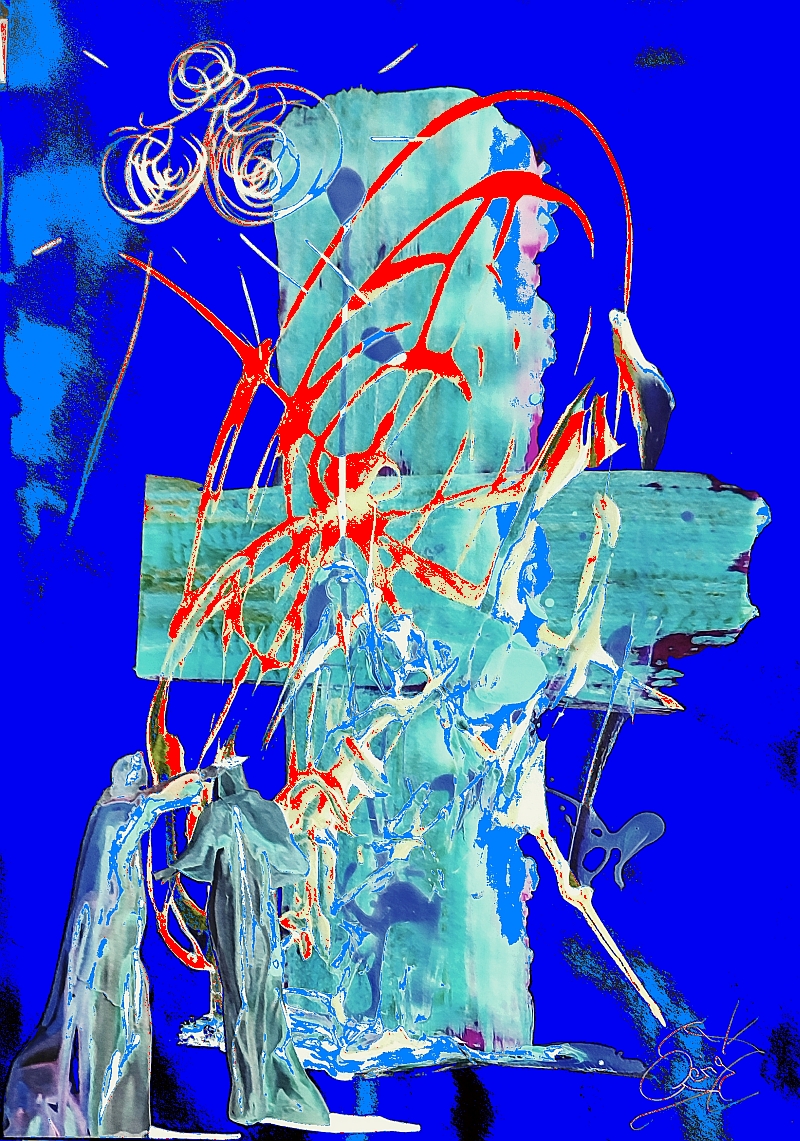
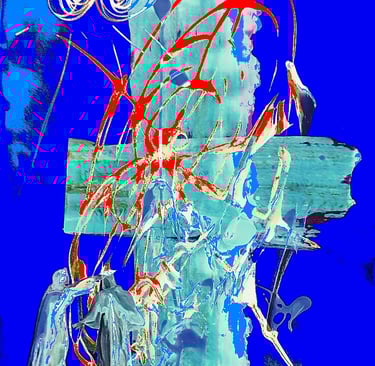
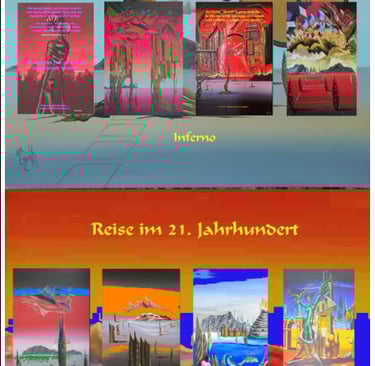
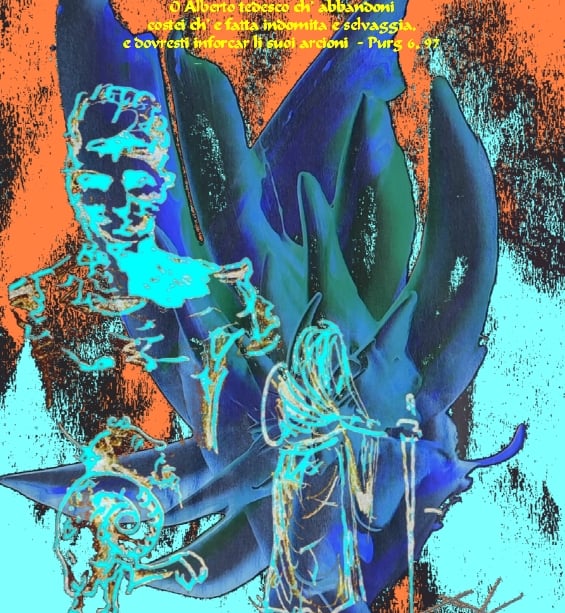
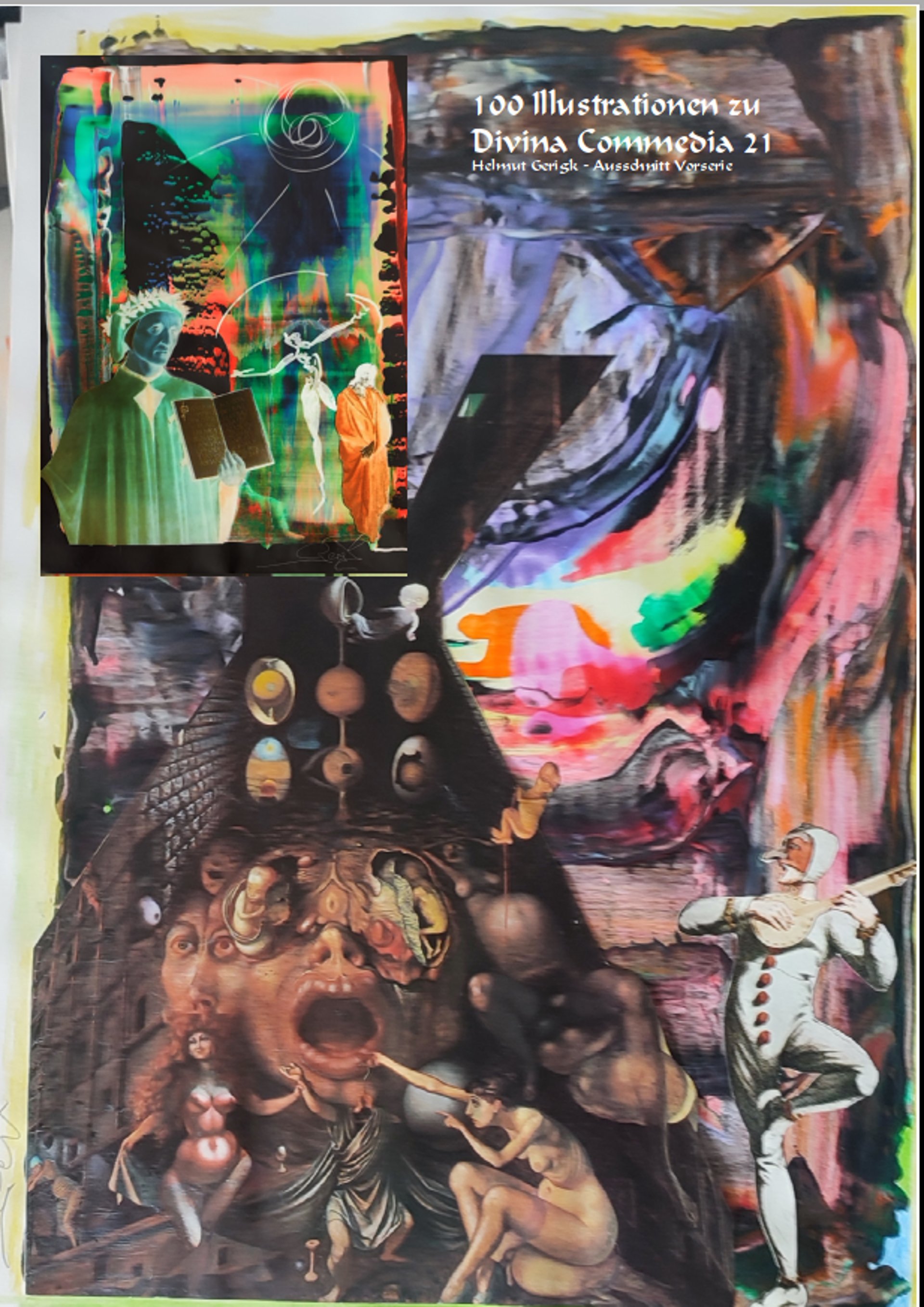
Helmut Gerigk presents Dantes Journey in 2025
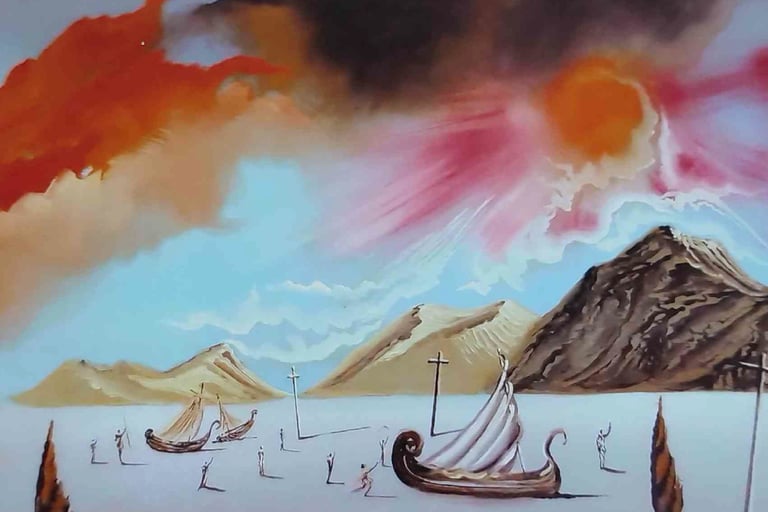
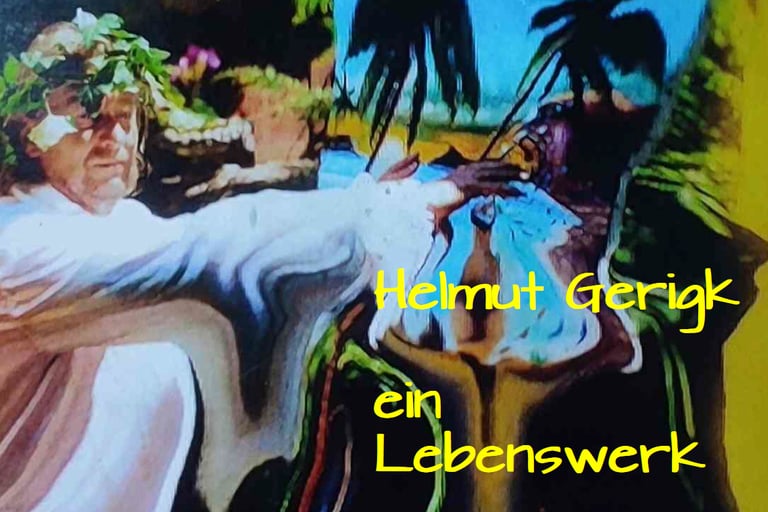
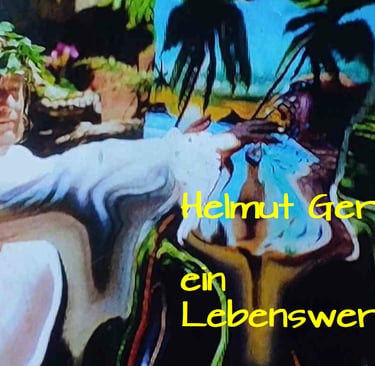
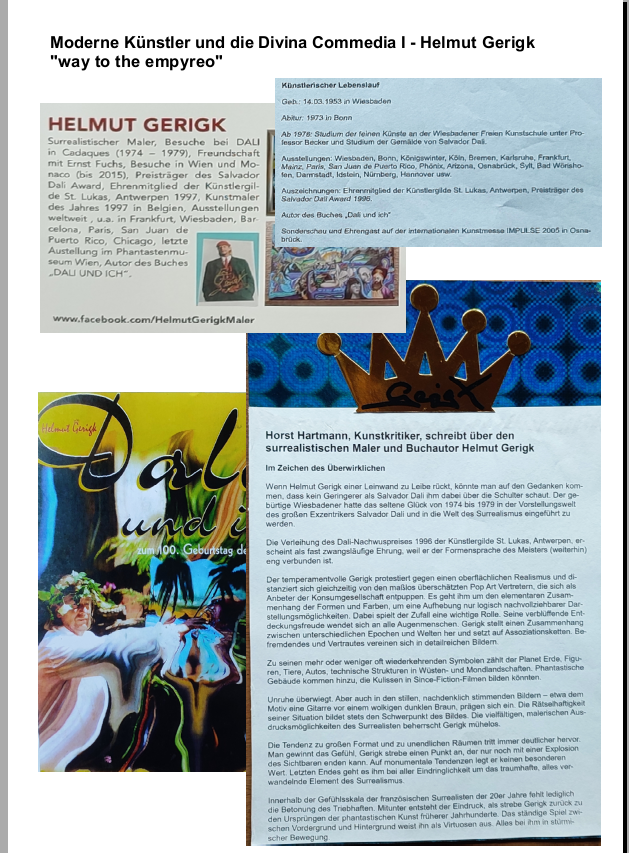
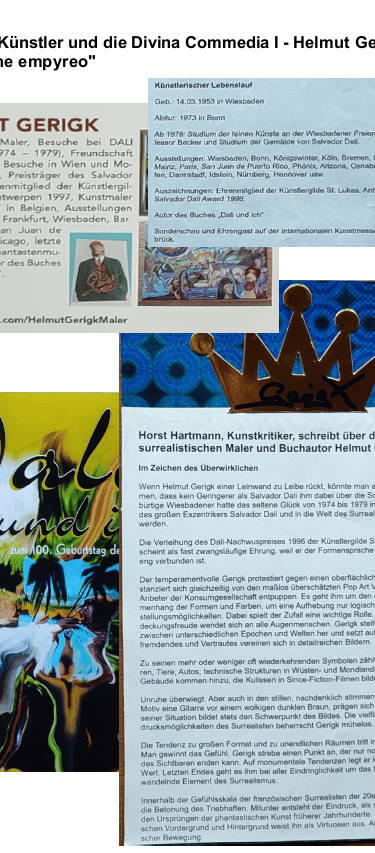
Helmut Gerigk, a surrealist painter born in Bad Godesberg, has carved a unique niche in the world of art through his vibrant and thought-provoking creations. Having been heavily influenced by his studies under the legendary Salvador Dalí, Gerigk has developed a distinctive style that often pushes the boundaries of reality and imagination. His works are not merely paintings; they are portals into alternate realms where the ordinary fuses with the extraordinary. After relocating to Mainz, Gerigk continued to flourish in his artistic endeavors, drawing inspiration from the rich cultural tapestry of the city. Mainz, with its historical landmarks and vibrant art scene, provided the ideal backdrop for a surrealist like him. The interplay of light and shadow across the ancient architecture often found its way into his colorful canvases, reflecting the dichotomy between reality and the surreal. Gerigk’s friendship with fellow surrealist Ernst Fuchs further enriched his artistic journey. Fuchs, known for his intricate and symbolic artworks, often collaborated with Gerigk, leading to the creation of several mesmerizing pieces that showcased their shared passion for the surreal. Together, they explored the depths of imagination, challenging viewers to question their perceptions of reality. As a surrealist painter, Gerigk’s technique is marked by his use of vivid colors, dreamlike imagery, and intricate details. Each brushstroke serves as a whisper from the unconscious, inviting the audience to dive deep into their interpretations. His paintings often feature uncanny landscapes, distorted figures, and bizarre juxtapositions, a testament to his understanding of the surrealist movement and his ability to transcend traditional artistic boundaries. As an artist, Gerigk remains deeply invested in the philosophical aspects of art. He draws from the Surrealist manifesto, believing that the unconscious mind has the power to create profound insights. This belief is reflected in his works, where each painting reveals layers of meaning waiting to be uncovered. The psychological depth of his art challenges viewers to engage with their own subconscious, making each piece a personal experience. Throughout his career, Helmut Gerigk has remained dedicated to his craft, continuously evolving and experimenting with new techniques and ideas. Exhibitions of his work have drawn enthusiasts and critics alike, all eager to explore the magic he brings to the canvas. Gerigk's legacy, bolstered by his connections to influential artists and his innovative spirit, ensures that he will continue to inspire future generations of surrealists.
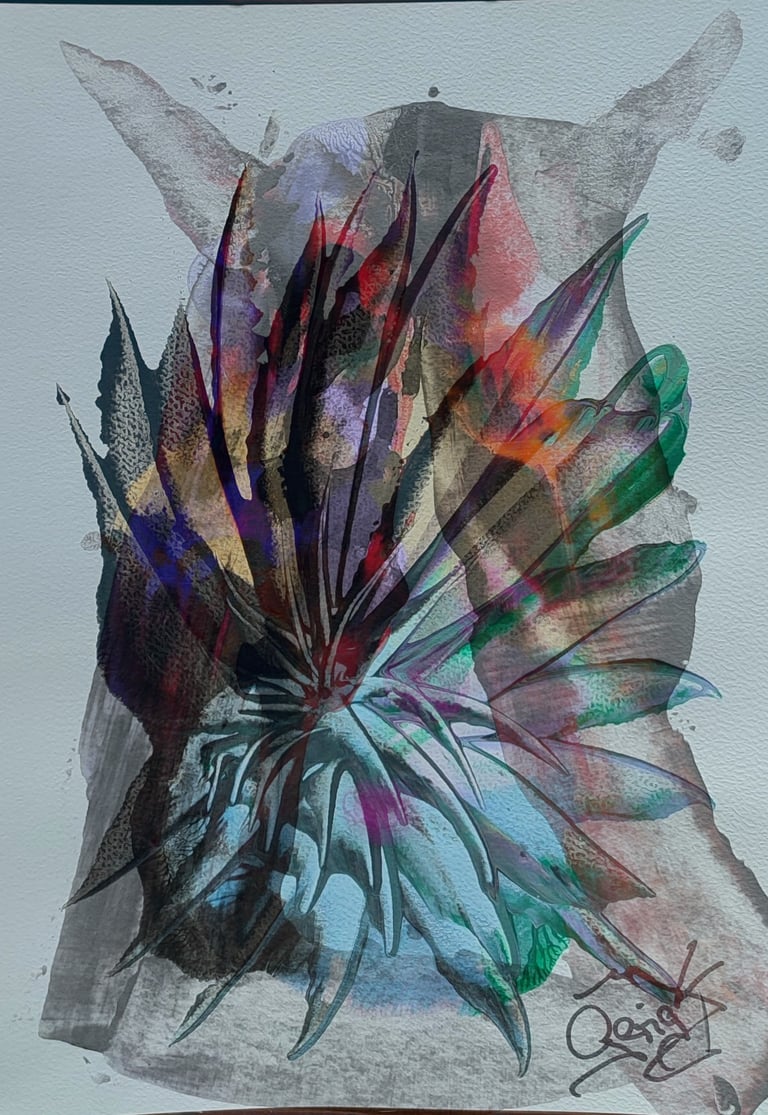
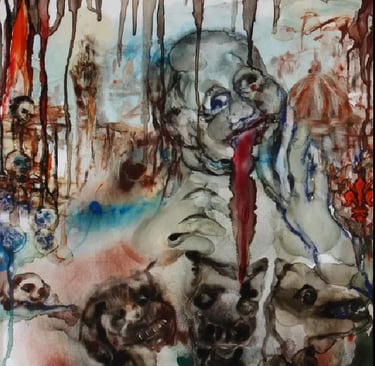
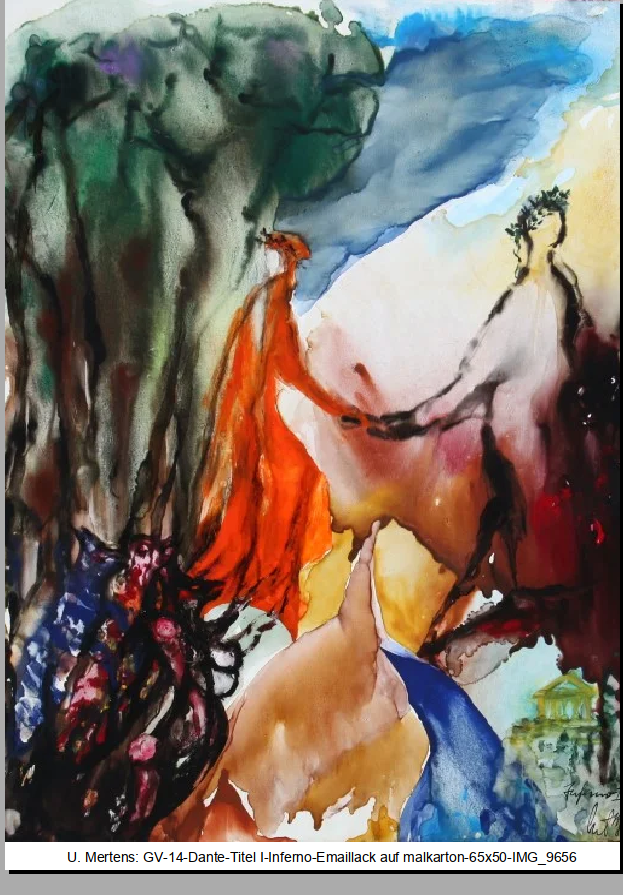
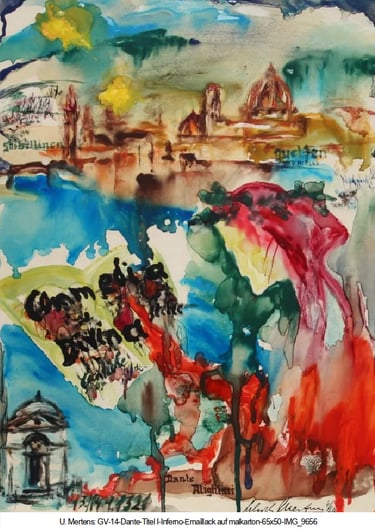
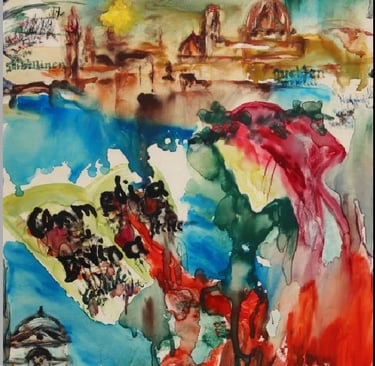
Ulrich Mertens + 2025
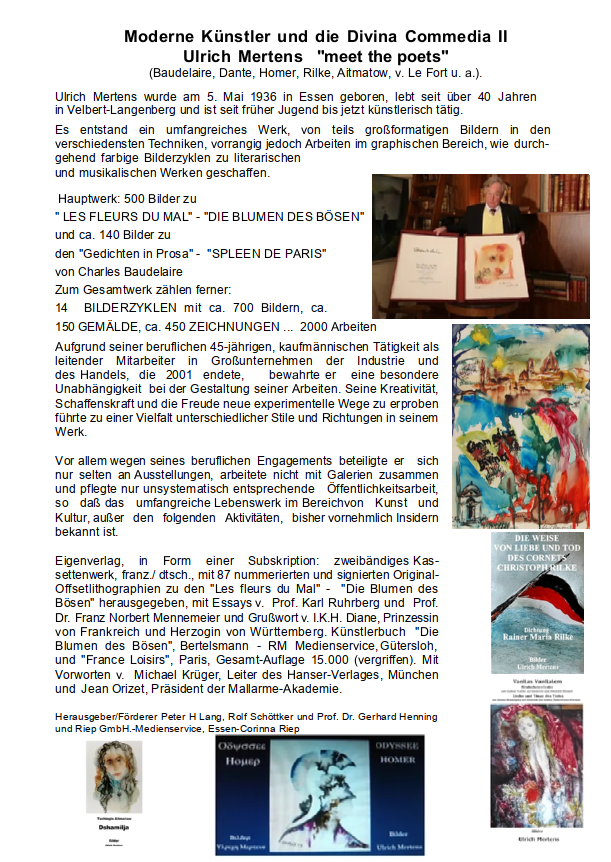
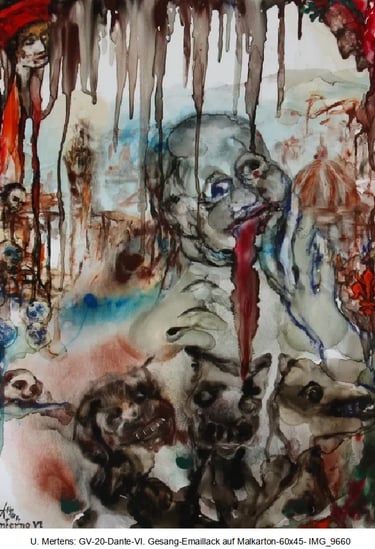
Ulrich Mertens: A Journey of Success and Artistic Passion In the vibrant landscape of modern Europe, few figures embody the dual spirit of managerial acumen and artistic creativity as vividly as Ulrich Mertens. Hailing from the picturesque town of Langenberg, Mertens has not only carved out a successful career in management but has also made significant contributions to the arts, showcasing a remarkable versatility that inspires both professionals and enthusiasts alike. As an accomplished manager, Mertens has navigated the complexities of various industries, demonstrating a keen understanding of business dynamics and a capacity for leadership that has earned him respect among peers and subordinates. His strategic vision and robust decision-making skills have propelled organizations toward growth and innovation. Mertens's approach to management is marked by an emphasis on collaboration and mentorship, fostering environments where talent can flourish and creativity can thrive. But Ulrich Mertens is not merely a name in the corporate world; he is also a dedicated artist whose creative pursuits have left an indelible mark on the European literary scene. With a remarkable repertoire of over 2,000 illustrated works, he has breathed life into numerous literary classics, bridging the gap between written word and visual expression. His illustrations enhance the reader's experience, allowing a new dimension to emerge within the narrative, and have captivated audiences across various demographics. Mertens's artistic journey is a testament to his belief in the interconnectedness of art and literature. He has always viewed illustration not as a mere enhancement but as an integral part of storytelling—a way to capture the essence of a narrative through visual interpretation. This philosophy shines through in his work, where every brush stroke and line is deliberate, thoughtfully conveying the emotions and themes present in the original texts. Living in Langenberg, a town known for its natural beauty and rich cultural heritage, Mertens draws inspiration from his surroundings. The lush landscapes, serene atmosphere, and vibrant community have influenced his artistic vision, creating a harmonious blend between his professional endeavors and his creative aspirations. Mertens uses this tranquil environment as a backdrop for both his managerial responsibilities and his artistic work, finding balance in the dualities of life. Throughout his career, Mertens has collaborated with numerous authors and publishing houses, transforming literary ideas into tangible works of art. His portfolio includes everything from classic tales to contemporary narratives, showcasing his versatility and commitment to bringing stories to life. The positive reception of his illustrations not only speaks to his talent but also highlights the importance of visual storytelling in the broader literary tradition. In a world that often emphasizes the division between art and commerce, Ulrich Mertens stands as a bridge between the two, illustrating the potential for synergy between business success and artistic expression. His story serves as a reminder that one can pursue multiple passions and excel in diverse fields, challenging conventional notions of career pathways and success. As he continues to innovate in both management and the arts, Mertens inspires a new generation of leaders and artists to embrace their multifaceted talents. Whether through his corporate leadership or his artistic endeavors, Ulrich Mertens exemplifies the spirit of creativity and resilience, leaving an enduring legacy that will be celebrated for years to come.
Ulrich Mertens ist hochbetagt im Frühjahr 2025 verstorben. Die zusammen mit Gerhard Henning und Peter Lang gestaltete Website "pur-art" mit Multimediapräsentationen zu Illustrationen europäischer Dichtungen wurde abgeschaltet.
Über den Button kann das Youtube-Video "Das hohe Lied Salomos" geladen werden.
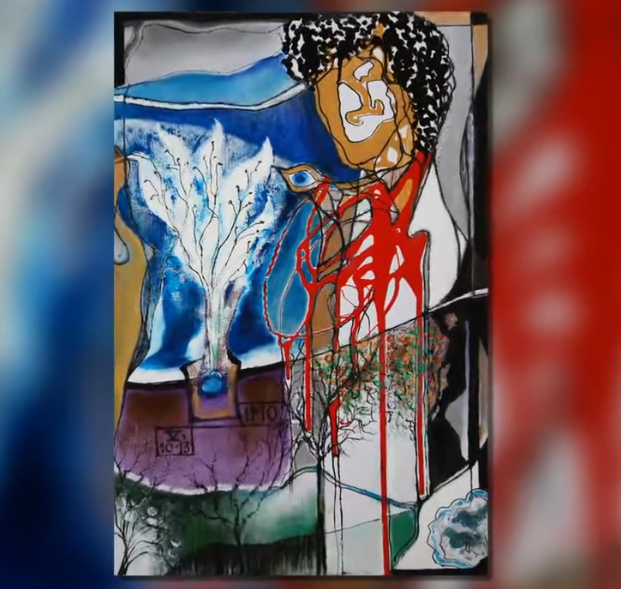
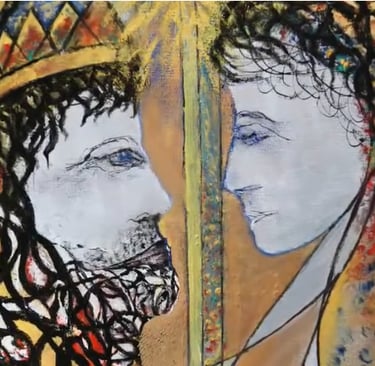
Divina Commedia -
Die Jenseitsreise
Klaus Alter
Klaus Alter is a multifaceted artist and educator known for his contributions in the fields of painting, sculpture, and music education. With a passion for creativity that spans decades, he has made a significant impact on the cultural landscape of Wuppertal, particularly through his long-standing role as a leader at the Children's Museum. Alter's journey as a painter and sculptor showcases his profound understanding of artistic expression. His work often reflects his keen observations of the world around him, transforming everyday experiences into vibrant visual and tactile forms. By utilizing a diverse range of materials and techniques, he captures the essence of his subjects, inviting viewers to engage with his art on multiple levels. In addition to his artistic endeavors, Klaus Alter is also a dedicated pedagogue. His commitment to teaching art and music underscores his belief in the transformative power of creativity in education. He has shaped the curriculum for countless students, encouraging them to explore their artistic talents and develop their own voices in the realms of visual and auditory art. As a long-term leader of the Children's Museum in Wuppertal, Alter has played an essential role in creating an enriching environment for young artists. The museum serves as a vibrant space where children can learn about art through hands-on experiences, workshops, and interactive exhibits. Under his guidance, the museum has fostered a strong community culture that values creativity, curiosity, and collaboration among children and their families. Klaus Alter's holistic approach to art education recognizes the importance of nurturing creativity in young minds. He understands that engaging with art can enhance a child's cognitive, emotional, and social development. Through innovative programming and immersive experiences, he has inspired a generation of young artists, instilling in them a lifelong love for the arts. In summary, Klaus Alter embodies the spirit of creativity and education in Wuppertal. His contributions as a painter, sculptor, and educator have left an enduring legacy, enriching the lives of children and promoting a vibrant cultural community. As he continues to inspire future generations, Alter remains a pivotal figure in the world of art and art education.
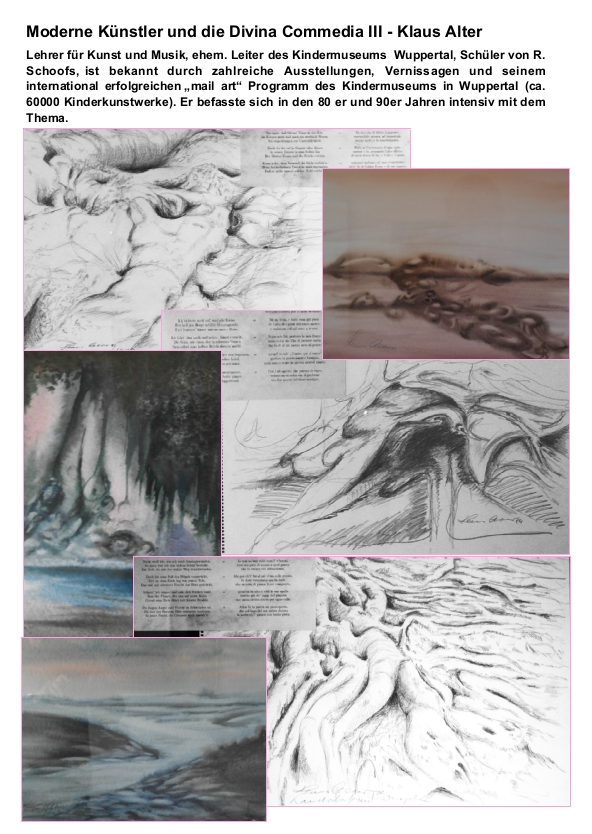
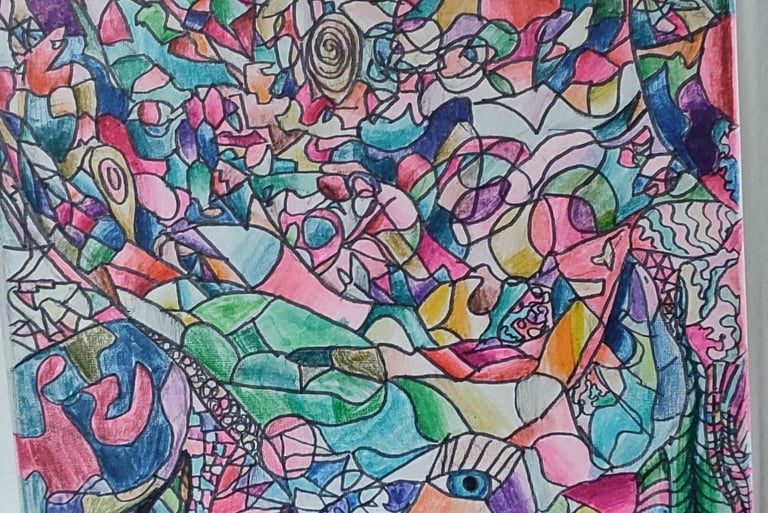
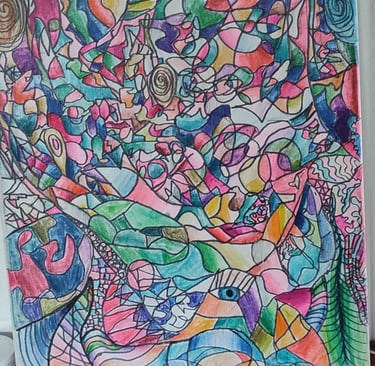
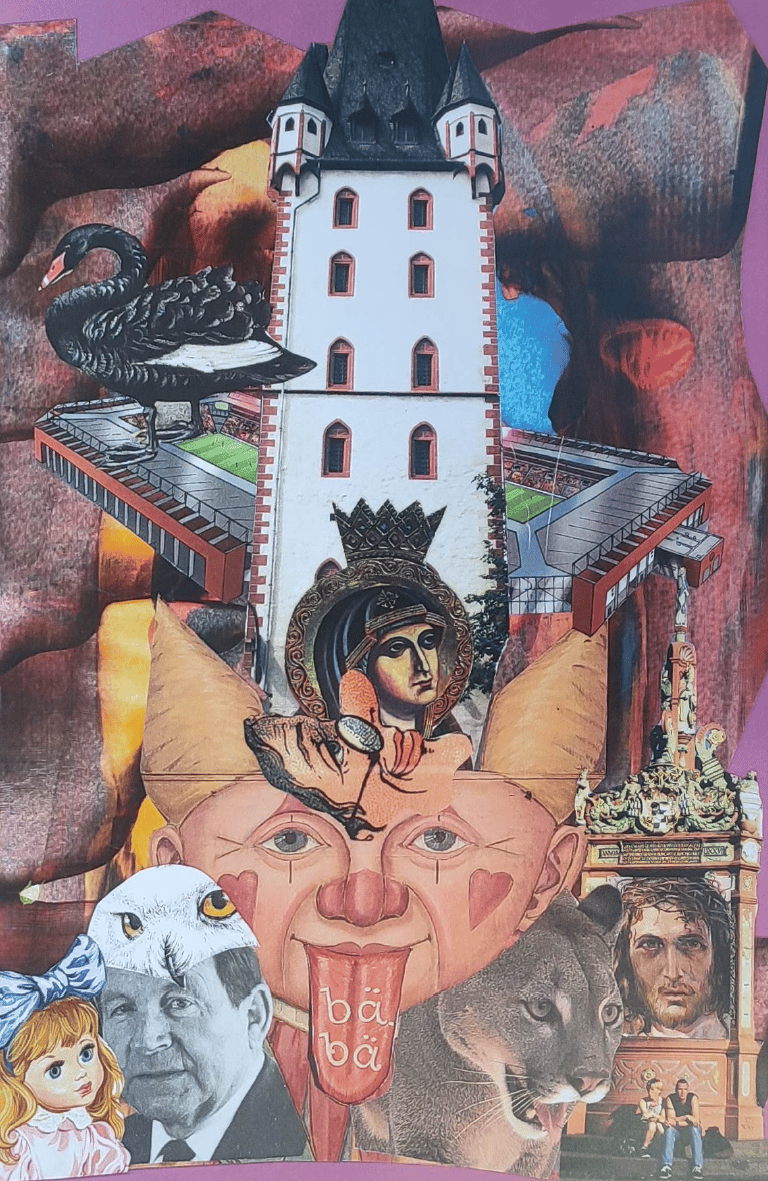
Kindermuseum Wupp. Lilly 12j
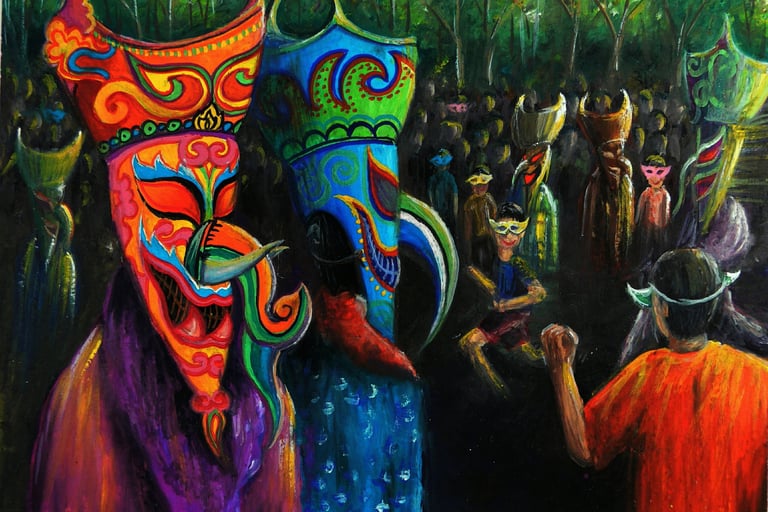
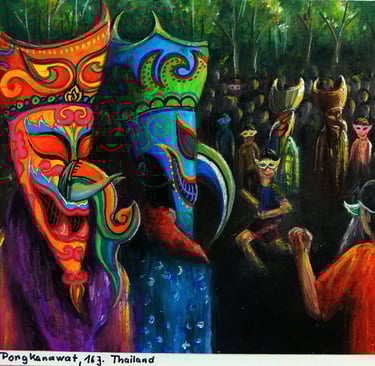
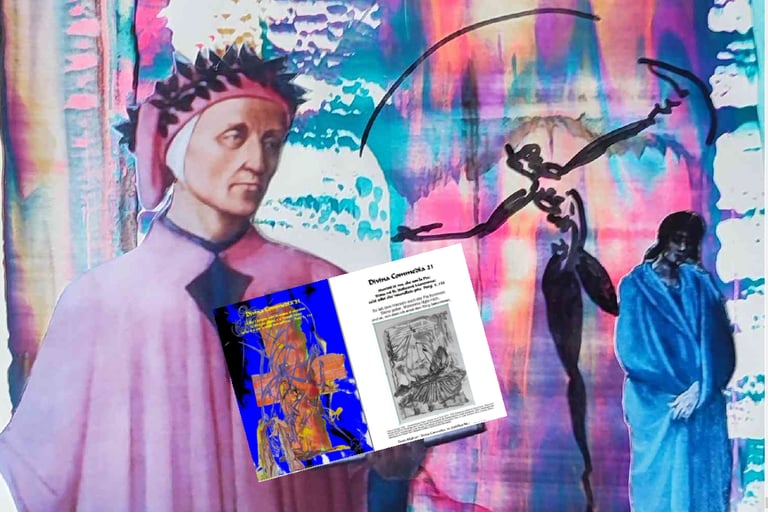
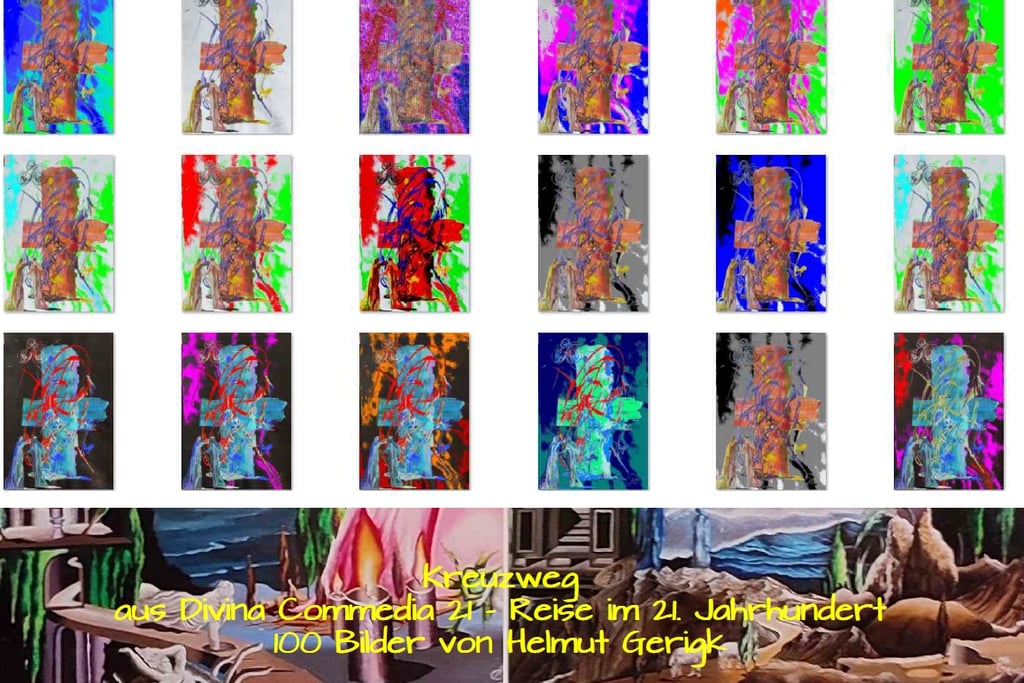
Kreuzweg -
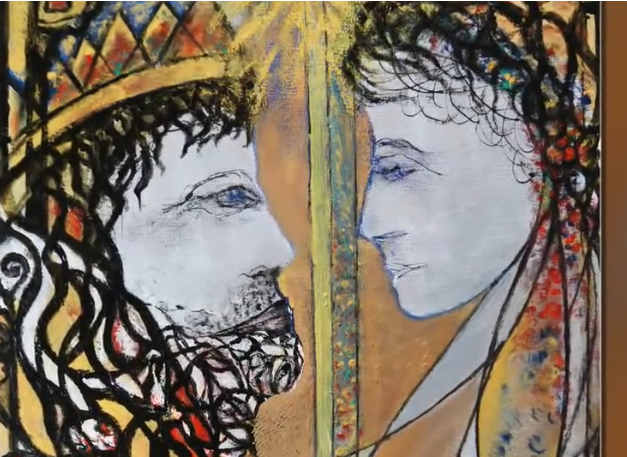
Helmut Gerigk meets Dante
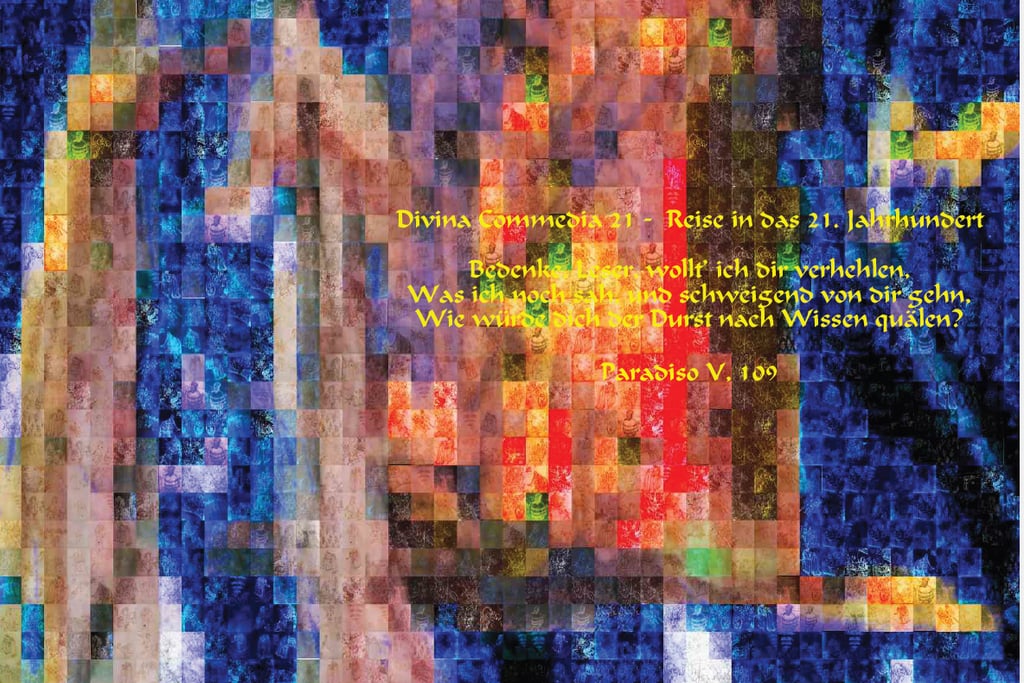
Großmosaiken mit 5000 Kacheln
und Entwürfe für Mainz Werbung
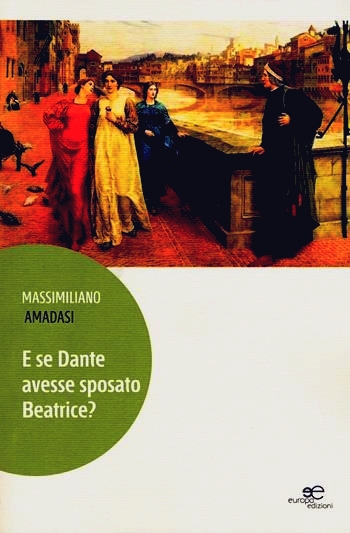
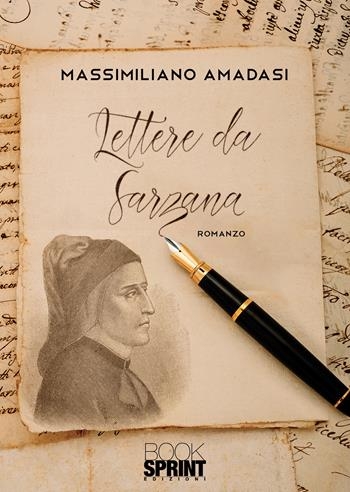
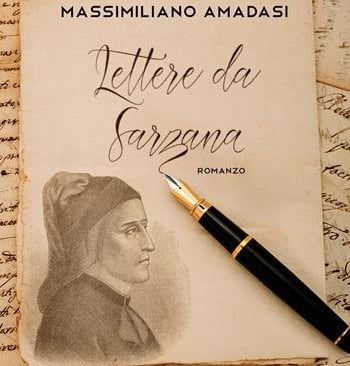
Massimiliano Amadasi
Massimiliano Amadasi is an Italian scientist and author known for weaving together historical narratives with contemporary themes. In his trilogy, he invites readers on a thought-provoking journey through time, as characters from the 21st century encounter the literary genius of Dante Alighieri, the prominent poet of the Middle Ages. Central to this narrative exploration is a tantalizing premise: what if Dante had married Beatrice? This hypothetical scenario not only reimagines Dante's life but also challenges our understanding of love, art, and destiny. In a world where Dante is not just a revered figure of literature but a living individual facing the complexities of the 21st century, Amadasi's narrative paves the way for a multifaceted exploration of their relationship. The trilogy unfolds through three pivotal novels, each one delving deeper into the consequences of this union and its implications on art and human emotion.
The first book introduces the concept of Dante and Beatrice’s marriage against the backdrop of traditional societal norms.
Their love, often idealized in literary tradition, finds itself entangled in a reality fraught with challenges. The story's tone shifts from the ethereal to the tangible as the couple negotiates their roles as partners, artists, and individuals. Through vivid character development, Amadasi paints a portrait of Beatrice not merely as the muse of Dante's works but as an empowered woman navigating her own identity in a world vastly different from the one she originally inhabited. As the narrative progresses into the second volume, we witness the evolution of their relationship when faced with the pressures of fame, public expectation, and personal conflict. Amadasi cleverly juxtaposes Dante's poetic ideals with the realities of modern love. The exploration of their joint creative journey serves as a metaphor for collaboration in art—a reflection of the age-old question: does love inspire genius, or does genius isolate the beloved? The tone becomes increasingly introspective, inviting the reader to ponder the balance of ambition and companionship, suggesting that both can flourish even in the unlikeliest of conditions. The final installment of the trilogy invites a more philosophical approach, examining the legacy of their union. With thriving debates and reinterpretations of Dante’s works, the world he envisioned now intertwines with contemporary themes such as social justice, identity, and existential inquiry. Here, Beatrice embodies a strong voice, demanding recognition not only as Dante’s wife but also as a formidable artist in her own right. The narrative reaches a crescendo as the two confront the shadows of history and the question of whether they can redefine their love story beyond the constraints imposed by time. Amadasi employs lush prose and eloquent dialogue throughout the trilogy, ensuring that the essence of Dante’s poetic brilliance permeates each page. By incorporating elements of historical fiction and speculative narrative, he skillfully transports readers to a realm where past and present coexist. The characters’ interactions with notable 21st-century personas further enrich the storyline, providing commentary on the evolving nature of love and creativity. In this imaginative retelling of what could have been, Amadasi compels us to consider the impact of choices on personal and artistic legacy. What if Dante had made Beatrice his wife? Would the Divine Comedy have been different, filled with passages of domestic bliss alongside its critiques of society? Through this lens, the exploration of their relationship encourages readers to reflect on their own perceptions of love and the transformative power it holds. Ultimately, Massimiliano Amadasi's trilogy is not just a celebration of literature and history; it is a profound meditation on the nature of art itself. It challenges us to embrace the intricacies of human connection and to acknowledge that the most poignant narratives often spring from the entwining of separate yet complementary lives. With each turn of the page, we are reminded that the legacies we leave behind are not merely contained in our artistic endeavors but are enriched by the relationships we forge along the way.
email: ceng1@gmx.de © 2026 - All rights reserved.
Das Ende der Reise - Aufstieg zum Empyreon
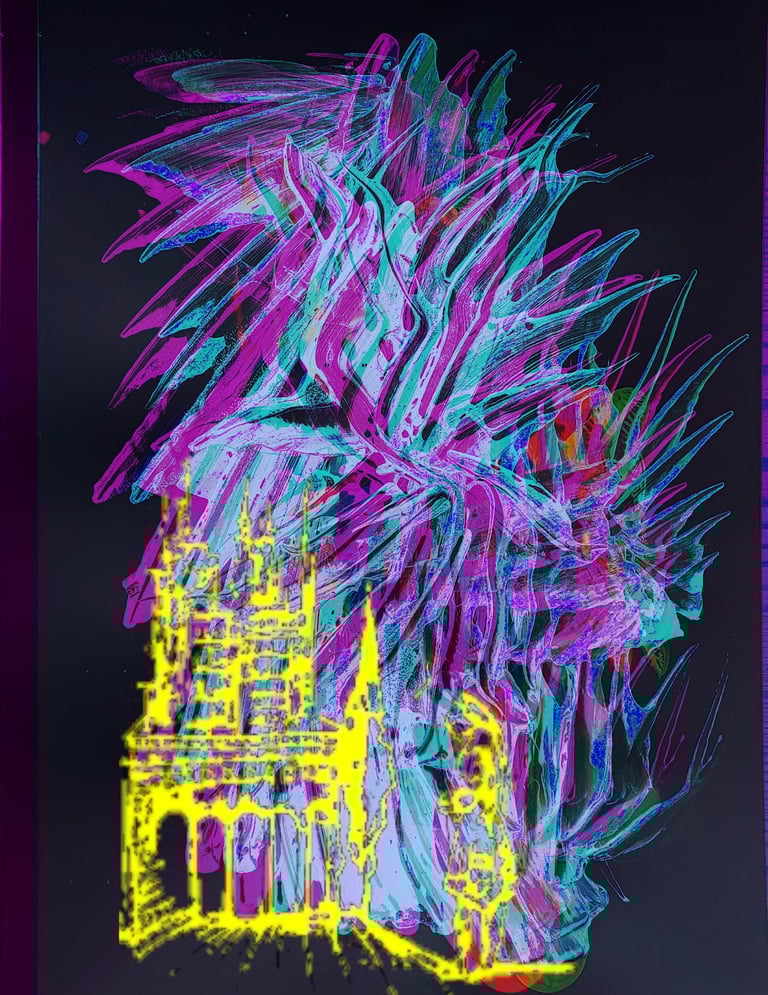
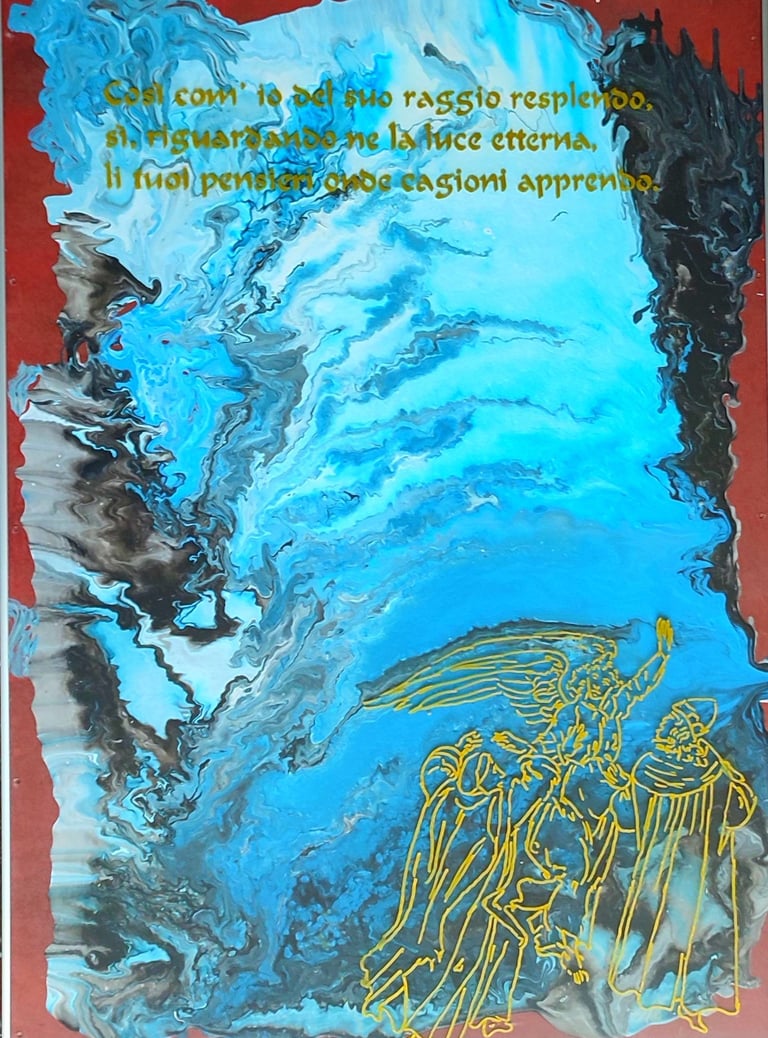
End of the journey
Psalm 90 -10
Unser Leben währet siebzig Jahre,
und wenn's hoch kommt, so sind's achtzig Jahre,
und wenn's köstlich gewesen ist, so ist es Mühe und Arbeit gewesen;
denn es fährt schnell dahin, als flögen wir davon.