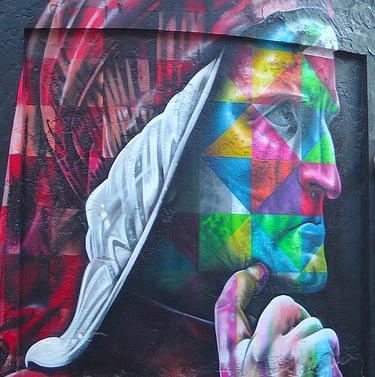

Die Verbindung von Dantes Werk mit heutigen Themen öffnet neue Perspektiven.
Anna K.


Inspirierend, wie Kunst und Wissenschaft hier zusammenkommen und zum Nachdenken anregen.
Max B.


★★★★★
★★★★★
kontakt: ceng1@gmx.de
Dante meets Artists
Italienisch, Spanisch und Englisch
Das Projekt Divina Commedia 21 – ein Kulturprojekt zu Kunst, Musik, Technik und Forschung im 21. Jahrhundert. Dante Alighieri bespricht mit Sandro Botticelli und dem Surrealisten Helmut Gerigk in Padua,wie man eine Serie zum Projekt gestalten könnte.
Italiano
el cuore del XXI secolo, un audace progetto culturale sta prendendo forma: la "Divina Commedia 21". Questo progetto non è solo un omaggio all'opera monumentale di Dante Alighieri, ma un viaggio attraverso le arti, la musica, la tecnologia e la ricerca, invitando a riflettere su come questi elementi possano interagire e compenetrarsi nel nostro tempo. Immaginiamo una scena suggestiva a Padova, dove Dante Alighieri, con la sua penna affilata, si trova a discutere con due figure di spicco dell'arte:
Sandro Botticelli, il maestro del rinascimento, e Helmut Gerigk, l'eclettico surrealista. In questa discussione, si esplorano le possibilità di dare vita a una serie di opere che interpretino e re-immaginino la "Divina Commedia" attraverso le lenti delle esperienze contemporanee. Dante, vestito con l'usuale mantello scuro, siede in un caffè affacciato su una delle storiche piazze padovane. La luce del sole filtra attraverso le nuvole, creando un'atmosfera quasi onirica. Con la sua voce profonda, inizia a esprimere l'importanza di rimanere fedeli al messaggio originale della propria opera, pur abbracciando le nuove forme di espressione. "
L'arte – afferma Dante – è un ponte che deve unire le generazioni e i contesti, dallo spirituale al materiale. La mia Commedia ha parlato di umanità e trascendenza, ma come possiamo farlo oggi?" Sandro Botticelli, ispirato dalla sua esperienza nel rinascimento, risponde: "
La bellezza e l'armonia sono senza tempo. In un’epoca di disordine e confusione, i principi della proporzione e della simmetria possono offrire un conforto visivo. Può la musica, attraverso la sua melodia, dare voce alle vibrazioni del nostro spirito? Vorrei vedere questa serie di opere come uno spazio di bellezza che invita alla contemplazione e alla serenità."
Helmut Gerigk, un surrealista contemporaneo, si inserisce nella conversazione con un'energia palpabile. "Ma non possiamo dimenticare l'irrazionale, la poesia dell'assurdo! La nostra era è intrisa di elementi surrealisti, sogni che si mescolano alla realtà. Potremmo captare la dissonanza della vita moderna e intrecciarla con l'essenza della poetica dantesca. Immaginate: la selva oscura rappresentata da un'installazione che sfida la ragione, i cerchi dell'inferno esplorati tramite la virtualità e il sogno!" I tre artisti si scambiano idee, immaginando un'installazione multimediale che mescola pittura, scultura, musica e tecnologie immersive. La proposta è affascinante: per ogni canto della "Divina Commedia", un’opera d’arte sarà creata, in cui convergeranno le estetiche rinascimentali di Botticelli, le visioni surrealiste di Gerigk e la saggezza letteraria di Dante. Ogni viaggio artistico sarà un'esperienza che supera il tempo, invitando gli spettatori a immergersi in un mondo che oscilla tra presente e passato. Con l'ausilio delle moderne tecnologie, l'idea è quella di portare l'arte in spazi inaspettati: installazioni in spazi pubblici, esperienze di realtà aumentata che permettano agli utenti di interagire con l'opera e performance musicali che accompagnino ogni creazione. Il progetto "Divina Commedia 21" non è solo un'esposizione, ma un movimento per connettere le generazioni e stimolare il dibattito sulla nostra identità culturale e artistica. "La rinascita dell'interesse per Dante e la sua opera", sottolinea uno dei partecipanti, "non può limitarsi a rivisitazioni tradizionali. Dobbiamo esplorare i temi del viaggio, dell'aldilà, dell'amore e della giustizia attraverso le lenti della nostra contemporaneità. Questo progetto sarà un manifesto dell'arte moderna, un tributo al genio dantesco attraverso la nostra voce e le nostre esperienze!"
Conclusa la discussione, i tre artisti si impegnano a unire le loro forze: Botticelli porterà la classicità e la cura minuta dei dettagli, Gerigk, con la sua audacia surrealista, darà forma a un linguaggio visivo che sorprenderà. Dante, con la sua capacità di tessere il linguaggio della vita e della spiritualità, guiderà il filo conduttore di questa avventura. Così, il progetto "Divina Commedia 21" non è solo un'opera d'arte; è un viaggio che auspichiamo possa ispirare e trasformare, unendo le voci di ieri con i cuori di oggi. In questo modo, il messaggio di Dante non solo trova nuova vita, ma si evolve, riflettendo le sfide e la bellezza del nostro tempo.
Espanol
La Divina Comedia 21 es un ambicioso proyecto cultural que busca explorar las intersecciones entre el arte, la música, la tecnología y la investigación en el contexto del siglo XXI. En este universo, el icónico poeta Dante Alighieri se encuentra con el célebre pintor renacentista Sandro Botticelli y el surrealista contemporáneo Helmut Gerigk en la histórica ciudad de Padua. Juntos, discuten cómo conceptualizar y diseñar una serie que no solo rinda homenaje a la obra maestra clásica de Dante, sino que también integre elementos modernos que cautiven a las audiencias actuales. La conversación se desarrolla en un ambiente rico en historia y creatividad. Padua, conocida por su prestigiosa universidad y su vibrante escena artística, se convierte en el telón de fondo perfecto para las deliberaciones de estos tres visionarios. Dante, con su profunda comprensión de la condición humana y su maestría poética, aporta una perspectiva reflexiva sobre el viaje del alma, un viaje que está tan presente en su obra original como en las complejas realidades del mundo contemporáneo. Botticelli, famoso por su habilidad para capturar la belleza y la emoción en sus pinturas, sugiere que la serie debe incluir una fuerte componente visual, evocando las imágenes vívidas de la Divina Comedia. Propone un enfoque multimedia, donde la pintura y el cine se entrelazan para crear una experiencia visual inmersiva. Con su vasto conocimiento del simbolismo y la alegoría, Botticelli enfatiza la importancia de los elementos visuales que reflejan el viaje del protagonista a través del infierno, el purgatorio y el paraíso. Por otro lado, Helmut Gerigk, con su inclinación por el surrealismo, plantea agregar una capa de experimentación tecnológica a la producción. Sugiere el uso de realidad virtual y aumentada para permitir que el público no solo vea, sino que también interactúe con el contenido. Gerigk propone que la serie sea una exploración de los estados de conciencia, lo que podría ser representado de manera surrealista, permitiendo a los espectadores sumergirse completamente en la narrativa. A través de estas innovaciones tecnológicas, se crearían experiencias que desafían la percepción convencional del arte y la narrativa. Mientras la conversación fluye, Dante reflexiona sobre la relevancia atemporal de sus temas. La lucha del alma por redención, el amor y la razón siguen siendo cuestiones fundamentales en la vida contemporánea. Propone que la serie debe abrir un espacio de diálogo sobre la moralidad y la ética en el siglo XXI. Con el mundo enfrentando desafíos como el cambio climático, la desigualdad social y la desinformación, hay un deseo de explorar cómo estos temas pueden resonar con las enseñanzas de su obra. A medida que los tres artistas continúan esbozando sus ideas, comienzan a delinear secciones temáticas para la serie. Cada episodio podría centrarse en un canto específico de la Divina Comedia, reinterpretando las lecciones y los simbolismos a través de lógicas narrativas congeladas en el presente. Esto no solo reimaginaría el contenido original, sino que también atraería a nuevas generaciones de artistas, académicos y entusiastas del arte. Se discuten posibles colaboraciones con músicos contemporáneos que podrían componer bandas sonoras originales inspiradas en las distintas ambientaciones de la obra. La música, un puente entre lo etéreo y lo tangible, podría amplificar las emociones que cada canto evoca, llevando al público a un viaje sensorial completo. A medida que el proyecto avanza, será crucial involucrar a la comunidad local y a las instituciones educativas de Padua. Se planean talleres interactivos y mesas redondas donde artistas, académicos y estudiantes puedan contribuir a la conversación sobre la Divina Comedia y su legado. La intención es que el análisis y la reinterpretación sean un esfuerzo colectivo que involucre diferentes perspectivas, enriqueciendo el proceso creativo y haciendo que la serie sea aún más resonante. En última instancia, el proyecto Divina Comedia 21 no es solo un homenaje a la obra de Dante; es una exploración viva y dinámica de ideas que son relevantes y provocativas en la actualidad. La colaboración entre Dante, Botticelli y Gerigk se convierte en un modelo para la creación artística del futuro, mostrando cómo el arte puede ser un vehículo para el cambio cultural y social. A medida que las ideas continúan fluyendo y evolucionando, el objetivo es construir una serie que no solo hable del pasado, sino que también inspire y desafíe a las generaciones venideras.
English
The Project Divina Commedia 21 – A Cultural Initiative Exploring Art, Music, Technology, and Research in the 21st Century In a unique merger of history and modernity, the Project Divina Commedia 21 reimagines the essence of Dante Alighieri’s timeless work through the lenses of contemporary art, music, technology, and research. This innovative initiative brings together some of the leading figures of the Renaissance and Surrealism, contemplating how to craft a compelling series that resonates with today's audiences. In a storied setting in Padua, where both Dante’s poetic legacy and the illustrious works of Sandro Botticelli continue to inspire, a remarkable dialogue unfolds among the historical and the contemporary. Here, Dante, envisioned as a figure of great literary significance, converses with Botticelli, the master painter known for his mythological and religious themes, alongside Helmut Gerigk, a Surrealist artist whose works challenge perception and reality. ### The Conversation Begins As the trio gathers in a beautifully adorned hall, the air is thick with anticipation and the weight of artistic tradition. Dante, a torchbearer of human emotion and experience, opens the discussion by posing essential questions about the nature of art and its role in the modern world. "What does it mean to journey through the realms of art, similar to how I journeyed through the Inferno, Purgatorio, and Paradiso? How can we facilitate a journey that echoes the trials and triumphs of today's society?" Botticelli, renowned for his ethereal representation of beauty, contributes his thoughts on the visual aspect of the series. "Art must speak to the soul. We should utilize the techniques of the old masters while integrating new mediums. Imagine a blend of painting and digital art that captures Dante's vivid imagery, inviting viewers into the landscapes he created. Each frame could be a portal bringing forth themes of love, redemption, and human struggle, all set against the backdrop of our current reality." Gerigk, with his roots in Surrealism, adds a layer of complexity. "In dreams and the subconscious lies a treasure trove of experiences. We could incorporate elements of surprise and absurdity to evoke emotions unbound by linear narratives. Like Dante’s journey through the afterlife, we can take audiences through a surreal interpretation of life today, where realities twist and turn, leading to unexpected revelations." Defining the Vision
Dante emphasizes the importance of accessibility and engagement. "Our series needs to connect with diverse audiences. How do we ensure that our interpretations resonate with people who may not be familiar with my work or Botticelli’s? Perhaps we can include interactive elements, allowing viewers to immerse themselves in the narrative." Botticelli suggests the power of music as a conduit for emotions, noting historical connections. "Music has always been a part of spiritual expression. We could collaborate with contemporary composers to create a score that reflects the emotional landscapes of the piece, complementing the visuals and enhancing the viewer's experience. A symphony of sound and sight can transcend language barriers, pulling people into a shared emotional experience."
The Role of Technology
Gerigk sees the potential of technology to revolutionize storytelling. "Virtual reality and augmented reality could give audiences a tangible experience of the emotional journeys depicted in our work. Imagine stepping into a digital Inferno or Purgatorio, surrounded by the colors and forms that evoke Dante’s vision while interacting with characters and events. This will allow each viewer to shape their own journey through the narrative, linking back to the personal nature of art."
Dante reflects on the implications of such technology. "But can technology maintain the integrity of the human experience? It is essential that we do not lose the emotional core in favor of spectacle. Our focus should always return to the themes of hope, justice, and love that resonate at the heart of human existence."
Crafting the Series As the discussion progresses, the trio begins sketching out the framework for the series. 1.
1. Episodes Conceptualization:** They decide to structure the series into episodes inspired by the cantos of the Divine Comedy, each focusing on a central theme—such as despair, hope, love, and redemption—portraying them through diverse artistic expressions.
2. Multi-disciplinary Collaboration: The collaboration would involve musicians, visual artists, technologists, and scholars, each contributing their interpretation, thus creating a tapestry of perspectives that reflect the multitude of voices in today’s society.
3. Interactivity and Engagement: Plans for incorporating audience interaction, such as digital discussions or immersive experiences, could accompany each episode, providing platforms for reflection and conversation about the dilemmas faced in contemporary life.
4. Showcasing New Work: Each episode would culminate in exhibitions and live performances, blurring the lines between viewer and participant, while also fostering a sense of community around the themes tackled.
Reflecting on Legacy The conversation gradually shifts to legacy and impact. Dante expresses his desire for the project to inspire. "Through this series, we should encourage a deeper understanding of what it means to be human in the 21st century. My work touches on eternal truths; we can use our voices to echo these truths in ways that resonate today." Botticelli nods in agreement, emphasizing that art must evolve yet remain rooted in its tradition. "Every brushstroke, every musical note should carry with it the weight of history while being relevant to current experiences, ensuring that future generations can learn from our interpretations."
Gerigk, ever the provocateur, concludes, "Let’s ensure that our reflections on art and life remain open-ended, encouraging discussion rather than dictating conclusions. In this way, our work can continue to resonate, inviting ongoing exploration and dialogue over time."
Conclusion The day draws to a close as the sun sets over Padua, casting a golden hue upon the ground. Dante, Botticelli, and Gerigk understand that their cultural endeavor is just beginning. By weaving together lines from their distinct legacies, they aim to build a bridge that not only honors the past but extends into the future, engaging audiences in meaningful discourse about art, existence, and the human condition in this ever-evolving landscape of the 21st century. With a shared vision, the Project Divina Commedia 21 stands poised to become a transformative cultural phenomenon, uniting voices across time and space, ultimately reminding the world of the ultimate journey—our humanity.
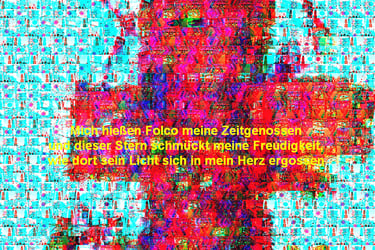
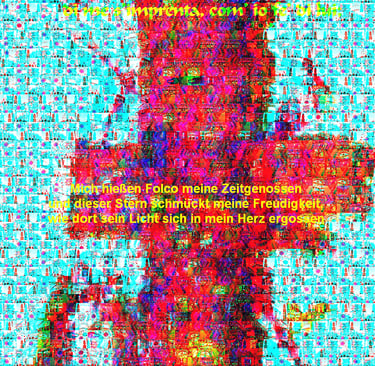
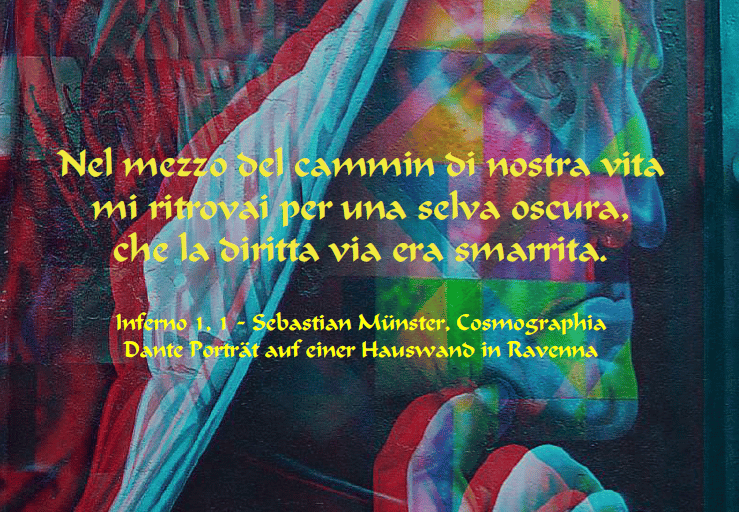
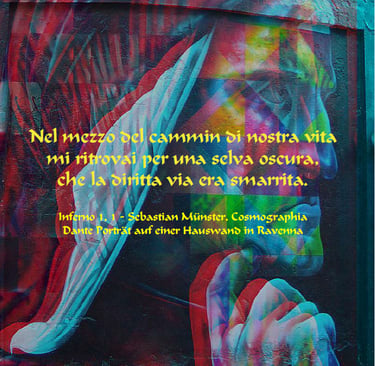
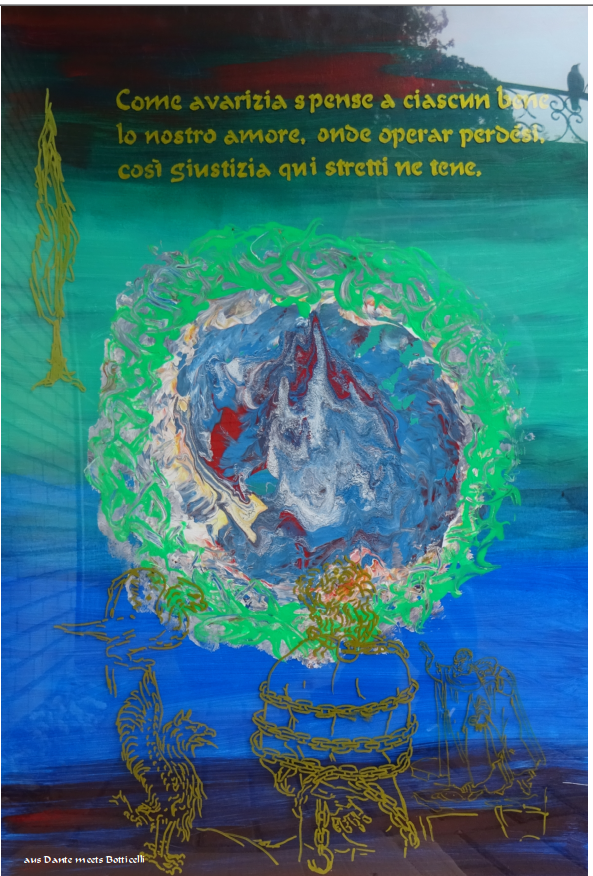
Dante and 3D-Street-art in Ravenna
Dante and Sebastian Münster
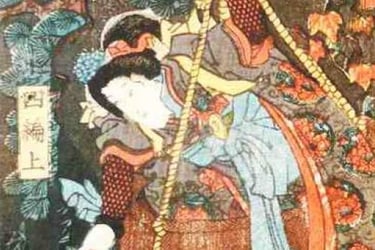
Dante und Kunitseru Utagawa
Dante meets Sandro Botticelli
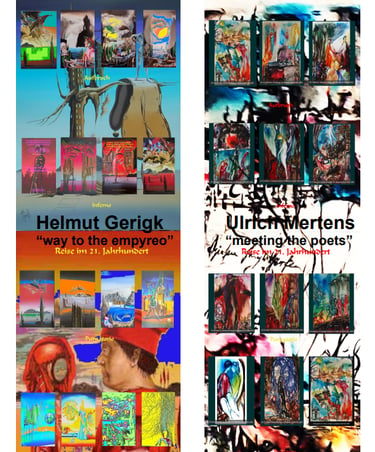
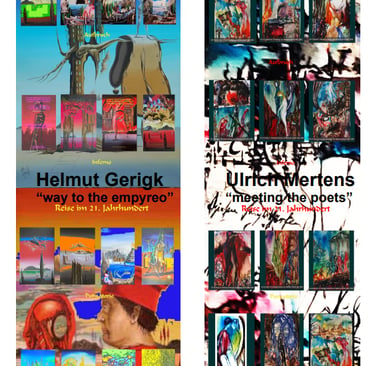
Dante and Helmut Gerigk
Dante and Ulrich Mertens

email: ceng1@gmx.de © 2026 - All rights reserved.
Das Ende der Reise - Aufstieg zum Empyreon
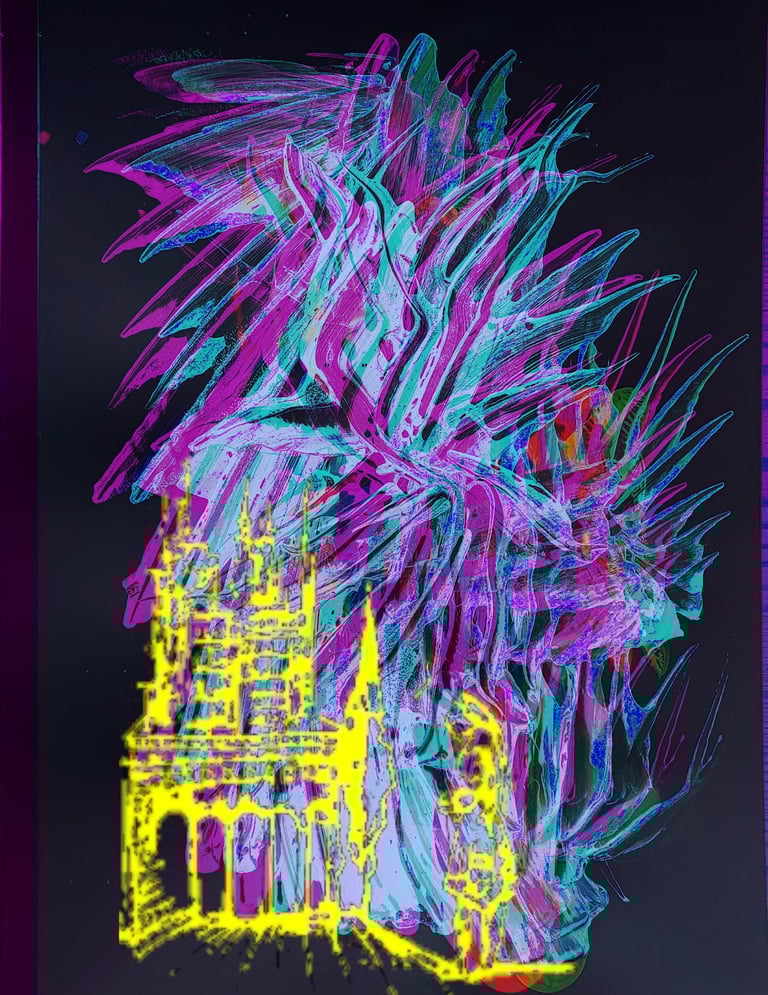
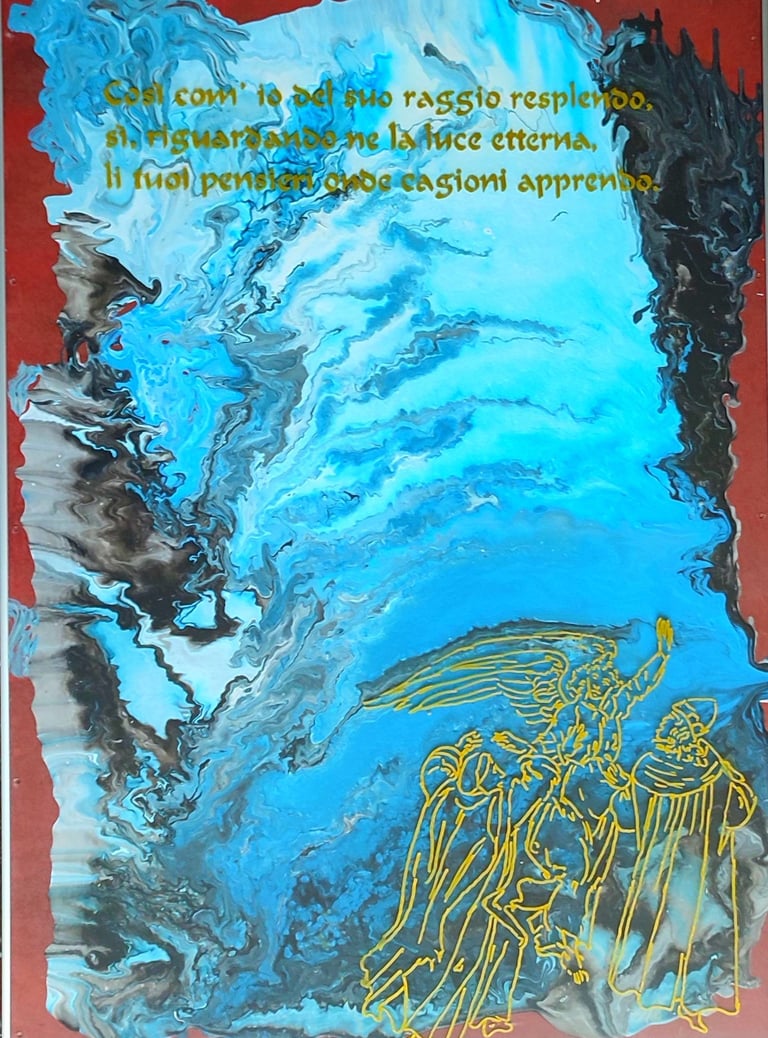
End of the journey
Psalm 90 -10
Unser Leben währet siebzig Jahre,
und wenn's hoch kommt, so sind's achtzig Jahre,
und wenn's köstlich gewesen ist, so ist es Mühe und Arbeit gewesen;
denn es fährt schnell dahin, als flögen wir davon.