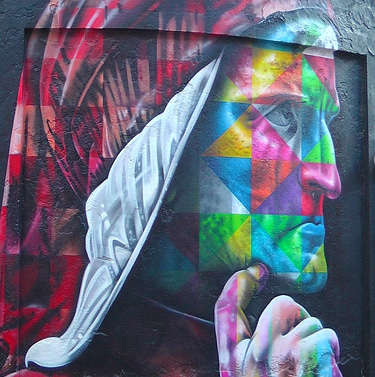

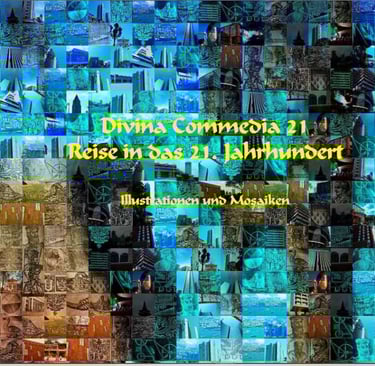
Divina Commedia 21
Reise im 21. Jahrhundert
Dantes Dichtung neu erlebt im Spiegel unserer Zeit


Tiefgründig und inspirierend
★★★★★
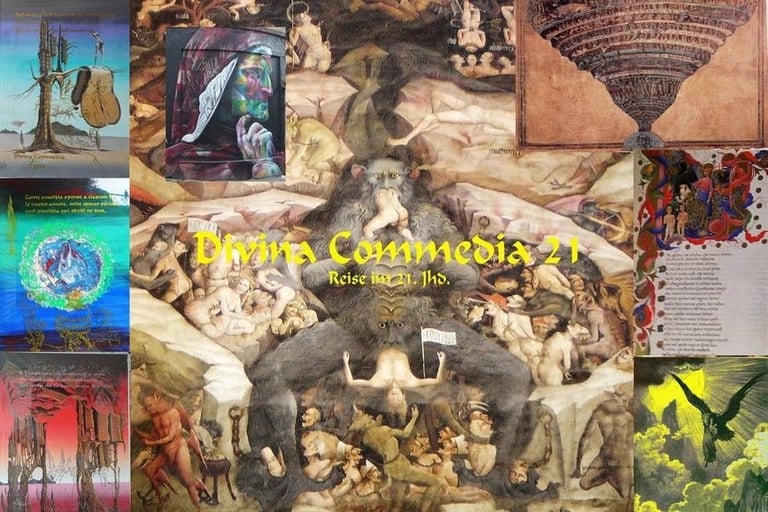
Journey in the 21. century
In the 21st century, humanity encountered a dichotomy—an era defined simultaneously by remarkable advancements in science, technology, and medicine, while grappling with the persistent shadows of terror, conflicts and wars that echoed across all continents. This paradox mirrors the allegorical journey of Dante in his divine narrative, where enlightenment is often juxtaposed with suffering and moral ambiguity. As we navigate through this century, significant breakthroughs illuminate pathways previously thought unreachable. In the realm of science, the decoding of the human genome has catalyzed revolutionary practices in genetics, enabling personalized medicine tailored to individuals’ unique biological makeups. This discovery has ushered in a new dawn for treating diseases that once seemed insurmountable, offering hope to millions afflicted by genetic disorders. Advances in CRISPR technology have revolutionized our approach to gene editing, with the potential to eradicate hereditary diseases and enhance agricultural productivity, thereby tackling food security in a globalized world. In the domain of technology, the rise of artificial intelligence has transformed industries, enhancing efficiencies in sectors ranging from healthcare to transportation. AI not only streamlines complex processes but also interrogates the boundaries between human capability and machine intelligence. Autonomous vehicles, powered by AI, are reshaping urban mobility, promising reduced traffic congestion and fewer accidents.
The integration of AI in diagnostics has led to more precise identification of diseases, improving patient outcomes while reducing healthcare costs. However, the rapid pace of development raises significant ethical questions about surveillance, privacy, and the displacement of workers, suggesting a need for a balanced discourse on the implications of such transformative tools. Medical advancements, too, have made unprecedented strides, especially in response to global health crises.
The COVID-19 pandemic, a crucible of human resilience, spurred an extraordinary acceleration in vaccine development, with mRNA technology providing a swift response to take up arms against viral threats. This rapid innovation is a testament to the collaborative spirit of scientists, healthcare workers, and organizations worldwide, highlighting the potential of global solidarity in facing common challenges. The lessons learned from this pandemic have reshaped our public health infrastructure, emphasizing the importance of preparedness for future global health emergencies.
Yet, even as we stand on the precipice of what seems like a renaissance of human potential, the specters of terror and warfare loom large. Global conflicts, often driven by ideological differences, resource scarcity, and geopolitical tensions, have erupted in various regions, casting long shadows of despair. The Middle East remains a battleground, with ongoing strife resulting in untold human suffering and displacement. In Africa, pockets of instability continue to challenge progress, as terrorist organizations exploit local grievances to perpetuate cycles of violence and fear. The impacts of these conflicts extend beyond the immediate regions, influencing global politics and economies. The refugee crisis is a poignant testament to the human cost of war, as millions are forced to flee their homes in search of safety and stability. Nations grapple with the challenges of integration, xenophobia, and the strain on resources that arise with the influx of displaced populations. The humanitarian response has called for urgent action, yet it often struggles against the tides of political polarization and public sentiment. Despite these profound trials, the resilience of humanity shines through in the face of adversity. Movements advocating for peace, justice, and equality gain momentum, driven by the voices of those who dare to dream of a better world.
Grassroots initiatives and global campaigns rally communities in solidarity, underscoring the shared responsibility we bear in fostering a more compassionate and understanding society. In the digital age, technology also serves as a double-edged sword. While it can perpetuate conflict and misinformation, the same platforms provide avenues for dialogue and reconciliation. Social media has the power to connect disparate groups, facilitating discussions that can bridge divides and cultivate empathy. The virtual realm offers possibilities for mobilization and advocacy, allowing the global community to unite against tyranny and oppression. As we reflect on these developments, the journey of Dante serves as an allegory for our own. He traversed through the complexities of sin and redemption, illuminating the human condition through his poetic lens. In the 21st century, we must also confront our own inferno—one of conflict, division, and crisis—while aspiring toward our paradisiacal potential, characterized by innovation, unity, and hope.
The 21st century might be, a testament to the duality of human nature. It could be a canvas splashed with the colors of scientific triumphs, technological revolutions, and medical miracles, yet shadowed by conflicts and the haunting specter of terror. As we endeavor to carve a path forward, we must strive to harness our potential for good, fostering a world that reflects the best of our capabilities while addressing the darker aspects of our reality. In doing so, we not only honor the legacy of thinkers ...
like Dante but also pave the way for a brighter, more enlightened future for generations yet to come.

Willkommen bei Divina Commedia 21
Wir verbinden Dantes Dichtung mit dem 21. Jahrhundert – mit Arbeiten von Schriftstellern, Künstlern, Technikern und Wissenschaftlern.
Mit Deinem Chatbot KI-Führer kannst Du über Autopilot direkt Fragen stellen und bekommst Antworten.
Copilot ist ein kostenloses Angebot von Microsoft und kann auf Deinem Handy installiert und eingerichtet werden. Am PC direkt aus Bing nach Installation eines Mikrophones am Rechner.
Berücksichtige bitte, dass Copilot noch viel zum Thema lernen muss und die Seiten erst im Aufbau sind.


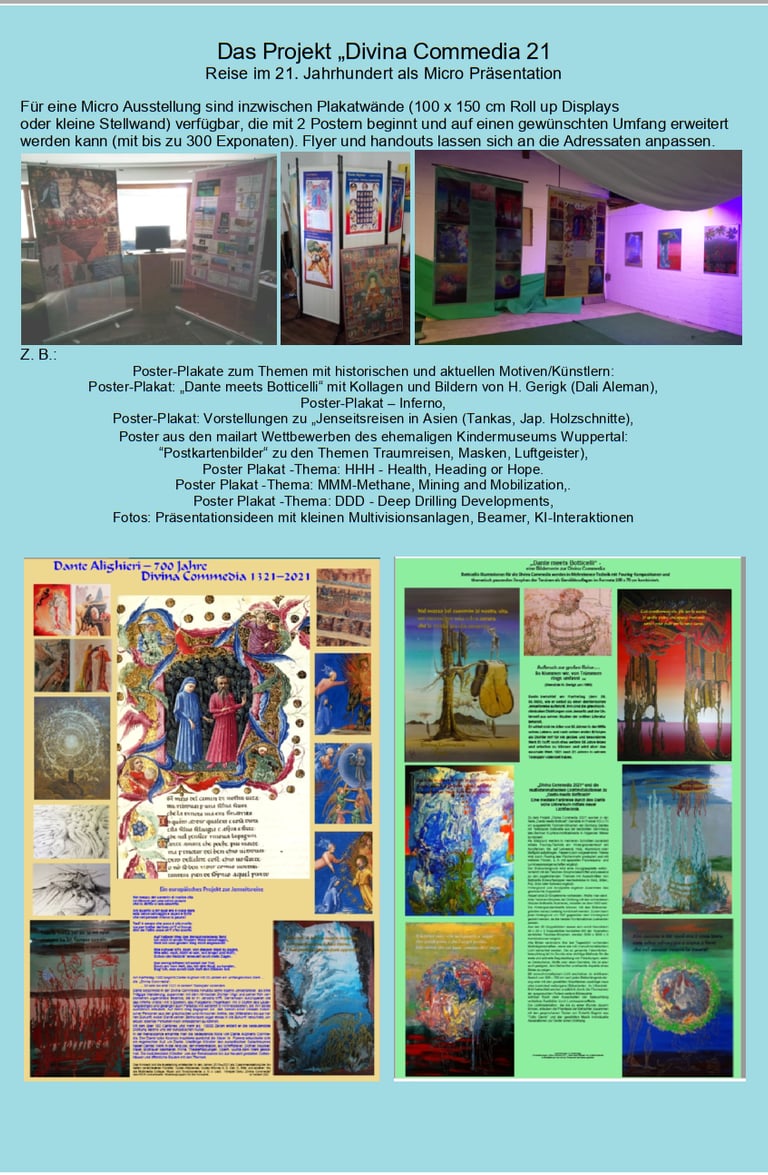
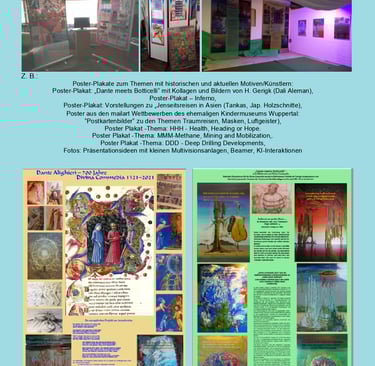
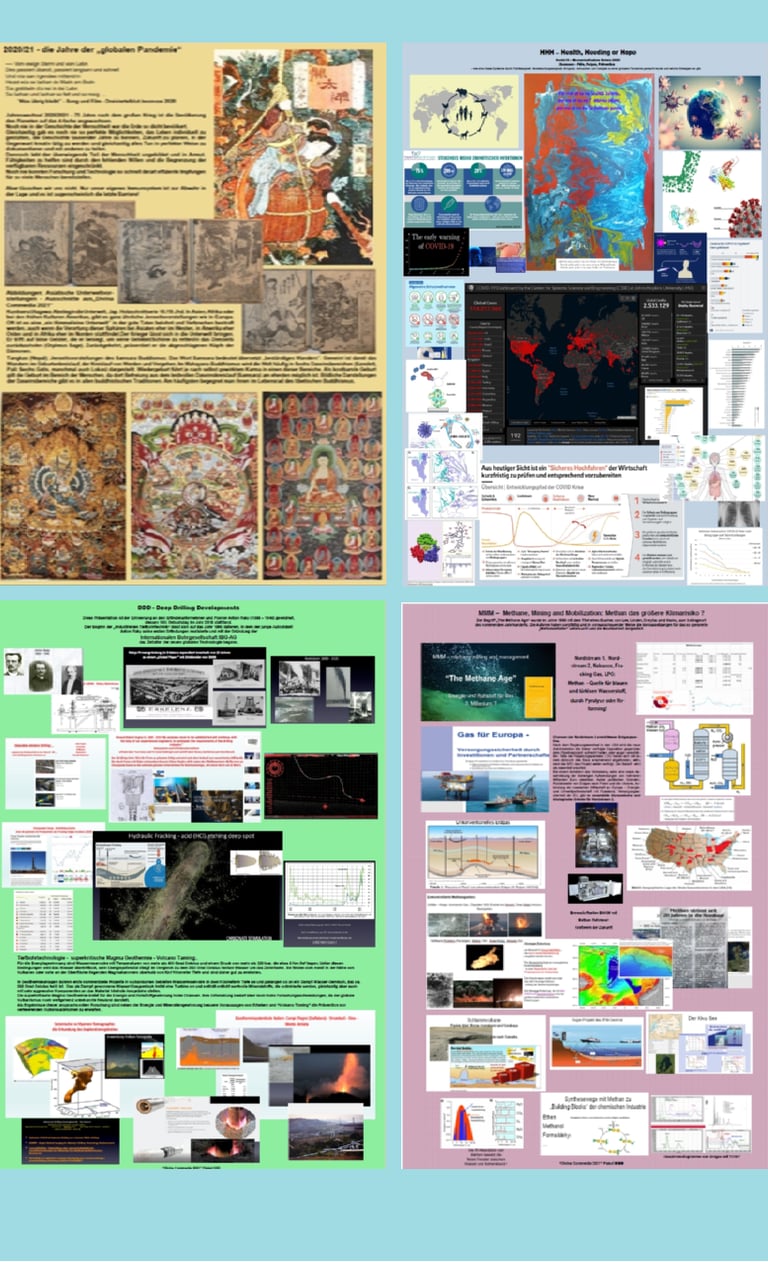

Interaktive Mosaiken - Videofilme


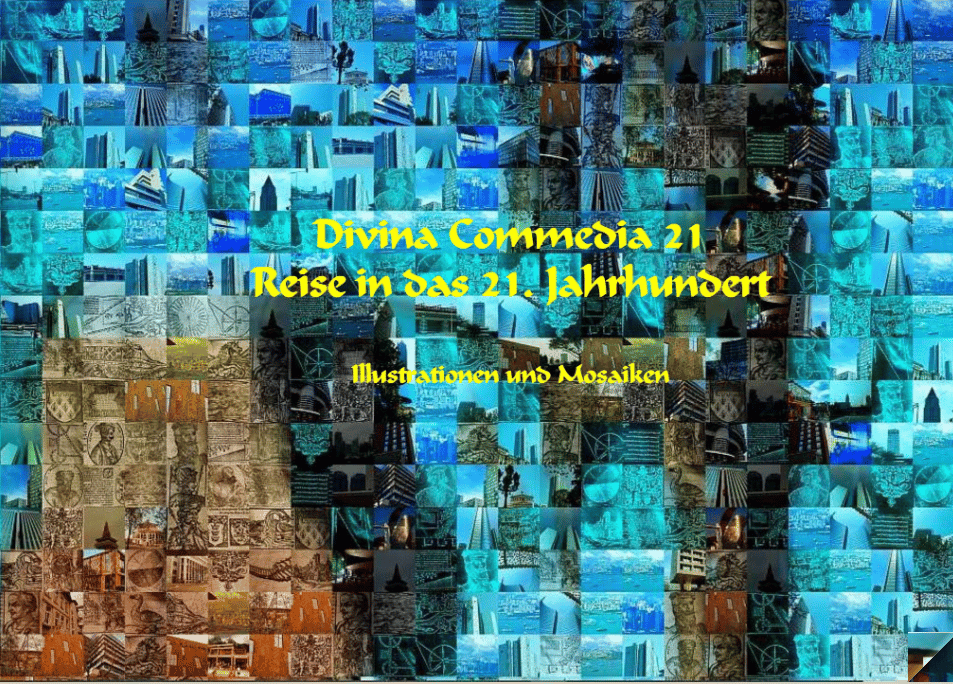
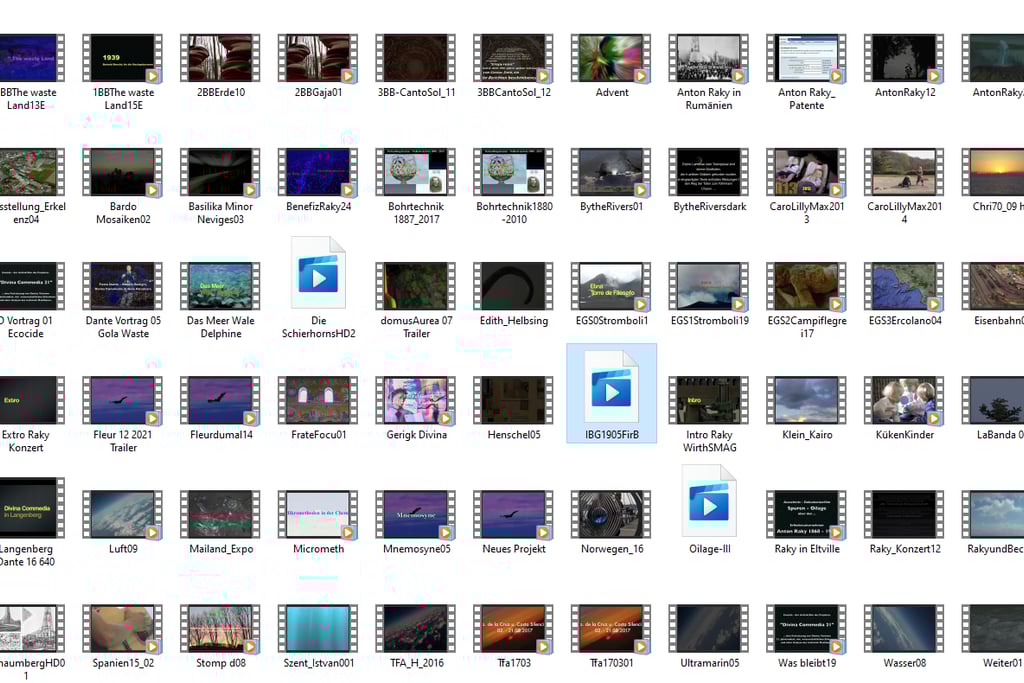
Flip-books o, Videos
können über email angefordert
werden.
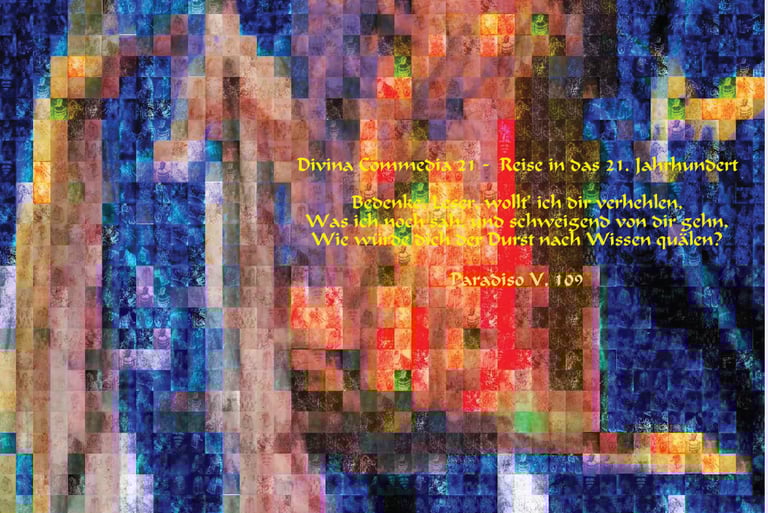
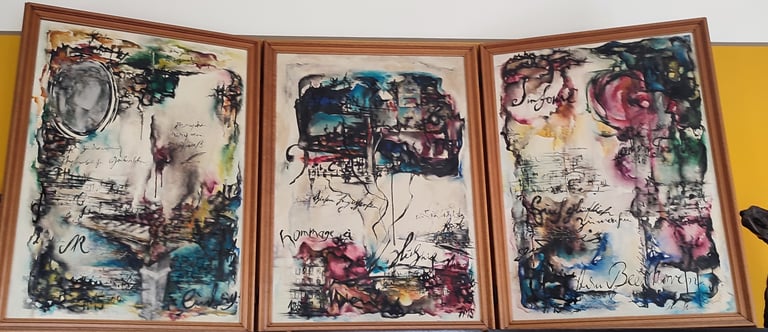
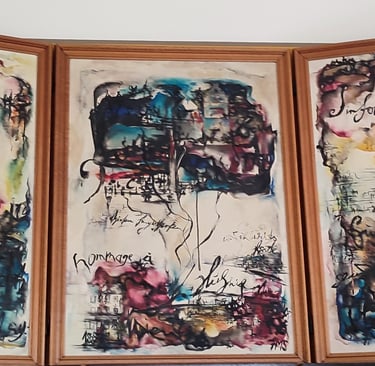
Ulrich Mertens beschreibt das Beethoven Tryptichon
Die Kommentare von Christoforo Landino im Dante Zimmermuseum
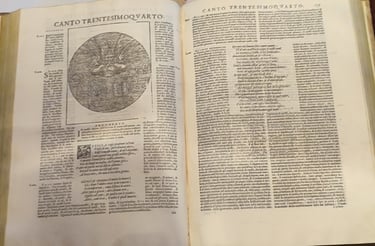
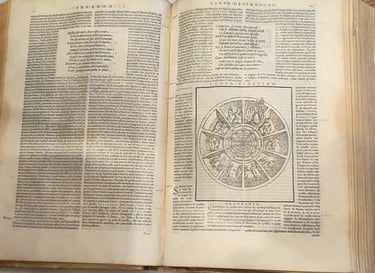
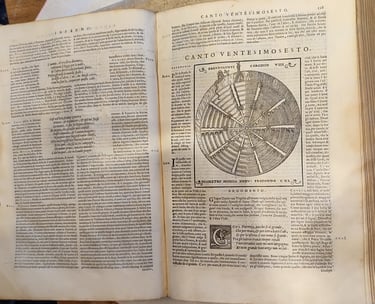
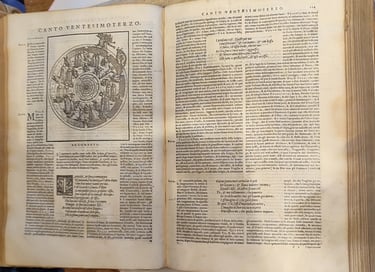
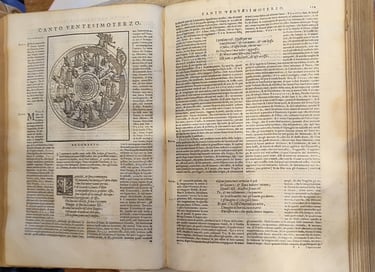
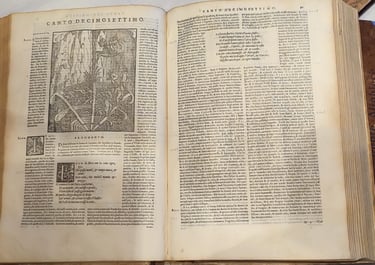
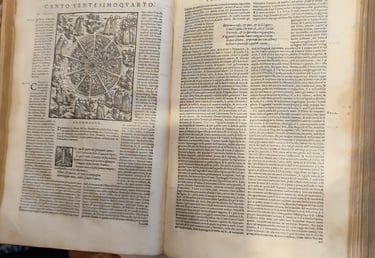
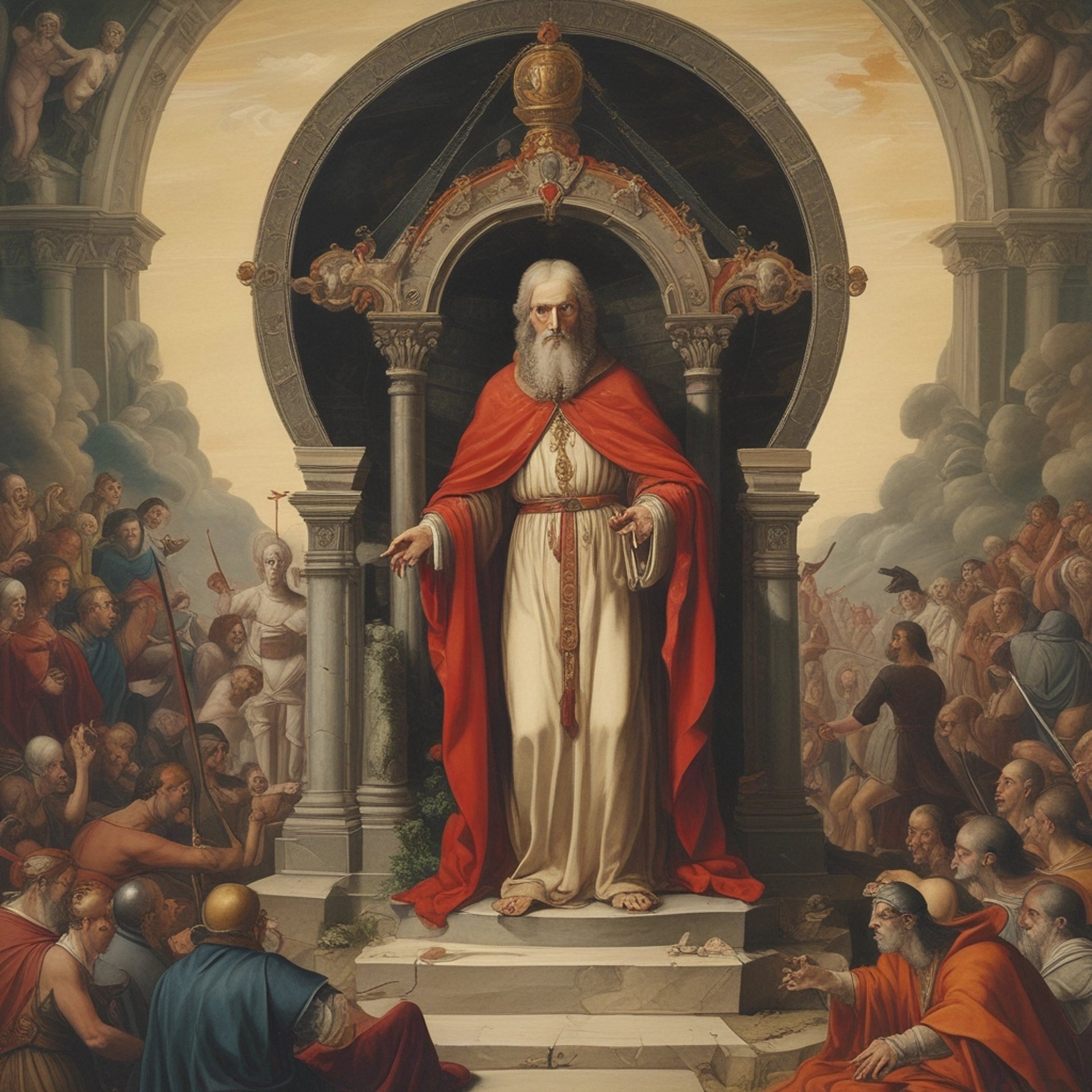
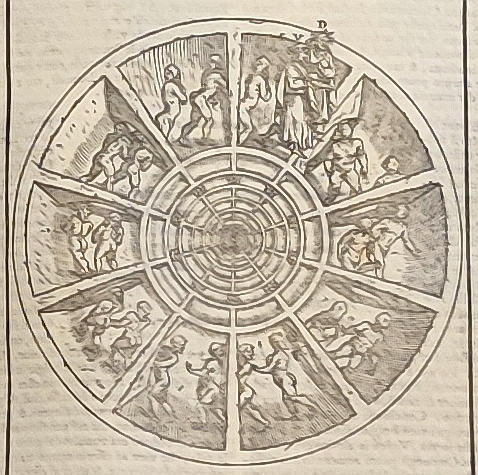
In 1455, a monumental event in the history of written communication took place: the first printed Bible was produced following Johannes Gutenberg's revolutionary invention of the printing press. This marked a significant turning point in the dissemination of knowledge, as it allowed for the mass production of texts, making literature and religious works more accessible to the general public. Before this innovation, books were painstakingly copied by hand, limiting their availability to wealthy patrons or monastic institutions. Gutenberg's printing press democratized information and laid the groundwork for the spread of ideas that would ignite the Renaissance and reform movements across Europe. Fast forward to 1481, another noteworthy development emerged in the cultural and literary landscape of Florence, Italy. That year saw the creation of an illustrated commentary on Dante Alighieri's "Divina Commedia" by the prominent humanist scholar Cristoforo Landino. This work not only showcased Landino's intellect and literary prowess but also reflected the period's burgeoning appreciation for art and literature. The commentary, adorned with exquisite illustrations, served to enhance the understanding of Dante's complex and allegorical narrative, thereby drawing more scholars and readers into the depths of this timeless masterpiece. Both the printing of the Bible and Landino's commentary represent pivotal moments in the evolution of print culture. They exemplify how the printing press catalyzed intellectual engagement and artistic expression, shaping not only the literary practices of the time but also the very frameworks of education and culture that would follow. The accessibility of text through printed materials enabled wider audiences to engage with significant works of literature, theology, and philosophy, paving the way for future innovations in print and changing the course of history forever.

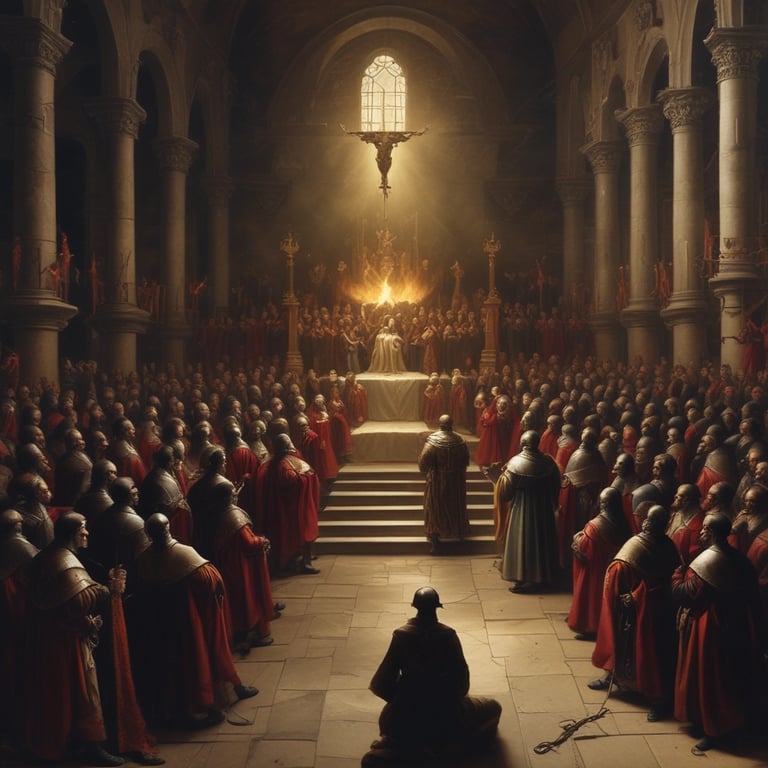
Dante und die Inquisition
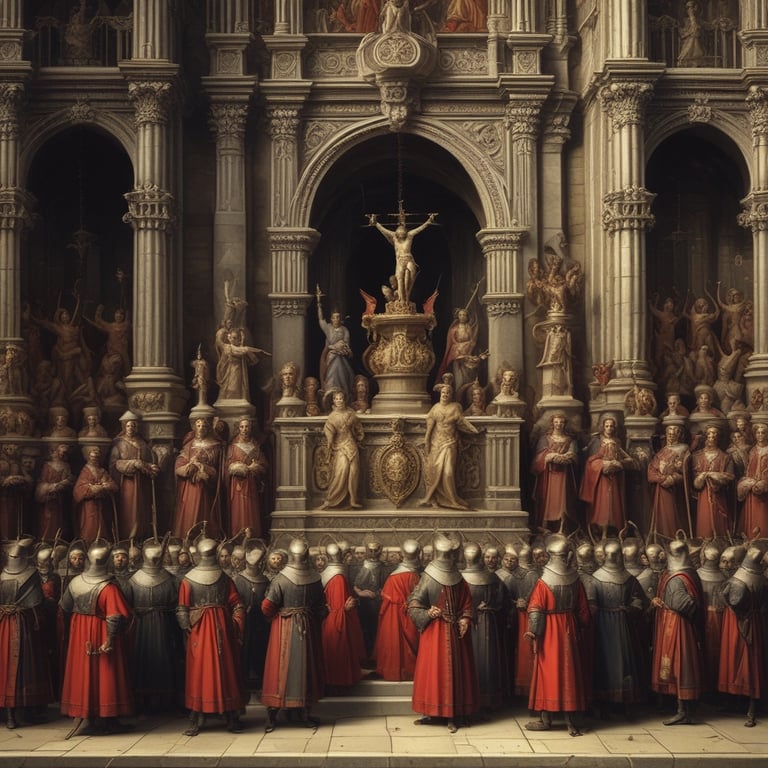
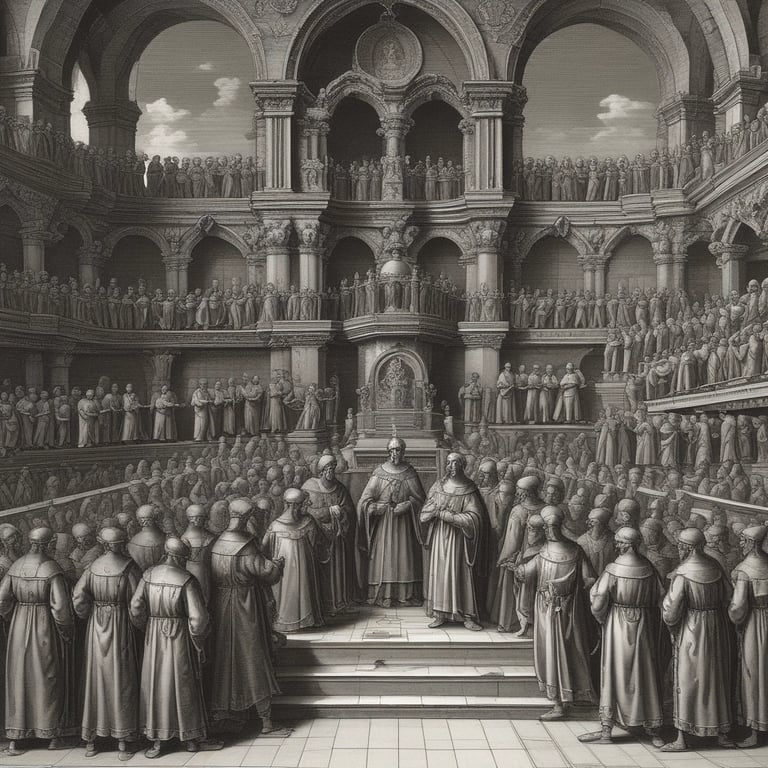
The term "Inquisition" conjures up images of intense scrutiny, relentless pursuit of heresy, and a complex interplay between faith and power. One of the most significant literary explorations of this theme is found in the works of Dante Alighieri, particularly in his epic poem, the "Divine Comedy." In this text, Dante grapples with the moral and spiritual dimensions of sin, justice, and redemption, which tie into the historical context of the Inquisition that developed later in the Middle Ages. Dante lived during a tumultuous period in Italian history, marked by political strife and the rise of the Church's power. His experiences and observations of societal injustices, including actions reminiscent of inquisitorial zeal, informed his worldview and literary creations. The Inquisition, particularly known for its role in seeking out heresy, was not fully realized until after Dante’s death; however, the seeds of such dogmatism were already prevalent in his time. In Dante's narrative, especially in the "Inferno," we encounter a meticulously ordered hell where sinners are punished in a manner reflective of their earthly transgressions. This structure can be interpreted as a critique of the judicial processes of the time, which often mirrored the harshness of inquisitorial approaches. The fervent desire for purity of faith and the eradication of heresy led to extreme measures that Dante seemingly critiques through the portrayals of figures who arrogantly held power over others’ spiritual lives. Certain characters within the "Divine Comedy" resonate with the archetype of the inquisitor: those who abused their authority, inflicted suffering, and justified their actions through rigid interpretations of doctrine. For example, Dante places many political and religious leaders in hell, illustrating the potential for corruption within the Church and state. While he does not directly reference the Inquisition—since it was not fully articulated during his lifetime—the themes present in his work nevertheless critique the moral failings associated with such organizations. Additionally, Dante’s vision of justice differs starkly from the punitive nature of the Inquisition. He emphasizes an internal moral compass and the need for personal redemption, contrasting with the external enforcement of religious doctrine that typified inquisitorial proceedings. His portrayal of sin is nuanced, suggesting that understanding and compassion are essential for true justice, rather than mere punishment. As Dante traverses through hell and purgatory, he encounters various souls suffering due to their choices, yet his encounters encourage reflection rather than condemnation. This stance starkly opposes the Inquisition's approach of rigid judgment and lack of forgiveness, suggesting a belief in the possibility of redemption rather than outright damnation. In conclusion, while Dante was not directly a victim of the Inquisition, his work critically engages with the overarching themes of authority, morality, and the human condition—elements that would later be echoes of the Inquisition's own harsh realities. Through the lens of Dante’s writings, we gain insight into the complexities of faith, sin, and the aspiration for justice, providing a rich context for analyzing the historical impacts of organizations like the Inquisition and their enduring legacy in both literature and society.
Dante Alighieri, uno dei più grandi poeti della letteratura italiana, visse un periodo di grande tumulto e cambiamento in Italia nel XIV secolo. Sebbene non sia stato direttamente perseguitato dall'Inquisizione, le sue opere e le sue opinioni furono osservate da vicino a causa della sua posizione politica e delle sue idee religiose. Dante, un uomo di fede, era anche un critico della corruzione all'interno della Chiesa e della politica dell'epoca. Questo atteggiamento, unito alle lotte tra i Guelfi e i Ghibellini, lo portò all'esilio dalla sua amata Firenze. L'Inquisizione, istituita per combattere l'eresia, può essere vista come un riflesso delle tensioni culturali e religiose del tempo. Anche se Dante non fu mai formalmente accusato davanti all'Inquisizione, la sua visione dell'aldilà nei "Commedia" fornisce un'analisi profonda delle questioni morali e delle conseguenze delle azioni umane; temi che potevano essere scomodi per i poteri religiosi e civili. Quindi, anche se non fu vittima dell'Inquisizione, l'atmosfera di sorveglianza e repressione poteva influenzare la sua opera e il suo destino. La sua espressione lirica della giustizia divina e della condanna dei peccatori potrebbe essere interpretata come una risposta diretta alle ingiustizie del suo tempo, rendendolo una figura complessa all'interno del contesto storico dell’Inquisizione. Dunque, mentre Dante non fu mai perseguitato, le sue idee e il suo destino non possono essere separati dall'influenza opprimente dell'Inquisizione e dall'indagine dei poteri su chi dissentisse dalle norme stabilite.
Le sujet d'une éventuelle implication de Dante Alighieri dans l'Inquisition est intrigant et souvent débattu parmi les chercheurs et les passionnés de littérature. Dante, poète florentin du XIVe siècle, est surtout connu pour sa célèbre œuvre, "La Divine Comédie", qui explore les thèmes de la justice, du péché et de la rédemption. Son travail a souvent été interprété comme une critique de la société de son époque, y compris de l'Église catholique. Il est important de noter que l'Inquisition, telle que nous la connaissons, a commencé à être particulièrement active à la fin du XIIe siècle et s'est intensifiée au cours des siècles suivants. Dante vivait à une époque où l'Église exerçait un contrôle considérable sur la vie intellectuelle et politique. Cela a conduit de nombreux penseurs à être ennuyés ou même persécutés pour leurs opinions. Dante lui-même était en désaccord avec certaines pratiques de l'Église, notamment la corruption et l'hypocrisie. Dans "La Divine Comédie", il ne craint pas de placer certains papes et figures ecclésiastiques dans des cercles infernaux, illustrant ainsi sa désapprobation de leurs actions. Toutefois, bien que son travail ait été audacieux et critique, il n'y a pas de preuves concrètes indiquant que Dante ait été directement accusé par l'Inquisition ou qu'il ait été sujet à son autorité. Au contraire, Dante était plus préoccupé par ses propres mésaventures politiques. Exilé de Florence, il a cherché refuge en divers endroits en Italie, naviguant dans un paysage politique tumultueux. Sa critique des institutions de son temps, y compris de l'Inquisition et de l'Église, était plus une réflexion de son moment historique qu'une indication d'une implication directe dans des poursuites inquisitoriales. Cependant, un aspect fascinant de son œuvre réside dans le fait qu'elle peut être perçue comme un défi à l'autorité établissant potentiellement une sorte de tension avec les normes imposées par l'Inquisition. Il a utilisé la poésie pour exprimer ses pensées sans compromis, créant ainsi un espace où il pouvait aborder des questions de moralité et de foi de manière profonde et réfléchie. En somme, même si Dante Alighieri n'a pas été directement impliqué dans l'Inquisition en tant que victime, son œuvre et ses critiques ont certainement interagi avec les idées qui circulaient dans ce cadre. Son héritage littéraire continue de susciter des discussions importantes sur la liberté d'expression, la moralité et le pouvoir de l'Église, reflétant la complexité de son époque et les défis auxquels il a été confronté en tant qu'esprit libre.



email: ceng1@gmx.de
© 2025. All rights reserved.
Das Ende der Reise - Aufstieg zum Empyreon
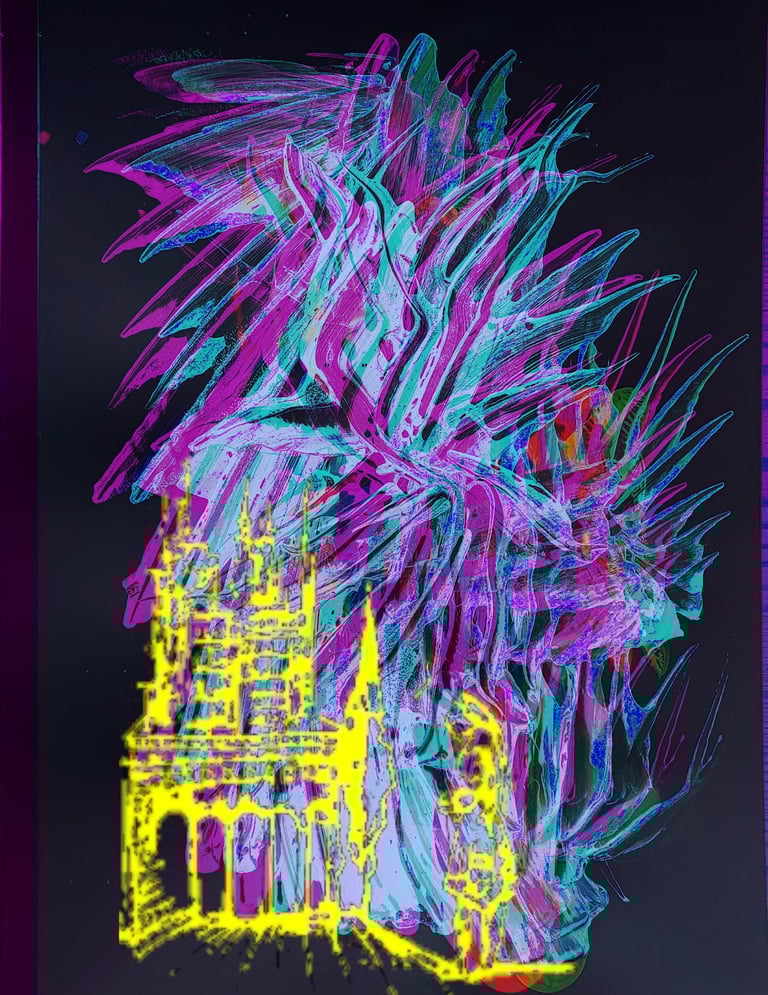
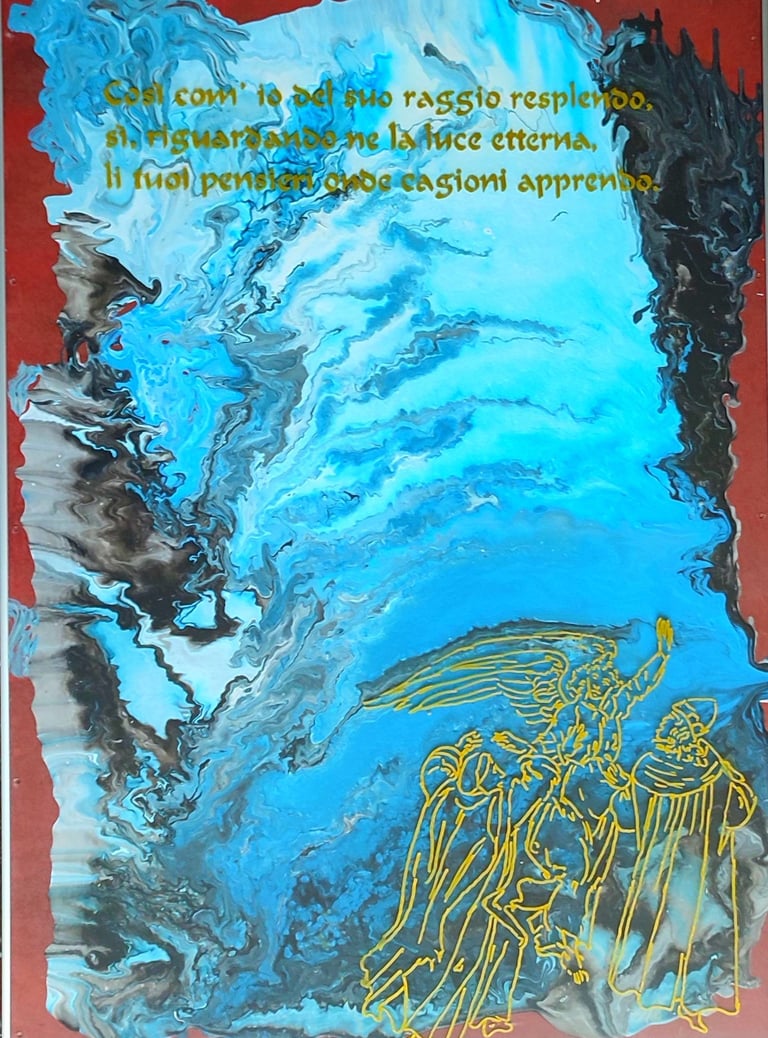
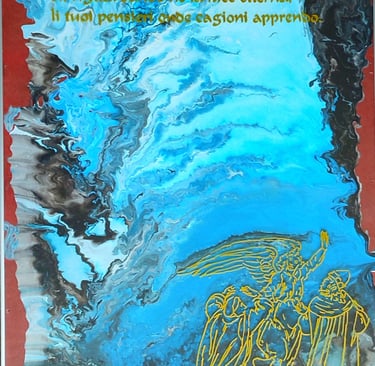
Wie, wenn ins ew'ge Licht mein Auge schaut,
mich dieses ganz mit seinem Strahl entzündet,
so ist mir deines Denkens Grund vertraut
Paradiso 11, 19