
Florenz und Pisa
zu Dantes Zeit
Florenz und Pisa zu Dantes Zeit
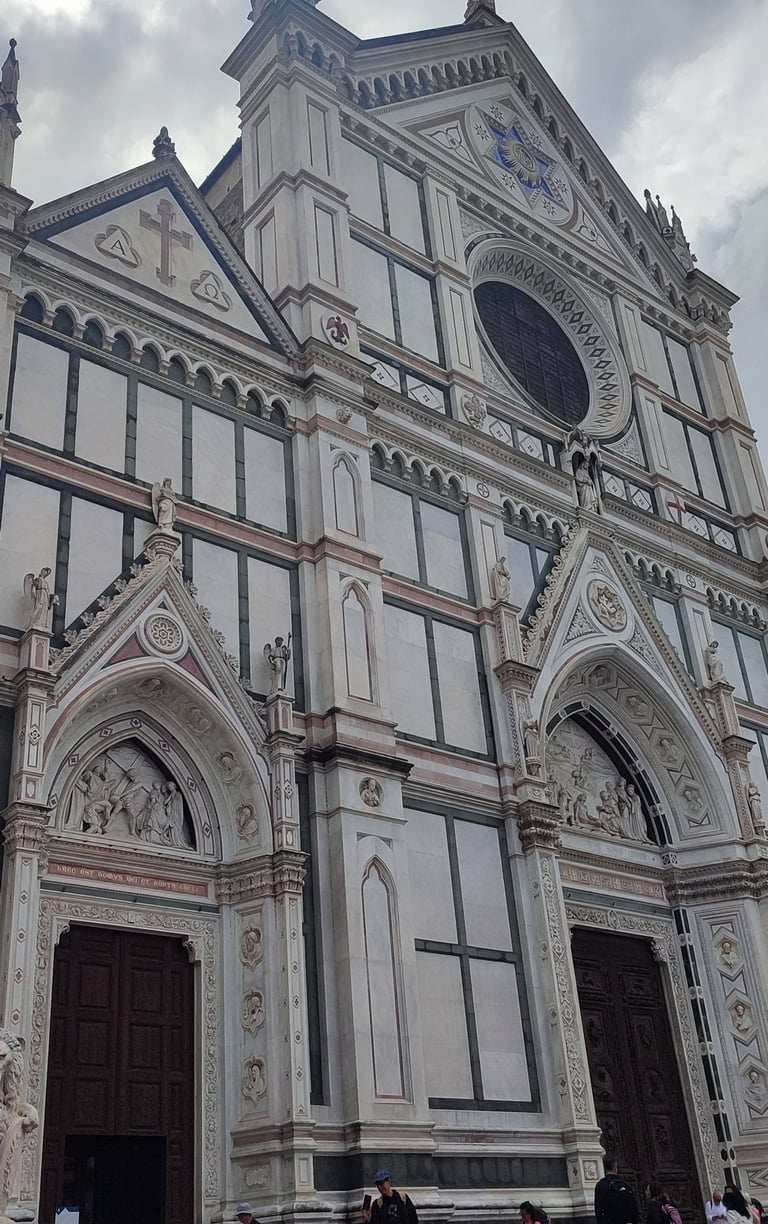
During the late 13th and early 14th centuries, the cities of Pisa and Florence represented two contrasting yet influential forces in Italian politics, culture, and economy, a period that coincided with the life and works of the great poet Dante Alighieri. Dante, born in Florence in 1265, became a central figure of the Italian literary world, and his experiences in these cities shaped much of his literary output, particularly his views on politics, society, and morality. Pisa, at that time, was a thriving maritime republic known for its significant role in trade and naval prowess in the Mediterranean. The city’s wealth was derived from its strategic location, which facilitated commerce with other Mediterranean cities and regions. Its culture was marked by impressive Gothic architecture, epitomized by the renowned Leaning Tower of Pisa and the grandeur of its cathedral complex. Pisa’s influence extended beyond trade; it was also a center for learning, notably home to one of the earliest universities in Italy, where many of the intellectual currents of the time flourished. This spirit of inquiry and the city’s rich cultural heritage provided a vivid backdrop to the events of Dante’s life, even as he would later come to criticize the moral decay he perceived in the societies around him. In stark contrast, Florence—Dante’s birthplace—was emerging as a political powerhouse during this same era. By the late 13th century, Florence had established itself as a key banking and financial hub. The city’s economy was thriving, supported by a complex system of guilds that governed trade and crafts. The rivalries between these guilds, along with the broader political struggles between the Guelphs and Ghibellines (the factions supporting the Pope and the Holy Roman Emperor, respectively), created a tumultuous political landscape. Dante himself was a Guelph, but his views on politics evolved throughout his life, leading to his eventual exile from Florence in 1302 due to factional infighting. Florence was renowned for its cultural achievements and had begun laying the groundwork for the Renaissance, embracing art and literature that celebrated human potential. This environment was rich with intellectualism, as seen in the works of contemporaries such as Giotto in painting and the poetic traditions emanating from the Tuscan dialect, a style that would later influence Dante’s own writing. The city became a crucible for ideas, fostering a spirit of innovation and humanism that would later resonate deeply through Dante’s writing in works such as “The Divine Comedy.” Dante’s experiences in both Pisa and Florence informed his poetic reflections both directly and indirectly. His criticisms of corruption, hypocrisy, and moral failing in political leaders echo the realities he witnessed in these cities. In “The Divine Comedy,” he explores themes of justice and redemption, placing various historical and contemporary figures—inclusive of those from both Pisa and Florence—within his allegorical framework of the afterlife. Dante uses his experiences to critique the socio-political issues of his time, envisioning a world where virtue is rewarded and vice is punished. Moreover, his personal journeys related to exile, the loss of political power, and the upheaval within these city-states are poignantly reflected in his narrative style. In his allegorical journey through Hell, Purgatory, and Paradise, Dante confronts the very societal issues that plagued Florence and Pisa, making them emblematic of the larger human condition. Ultimately, the historical contexts of Pisa and Florence during Dante’s time are not only significant in understanding his life and works but also representative of the broader socio-political and cultural transformations taking place in Italy. These cities, with their unique identities and dynamic conflicts, serve as crucial backdrops that shaped a literary master whose themes still resonate today. Through Dante’s lens, the complex interplay of power, spirituality, and morality continues to inspire exploration long after his time.


ceng1@gmx.de
© 2025. All rights reserved.
Das Ende der Reise