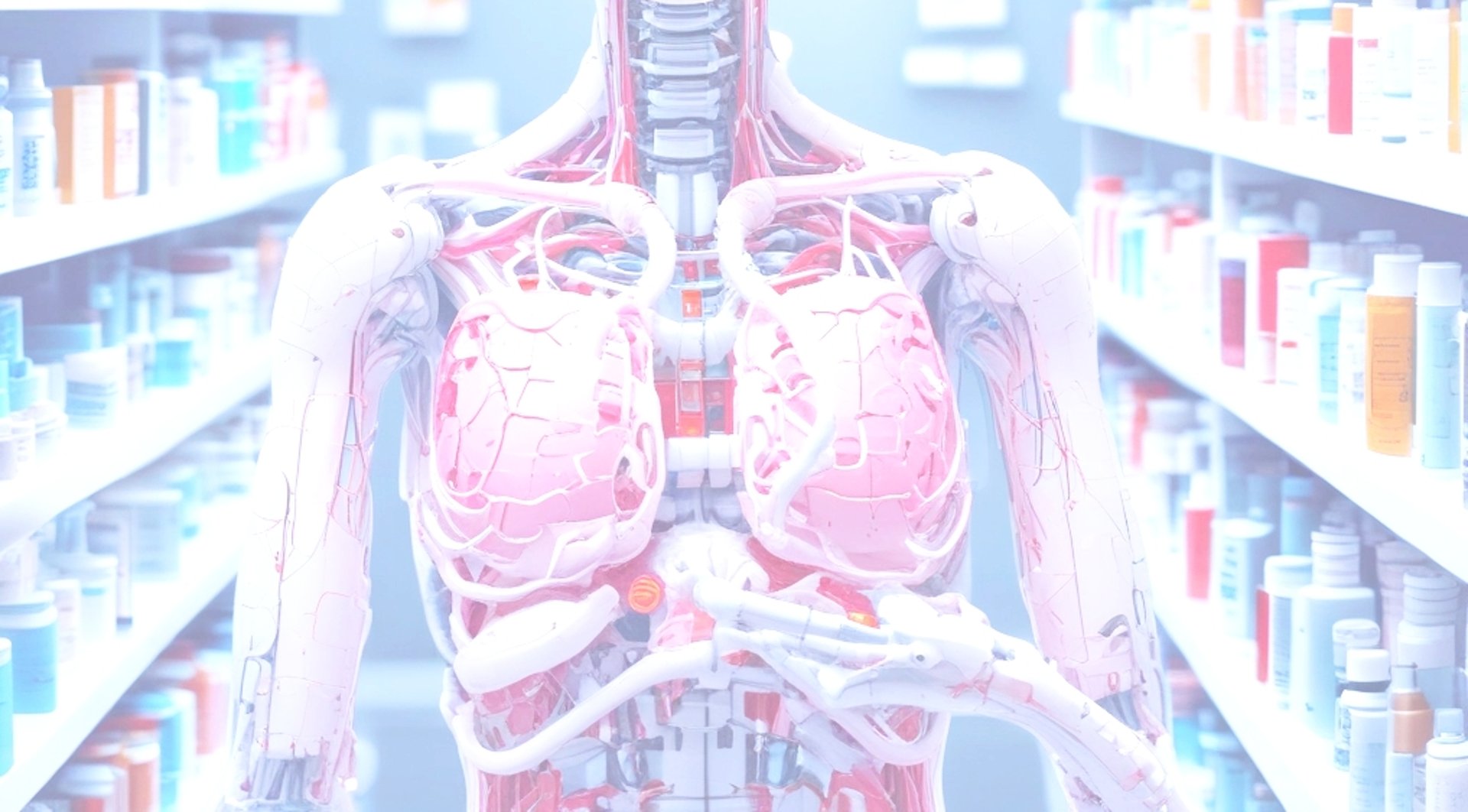
KI trifft Medizin und Pharmazie
Präzise Diagnosen und smarte Pharmazielösungen für Ihre Gesundheit
Ki – Diagnostics in Medicine: Current Approaches and Future Prospects
Introduction In recent years, the integration of artificial intelligence (AI) in the field of medicine has opened new horizons for diagnostics. The application of machine learning, deep learning, and other AI methodologies is revolutionizing how healthcare providers diagnose and treat diseases. This text explores current approaches to AI diagnostics in medicine and investigates future prospects that could redefine patient care. Current Approaches to AI Diagnostics
1. Image Analysis: One of the most advanced applications of AI in medical diagnostics is in image analysis, particularly through the use of deep learning algorithms. Radiology, pathology, and ophthalmology are just a few specialties benefiting from these technologies. AI systems can analyze medical images for signs of diseases faster and sometimes more accurately than human experts. For instance, Google's DeepMind has developed AI models that can detect eye diseases from retinal scans with remarkable precision.
2. Predictive Analytics: AI is utilized in predictive analytics to anticipate disease outbreaks, patient deterioration, or responses to treatment. Machine learning algorithms can analyze vast datasets, identifying patterns that might elude human practitioners. For example, predictive models have been implemented in cardiology to evaluate risk factors for heart attacks based on patient history and biometrics.
3. Natural Language Processing (NLP): Another facet of AI in diagnostics is Natural Language Processing, which is employed to analyze unstructured data in electronic health records (EHRs). This capability allows for the extraction of meaningful insights from clinical narratives, potentially identifying conditions that may not have been initially recognized during patient evaluations.
4. Genomic Diagnostics: AI's role in genomics is rapidly expanding. By analyzing genomic data, AI can help pinpoint mutations responsible for diseases, enabling personalized medicine tailored to individual genetic profiles. Tools that employ machine learning for genomic diagnostics are assisting oncologists in identifying specific cancer-related mutations, allowing for more targeted therapies.
5. Wearable Technology: The rise of wearable health devices, like smartwatches that monitor heart rates and detect anomalies, is another emerging strategy for diagnostics. AI algorithms process real-time data collected from these devices, providing instantaneous feedback and alerting healthcare professionals when intervention may be necessary. Challenges in Current AI Diagnostics Despite the remarkable potential of AI in diagnostics, several challenges must be addressed: - Data Quality and Availability: Effective AI diagnostics require large, high-quality datasets. Inconsistent data formats and a lack of comprehensive datasets can hinder AI model training and performance. - Bias: AI systems can inadvertently learn biases present in training data, leading to skewed outcomes. Diversity in data representation is essential for creating equitable AI systems in healthcare. - Regulatory Hurdles: The healthcare industry is highly regulated, and introducing AI technologies into clinical settings raises questions about safety, efficacy, and accountability. Regulatory frameworks must adapt to keep pace with the rapid evolution of technology. - Integration into Clinical Workflow: For AI diagnostics to be effective, they must integrate seamlessly into existing clinical workflows, which requires significant changes in both technology and culture within healthcare organizations.
Future Prospects As technology continues to advance, the future of AI diagnostics in medicine looks promising:
1. Increased Personalization: The future will likely see a shift towards more personalized diagnostics, with AI providing highly individualized insights. This includes analyzing patient data in conjunction with environmental and lifestyle factors to assess and predict health outcomes better.
2. Enhancements in Accuracy: Ongoing research in AI aims to improve the accuracy of diagnostic tools, reducing false positives and negatives. By combining multiple AI technologies, such as image recognition and NLP, we can create more robust diagnostic workflows.
3. Real-Time Diagnostics: The integration of AI with the Internet of Things (IoT) may lead to real-time diagnostic capabilities. Continuous monitoring of patients' health through connected devices could allow healthcare professionals to respond proactively to emerging health issues.
4. Augmented Decision-Making: Future AI systems will likely act as augmented intelligence tools for healthcare providers rather than replacing human expertise. By synthesizing vast amounts of data, AI can assist physicians in making more informed decisions about diagnoses and treatment plans.
5. Global Health Implications: AI diagnostics could potentially improve access to healthcare in underserved regions. With mobile technology and AI, remote diagnostics could reach populations that previously lacked adequate medical resources. Conclusion The integration of artificial intelligence into medical diagnostics presents an exciting frontier in healthcare. Current approaches are already yielding promising results, but significant challenges must be addressed to ensure widespread and equitable implementation.
Looking ahead, AI's role in diagnostics promises not only enhanced accuracy and efficiency but also the potential to transform patient care paradigms. By embracing this technology thoughtfully and responsibly, the medical community can leverage AI to improve health outcomes for individuals and populations alike.
Artificial Intelligence (AI) in Pharmacy: Current Approaches in Drug Discovery and Future
Prospects Introduction Artificial Intelligence (AI) has become a transformative force in various sectors, including healthcare and pharmaceuticals. The intersection of AI and drug discovery offers unprecedented opportunities to accelerate research, improve accuracy, and enhance the overall effectiveness of the pharmaceutical industry. This text explores current approaches to integrating AI in drug discovery, examines successful case studies, and discusses future expectations in pharmaceutical research.
Current Approaches in Drug Discovery
1. Data Mining and Predictive Analytics AI systems utilize large datasets from clinical trials, chemical libraries, and biological research to identify potential drug candidates. Machine learning algorithms can analyze historical data to predict the efficacy and safety of compounds, significantly reducing the time and costs associated with traditional drug discovery processes.
2. Molecular Design and Structure Prediction AI technologies such as deep learning are employed to predict molecular behavior and interactions. For instance, Generative Adversarial Networks (GANs) and Convolutional Neural Networks (CNNs) are extensively used to model new drug compounds by predicting their three-dimensional structures, thus aiding in the design of molecules with optimized properties.
3. Virtual Screening AI-driven virtual screening technologies allow researchers to sift through vast libraries of compounds to identify those most likely to bind to a specific biological target. This method improves the hit rate of lead compounds, significantly narrowing the focus to those with the highest potential.
4. Personalized Medicine AI is crucial in advancing personalized medicine, where treatments are tailored to individual patients based on genetic information and other factors. AI systems analyze genomic data to identify biomarkers that can predict how patients respond to specific drugs, leading to more effective and less toxic treatment options.
5. Clinical Trials Optimization AI also plays a pivotal role in optimizing clinical trials. Through predictive modeling,
AI can identify suitable patient populations, streamline eligibility criteria, and minimize dropout rates. This reduces the time required to bring drugs to the market and enhances the likelihood of successful outcomes. Successful Case Studies 1. Insilico Medicine This biotechnology company uses AI algorithms to identify potential drug candidates for various diseases, including cancer and age-related diseases. Insilico Medicine has successfully developed a new drug candidate for fibrosis through its AI-driven drug discovery platform, demonstrating a significant reduction in development time compared to traditional methods.
2. Atomwise Atomwise employs AI to facilitate drug discovery by utilizing deep learning to predict how different molecules will interact with specific proteins. Their platform has been instrumental in identifying potential treatments for various diseases, including Ebola and multiple sclerosis, showcasing the technology's versatility and effectiveness. 3. BenevolentAI Founded in 2013, BenevolentAI harnesses AI to explore disease mechanisms and discover novel drug candidates. They gained recognition for their work in identifying a potential treatment for COVID-19, illustrating how AI can expedite the response to emerging health crises.
Future Prospects in Pharmaceutical Research
1. Integration of AI and Robotics The future of drug discovery may see further integration of AI with robotics to automate laboratory processes. Robotic systems guided by AI could conduct syntheses, screenings, and testing of compounds with minimal human intervention, leading to faster and more efficient research timelines.
2. Enhanced Collaboration and Data Sharing As pharmaceutical companies increasingly recognize the value of AI, future prospects may include enhanced collaboration and data sharing among institutions. Shared datasets and collaborative platforms can improve model accuracy, leading to more meaningful discoveries.
3. Regulatory Challenges and Safe AI Use As AI becomes more prevalent in drug discovery, navigating regulatory challenges will be crucial. Regulatory bodies will need to establish guidelines for evaluating the safety and efficacy of AI-designed drugs, ensuring the new technologies meet strict standards.
4. Broadening the Scope of Drug Discovery Future AI applications may extend beyond traditional pharmaceuticals to explore biologics, gene therapies, and vaccines. AI's ability to integrate and analyze complex biological data may open up entirely new categories of treatments that were previously unattainable.
5. Ethical Considerations and Bias Mitigation Future developments will also need to address ethical implications surrounding AI in healthcare. Ensuring that AI systems do not propagate biases present in training data will be vital for achieving equitable healthcare outcomes. Conclusion Artificial Intelligence is reshaping the landscape of drug discovery through innovative approaches that enhance efficiency and effectiveness. With ongoing advancements in technology and methods,
AI promises to play a vital role in the future of pharmaceutical research, potentially revolutionizing how we discover and develop new treatments. The path ahead will undoubtedly include challenges, but the integration of AI within the pharmaceutical sector holds immense potential for improving health outcomes globally.
Coming
KI-gestützte Diagnostik und Pharmazie für bessere Gesundheit.


Diagnosehilfe
Präzise KI-Analysen unterstützen Ärzte bei Diagnosen.
Medikamentenentwicklung
Schnellere Entwicklung durch intelligente Algorithmen.
Patientenmonitoring
Kontinuierliche Überwachung für individuelle Therapie.
Häufige Fragen
Was ist KI-Medizin?
KI-Medizin nutzt künstliche Intelligenz zur Diagnose und Behandlung.
Wie funktioniert Diagnostik mit KI?
Algorithmen analysieren Patientendaten für schnellere und genauere Diagnosen.
Wie hilft KI in der Pharmazie?
KI unterstützt bei der Medikamentenentwicklung und erkennt mögliche Nebenwirkungen frühzeitig.
Ist der Datenschutz gewährleistet?
Ja, alle Daten werden sicher und vertraulich behandelt.
Wer nutzt diese KI-Lösungen?
Ärzte, Kliniken und Pharmaunternehmen profitieren davon.
Welche Vorteile bietet KI in der Medizin?
Schnellere Diagnosen, personalisierte Therapie und effizientere Arzneimittelentwicklung verbessern Patientenversorgung.

Kontakt
Fragen zu KI in Medizin und Pharmazie? Schreiben Sie uns.
email: ceng1@gmx.de © 2026 - All rights reserved.
Das Ende der Reise - Aufstieg zum Empyreon
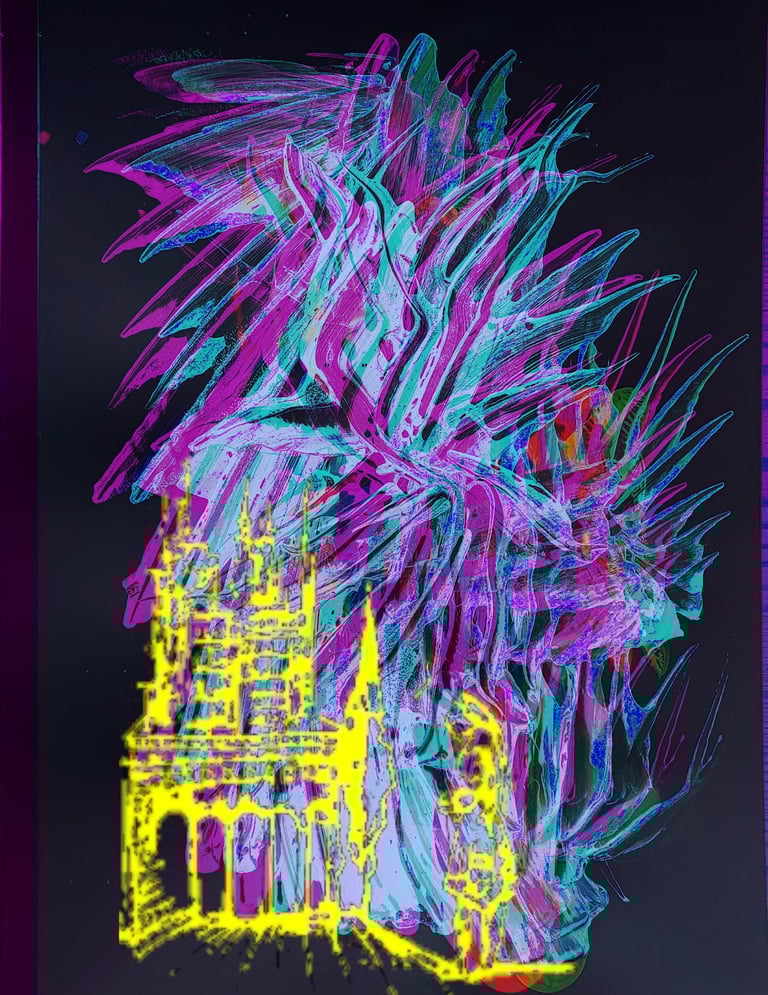


End of the journey
Psalm 90 -10
Unser Leben währet siebzig Jahre,
und wenn's hoch kommt, so sind's achtzig Jahre,
und wenn's köstlich gewesen ist, so ist es Mühe und Arbeit gewesen;
denn es fährt schnell dahin, als flögen wir davon.