Medien und Dokumentarfilme - Interaktion in der Gesellschaft
Medien und Dokumentarfilme
In einer zunehmend digitalen Welt spielen Medien eine entscheidende Rolle bei der Informationsvermittlung und der Bildung gesellschaftlicher Perspektiven. Dokumentarfilme sind besonders wertvoll, da sie das Potenzial haben, wichtige Themen auf ansprechende Weise zu beleuchten und das öffentliche Bewusstsein zu schärfen. Diese audiovisuelle Kunstform fördert nicht nur das Verständnis komplexer Themen, sondern regt auch zu Interaktionen innerhalb der Gesellschaft an.
Die Rolle von Dokumentarfilmen in der Öffentlichkeitsarbeit
Dokumentarfilme dienen als Brücke zwischen dem Publikum und den Themen, die oft im Schatten der Mainstream-Medien stehen. Sie ermöglichen es Zuschauern, neue Perspektiven zu gewinnen und regen kritisches Denken an. Filme wie „13th“ oder „Planet Earth“ präsentieren Informationen auf eine Weise, die das Publikum emotional anspricht und zum Nachdenken anregt. Dies führt zu einer verstärkten Interaktion, sei es durch Diskussionen, Bildungsinitiativen oder Engagement in sozialen Bewegungen.
Interaktionen fördern durch Medieninhalte
Die Art und Weise, wie Medien und Dokumentarfilme konzipiert sind, beeinflusst die Art der Interaktionen, die sie hervorrufen. Interaktive Dokumentationen, die den Zuschauern erlauben, aktiv in die Erzählung einzutauchen, haben das Potenzial, die Zuschauerbindung zu erhöhen. Diese interaktive Form steigert nicht nur das Engagement, sondern fördert auch die Diskussion über relevanten Themen in den sozialen Medien und darüber hinaus. Als Ergebnis können die Zuschauer ihre Erfahrungen und Gedanken teilen, was zu einer breiteren Diskussion und einem tieferen Verständnis der behandelten Themen führt.
Zusammenfassend lässt sich sagen, dass Medien und Dokumentarfilme unverzichtbare Werkzeuge sind, um die Interaktion in der heutigen Gesellschaft zu fördern. Sie bieten nicht nur Informationen, sondern auch eine Plattform, auf der Zuschauer sich engagieren und ihre Ansichten austauschen können. In einer Zeit, in der die Gesellschaft immer mehr fragmentiert ist, helfen uns diese Formate, wieder in einen dialogischen Austausch zu treten und gemeinsame Anliegen zu adressieren.
In today's society, multimedia plays a crucial role in fostering interactions across various platforms, significantly transforming how we communicate, learn, and share experiences. From social media to virtual reality, the integration of diverse content forms — such as text, audio, images, and video — has created a rich tapestry of interaction that both reflects and shapes societal norms. The Role of Social Media Social media platforms are perhaps the most visible example of multimedia-driven interaction. Platforms like Facebook, Instagram, and Twitter have revolutionized how individuals connect with each other. Users not only share their thoughts through text but also convey emotions through images and videos, enhancing the depth of communication. For instance, a simple status update can be complemented with a photo or a video clip, allowing users to express themselves more fully. This interactive feature encourages engagement, as followers can like, comment, and share, creating a dialogue that transcends geographical boundaries. Moreover, platforms like TikTok and YouTube allow users to create and consume video content, leading to new forms of engagement that are both entertaining and informative. Online Learning and Collaboration Multimedia also plays a pivotal role in education. The shift towards online learning has underscored the importance of varied content forms in teaching and collaboration. Educators utilize videos, podcasts, and interactive simulations to cater to different learning styles, making education more accessible and engaging. For example, science classes may incorporate virtual labs where students can conduct experiments in a controlled digital environment. This multimedia approach not only aids comprehension but also encourages collaboration among students. Collaborative tools like Google Docs allow users to work on shared projects in real-time, providing a dynamic forum for discussion and creativity. Entertainment and Gaming The impact of multimedia on entertainment, particularly in the gaming industry, is profound. Video games combine graphics, audio, and interactivity in ways that engage players on multiple levels. The advent of augmented reality (AR) and virtual reality (VR) has taken this interaction to new heights, creating immersive environments where players can interact not just with the game, but also with each other. In games like "Fortnite" or "Among Us," players engage in cooperative gameplay or strategic competition, often forming communities that extend beyond the digital realm into real-world friendships. This demonstrates how multimedia can create social bonds through shared experiences. Digital Activism and Community Building Multimedia also plays a significant role in advocacy and social movements. Activists use platforms like Instagram and Twitter to spread awareness and mobilize support for various causes. Hashtags, infographics, and video content have become powerful tools for engagement, allowing movements like Black Lives Matter and climate action to gain global traction. By combining emotional storytelling with compelling visuals, these initiatives not only inform but also motivate communities to take action. The interaction fostered through multimedia empowers individuals to collectively address injustice, thereby shaping public sentiment and policy. The Challenges of Multimedia Interaction Despite its many benefits, the rise of multimedia interaction also presents challenges. The sheer volume of content available can lead to information overload, making it difficult for individuals to discern credible information from misinformation. Furthermore, the addictive nature of some social media platforms raises concerns about mental health and the quality of interpersonal relationships. As individuals spend more time engaging with multimedia content, the risk of reducing face-to-face interactions increases, potentially leading to feelings of isolation. The Future of Multimedia Interactions As society continues to evolve, the role of multimedia in fostering interaction is likely to expand further. Advances in technology such as artificial intelligence and machine learning promise to enhance personalization in how content is delivered and consumed. Furthermore, the ongoing development of immersive technologies like virtual and augmented reality will create new avenues for interaction, allowing individuals to experience events and environments in unprecedented ways. In summary, multimedia is an integral part of contemporary society, affecting how we interact with one another. From social media engagement and collaborative learning to gaming experiences and advocacy, the multifaceted nature of multimedia drives interactions that are richer and more engaging than ever before. As we navigate the benefits and challenges of this evolving landscape, it is essential to harness the power of multimedia responsibly, ensuring that it serves to enhance rather than diminish our connections with one another.


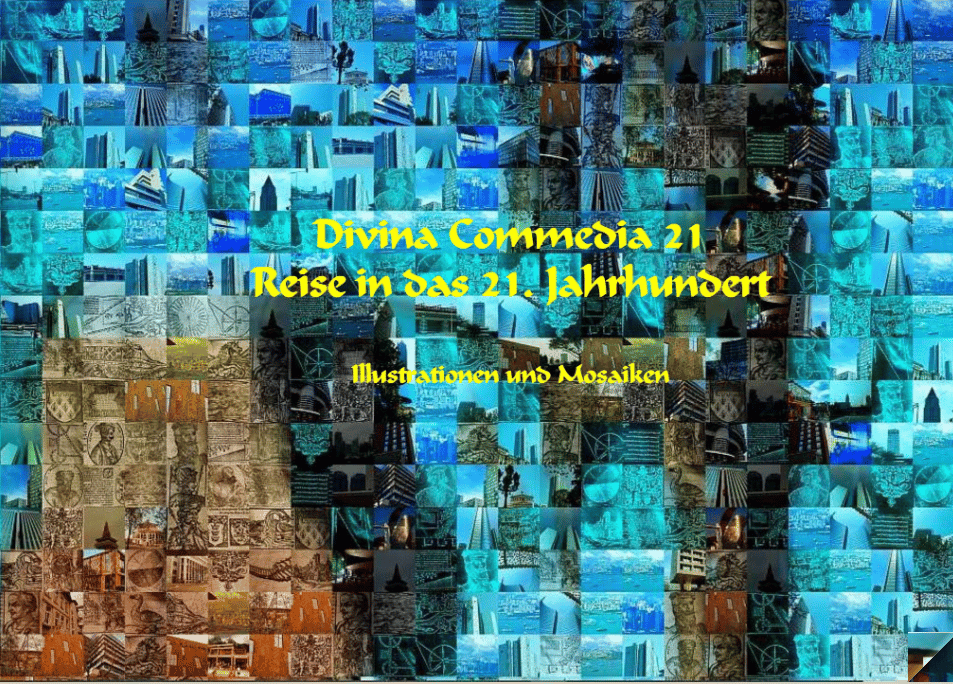
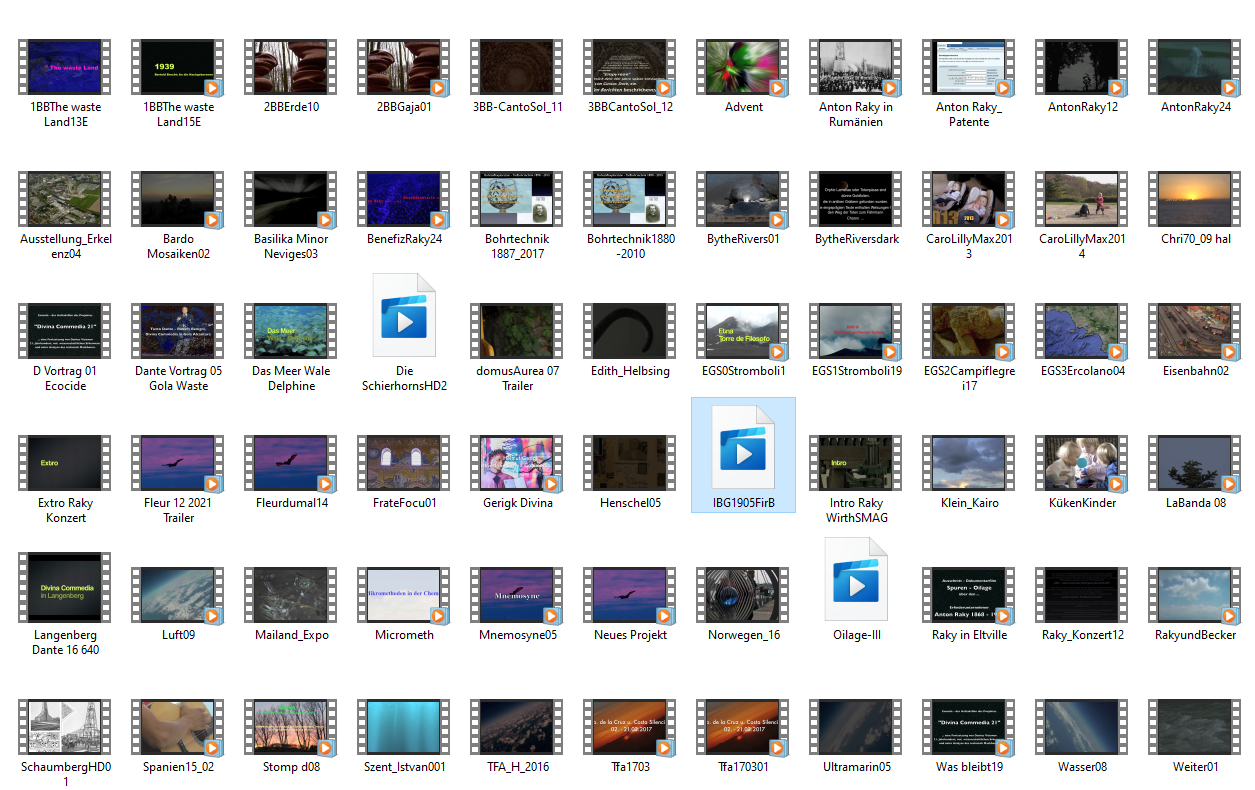
Videofilme und Interaktive Mosaiken

ceng1@gmx.de
© 2025. All rights reserved.
Das Ende der Reise