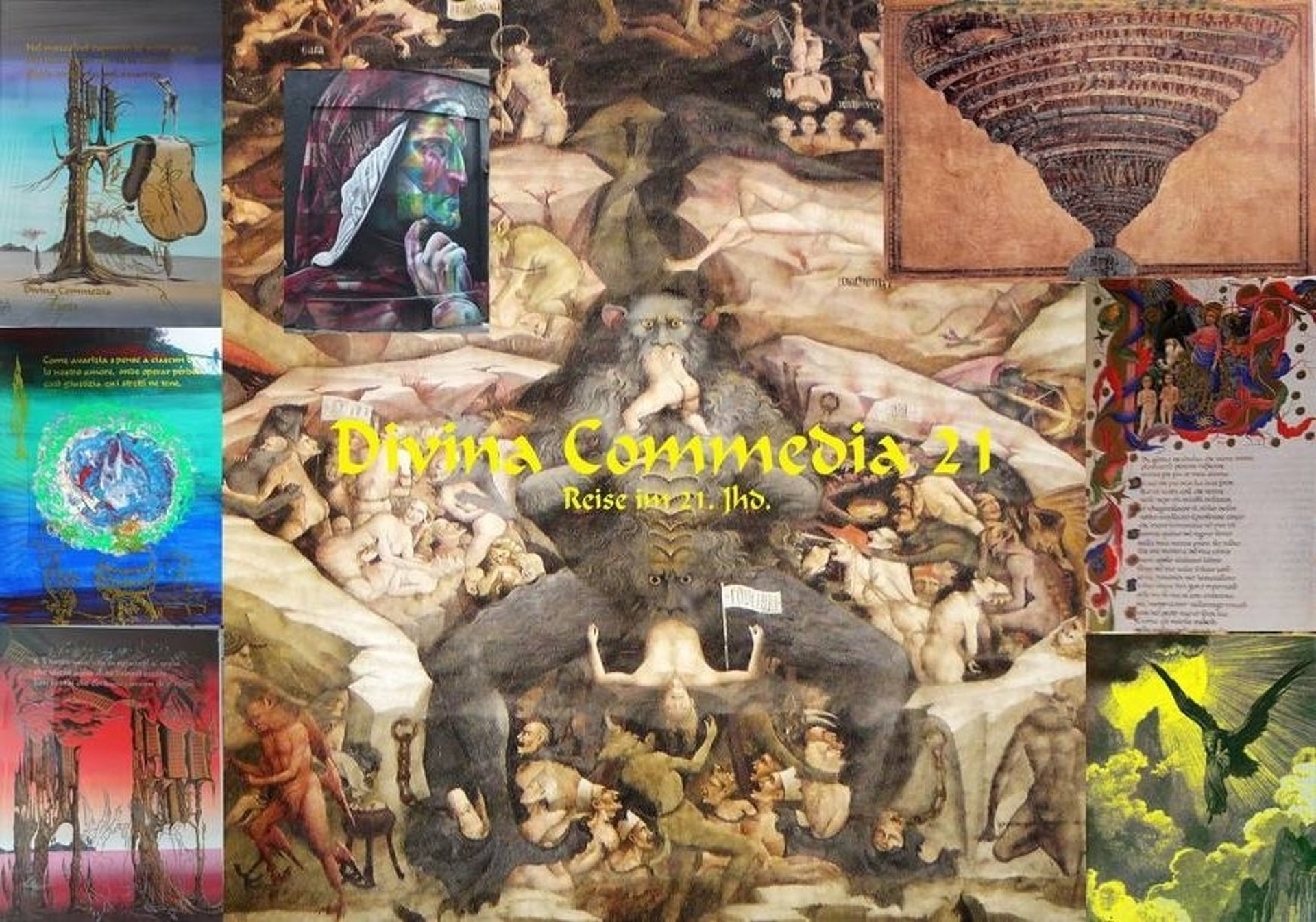
Dante heute: Eine Reise durch das 21. Jahrhundert
Wir spiegeln Dantes Dichtung in unserer modernen Welt und zeigen, wie Künstler und Denker heute seine Themen neu interpretieren.
5/8/20247 min read


Forschung, Wissenschaft, Technik
Ma vedi gia come dichina il giorno,
e andar su di notte non si puote;
pero e buon pensar di bel soggiorno.
Purgatorio 7, 43


Oilage
An der Schwelle zum 20. Jahrhundert prägten
3 Menschen
kommende Industrien und Wohlstand
Anton Raky - Erfinderunternehmer, Rohstoffmagnat und Mäzen,
Carl Engler - Wissenschaftler und Manager
und Josef Abt - Bankier, Finanzberater, Start up Investor.
Auch wenn ihre Namen vergessen wurden, so wirken ihre Kreativität und ihr Fleiß weit über die Zeit.

Oilage
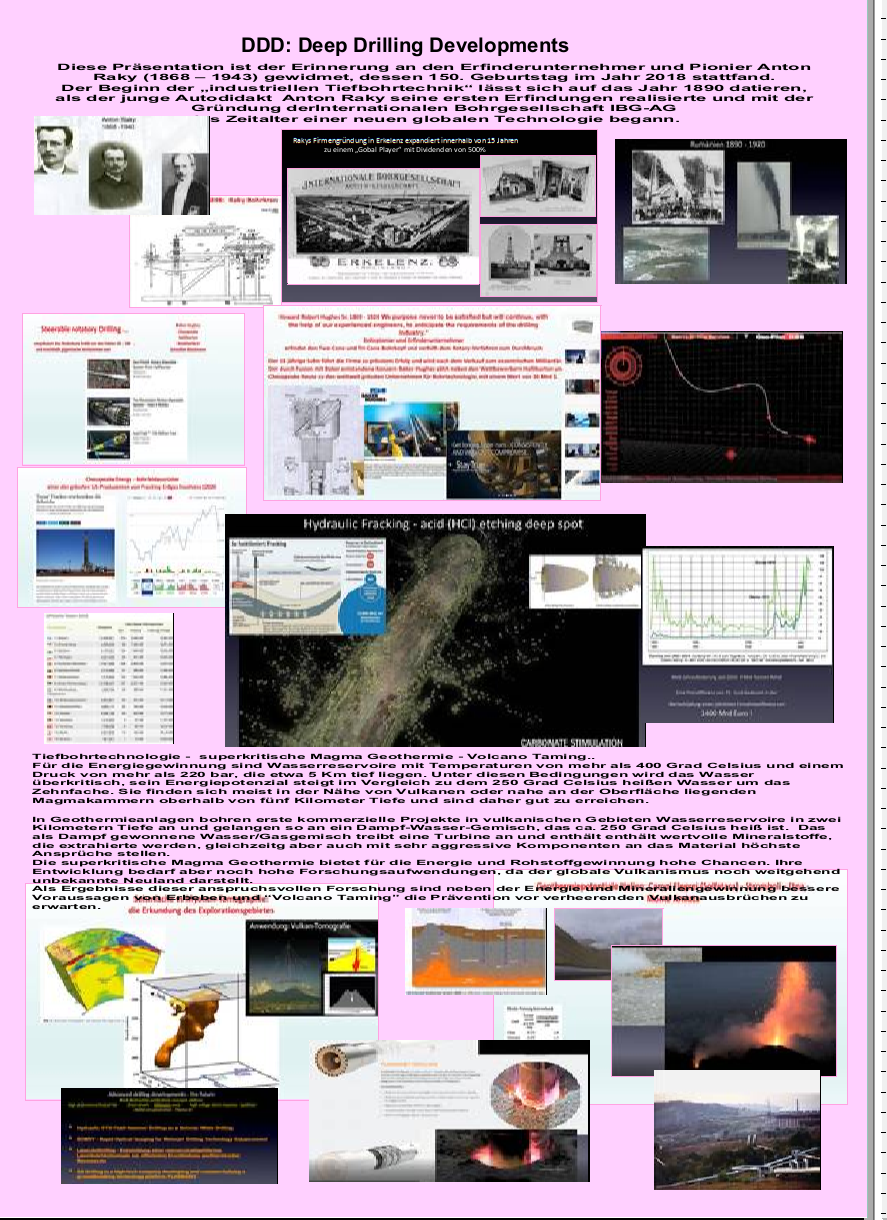
Anton Raky, an esteemed entrepreneur and inventor, is known for his innovative contributions that have significantly impacted various industries. Born with a natural curiosity and a passion for problem-solving, Raky embarked on his journey as a firm founder early in his career, combining his technical expertise with a keen business sense. Raky's ventures worldwide span several fields, from technology, engineering to environmentally sustainable practices and social aspects. His most notable accomplishments include the development of cutting-edge devices that enhance productivity and efficiency in the workplace, as well as groundbreaking patents that address contemporary environmental challenges. As a firm founder, Raky demonstrated remarkable leadership qualities, fostering a culture of creativity and collaboration within his teams. He believes that innovation flourishes in an inclusive environment where ideas can be freely exchanged and tested. Under his guidance, his companies not only achieved significant financial success but also gained a reputation for ethical practices and respect for the environment. Raky's dedication to innovation is further highlighted by his relentless pursuit of knowledge. He frequently attends international conferences, participates in workshops, and collaborates with other visionaries to stay at the forefront of technological advancement. His inventive spirit is matched only by his desire to mentor young entrepreneurs, guiding them in navigating the complexities of launching and managing a startup. Throughout his career, Anton Raky has received numerous awards and accolades, recognizing his achievements as a crucial player in the modern business landscape. His inventions have received acclaim for simplifying tasks, addressing user needs effectively, and setting industry standards. These accolades are a testament to his unwavering commitment to quality, functionality, and user experience. In addition to his professional endeavors, Raky is passionate about philanthropy, believing in giving back to the community that supported his success. He actively invests in educational programs and initiatives that promote entrepreneurship, particularly in underserved areas. This commitment to fostering innovation in others aligns perfectly with his vision of a future where creativity and sustainability coexist harmoniously. In summary, Anton Raky stands as a pillar of innovation and entrepreneurship. With a portfolio rich in inventions and a robust business acumen, he continues to inspire both established and aspiring entrepreneurs alike. His story is not just about individual success; it is about a broader vision for what the future can hold when determination, creativity, and ethical practices align.
Carl Engler: Scientist and Manager Carl Engler stands at the intersection of scientific innovation and effective management, blending his extensive knowledge in the natural sciences with a pragmatic approach to leadership. With a career that spans several decades, Engler has made significant contributions to both academia and industry, establishing himself as a thought leader in his field. Born with an insatiable curiosity and a passion for discovery, Engler pursued his education in the sciences, earning advanced degrees that laid the foundation for his future endeavors. His research has primarily focused on [specific field or area of expertise], where he has conducted pioneering studies that have advanced our understanding and application of key concepts. As a scientist, Engler is recognized for his ability to think critically and solve complex problems. His work has resulted in [mention notable achievements or publications], reflecting his commitment to advancing knowledge and finding practical solutions to real-world issues. Engler's research is characterized by meticulous methodology and a collaborative spirit, enabling him to work alongside a diverse range of professionals and institutions. Transitioning from a pure research focus to a leadership role, Engler embraced the challenge of managing teams and projects. His administrative roles within various organizations have showcased his capability to drive initiatives that bridge the gap between scientific research and operational success. Understanding that innovative ideas thrive in a supportive environment, Engler fosters a culture of collaboration, encouraging team members to share their insights and take ownership of their work. Engler’s management style is marked by transparency and communication. He believes that the key to effective leadership lies in empowering individuals while maintaining a clear vision for the organization. By establishing comprehensive frameworks for project management, Engler ensures that teams are not only aligned with the overall goals but also motivated to meet the challenges they encounter along the way. His efforts have not gone unrecognized; Engler has been awarded [mention any awards or honors], attesting to his dual impact as a scientist and a manager. Under his direction, various projects have yielded significant results, contributing to [mention any industries or fields affected by his work]. Engler’s strategic foresight has also positioned his teams at the forefront of technological advancements, ensuring that they remain competitive and relevant in an ever-evolving landscape. One of Engler's notable initiatives includes [describe a specific project or program he led], which effectively bridged theoretical research with practical applications. This initiative not only enhanced organizational capabilities but also promoted sustainable practices within the industry. Beyond his technical proficiency and management acumen, Engler remains committed to mentorship and education. He regularly engages with emerging scientists and managers, sharing his experiences and insights to help cultivate the next generation of leaders in the scientific community. His dedication to education extends to public outreach, where he passionately advocates for science literacy and the importance of research in societal development. In conclusion, Carl Engler exemplifies the ideal combination of scientific prowess and managerial expertise. His journey through academia and industry serves as an inspiring model for aspiring scientists and leaders alike. As he continues to navigate the complex landscape of science and management, Engler remains focused on his vision of fostering innovation and collaboration for the greater good.
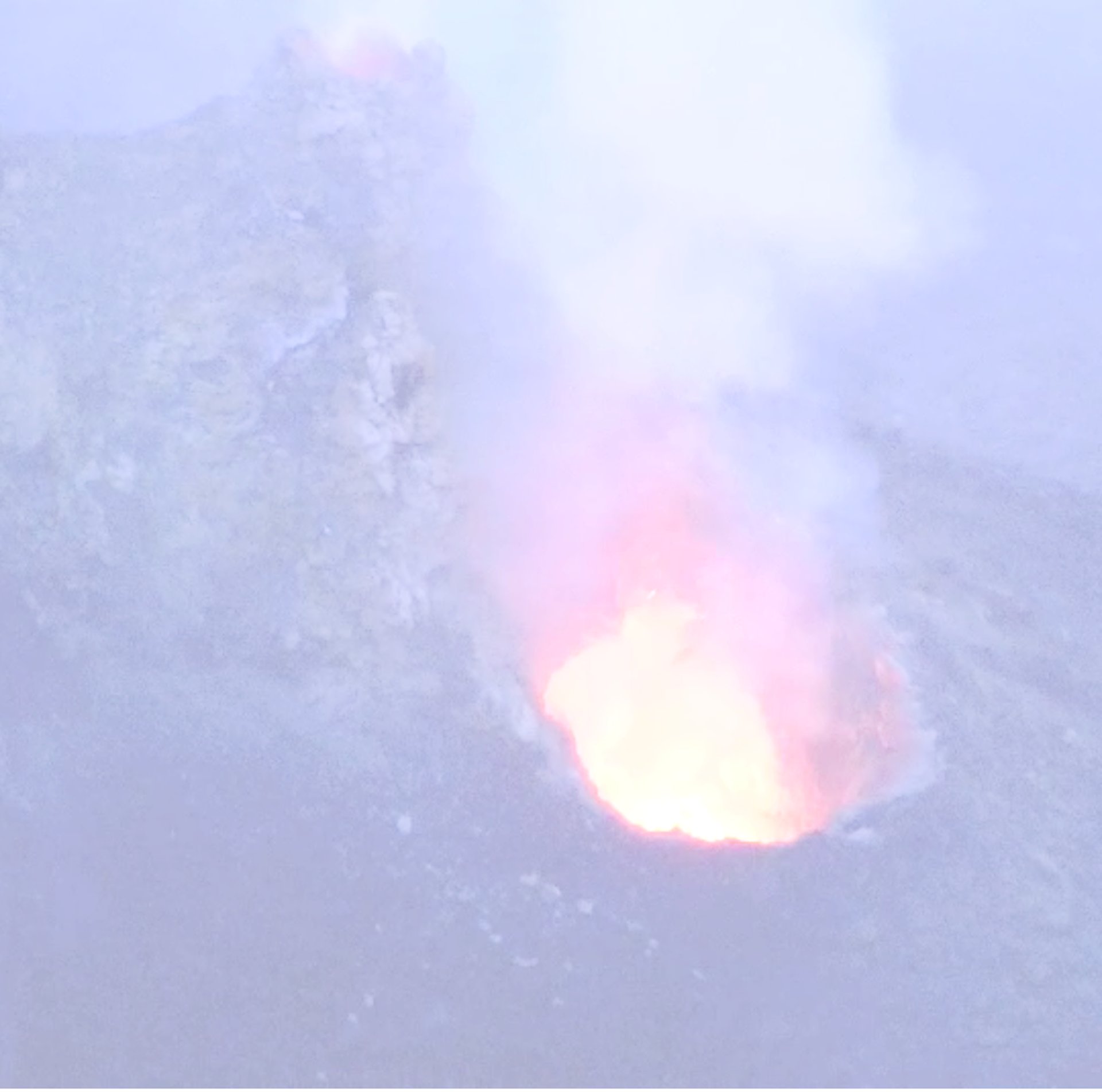
Deep drilling and volcano taming are two fascinating yet intricate subjects that reflect humanity's relentless pursuit of knowledge and control over nature. Both are grounded in the realm of geology and energy resources but tackle vastly different challenges. This article explores the methods, implications, and innovations surrounding deep drilling and the concept of volcano taming, shedding light on potential advancements in earth science and engineering.
Deep Drilling: Unveiling the Earth’s Secrets Deep drilling, often associated with oil and gas extraction, geothermal energy production, and scientific research, involves creating boreholes in the Earth’s crust to explore its depths. However, the practice transcends mere resource extraction; it's a powerful tool for scientific inquiry.
Techniques and Technologies Modern deep drilling employs a variety of advanced technologies, such as rotary drilling, mud logging, and digital monitoring systems. Rotary drilling, the most common method, involves using a rotating drill bit to break rock and create a borehole. The process is supported by drilling mud, which cools the bit, removes debris, and maintains pressure within the borehole. Meanwhile, mud logging provides real-time data on geological formations, enabling geologists to understand the Earth's composition better.
Scientific Endeavors Beyond hydrocarbon extraction, deep drilling projects such as the International Continental Scientific Drilling Program (ICDP) aim to explore the Earth's crust for scientific research. For instance, the Kola Superdeep Borehole, drilled in Russia, reached a depth of approximately 12 kilometers, revealing crucial data about the Earth's temperatures, geological formations, and the presence of ancient microorganisms. Such research not only sheds light on our planet's history but also informs us about potential resources and natural hazards.
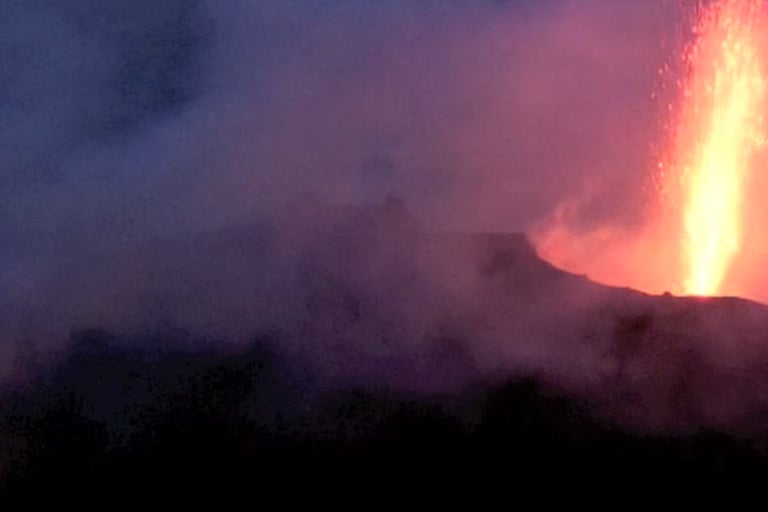
Environmental Concerns Despite its benefits, deep drilling can pose significant environmental risks. Issues such as groundwater contamination, induced seismicity, and habitat disruption are major concerns. Geoengineering solutions and stringent regulations are increasingly necessary to ensure that deep drilling practices are sustainable and minimize ecological footprints. Balancing scientific and economic benefits while safeguarding natural ecosystems remains a paramount concern for future developments in this field. ### Volcano Taming: Harnessing Nature’s Fury Volcano taming, while not yet a fully realized scientific endeavor, represents humanity's ambitions to mitigate and harness the power of volcanic activity. This concept, often viewed through speculative fiction lenses, encompasses a range of theoretical approaches to prevent volcanic eruptions and utilize geothermal energy more effectively.
Understanding Volcanic Activity The first step towards "taming" a volcano is a thorough understanding of volcanic dynamics. This involves monitoring seismic activity, gas emissions, and thermal anomalies to predict eruptions and assess risks. Using tools like remote sensing, GPS, and drones, volcanologists study these indicators to devise comprehensive monitoring systems. Advanced computer modeling also plays a crucial role in simulating eruption scenarios, enabling researchers to forecast potential impacts on surrounding communities and infrastructure.
Potential Taming Techniques Several theoretical approaches to volcano taming have been proposed:
1. Cooling Magma Chambers: One concept involves injecting water into magma chambers to induce cooling. This could theoretically stabilize the magma and reduce the likelihood of an explosive eruption. However, feasibility studies are critical, given the risk of triggering unexpected seismic activity.
2. Controlled Eruption: Some researchers suggest that it may be possible to induce small, controlled eruptions, thereby relieving pressure and preventing larger, more destructive events. This method, reminiscent of controlled blasts in mining, requires precision and thorough risk assessment.
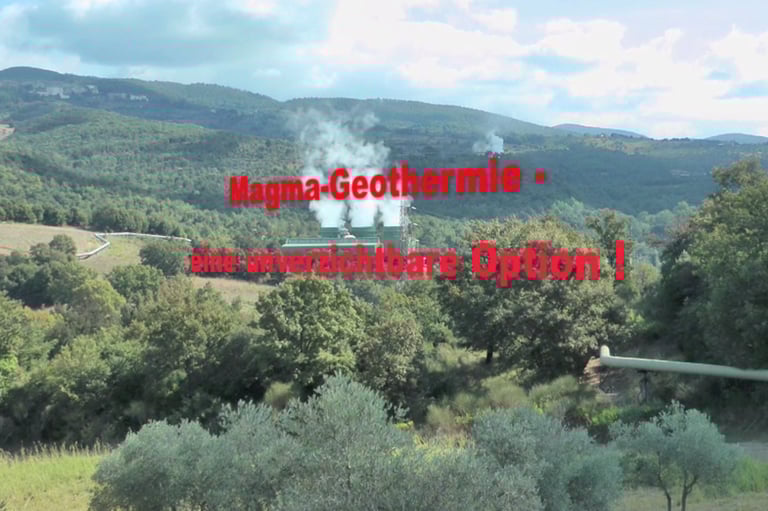
3. Geothermal Energy Utilization: Volcanoes present a significant opportunity for renewable energy production through geothermal systems. Taming a volcano to enhance geothermal energy extraction could reduce reliance on fossil fuels while providing a sustainable energy source. Harnessing steam and hot water from volcanic areas can power turbines, supplying electricity to nearby communities.
Ethical and Social Considerations The idea of taming a volcano raises numerous ethical and social questions. The potential risks of intervening with nature must be carefully weighed against the benefits of preventing disasters and harnessing energy. Communities living in volcanic regions must be actively involved in discussions surrounding these technologies, ensuring their rights and perspectives are central in any decision-making process.
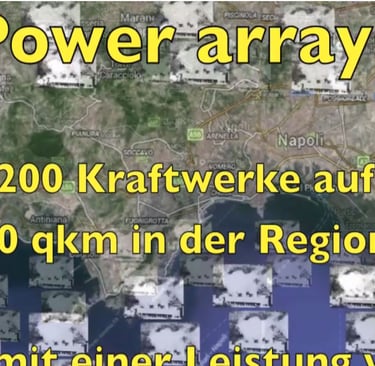
Campi Flegrei
Supervolcano -
Risks for the Zivilisation
Deep Drilling,
Geothermy,
Volcano Taming
Methan -
Hoffnung oder Problem


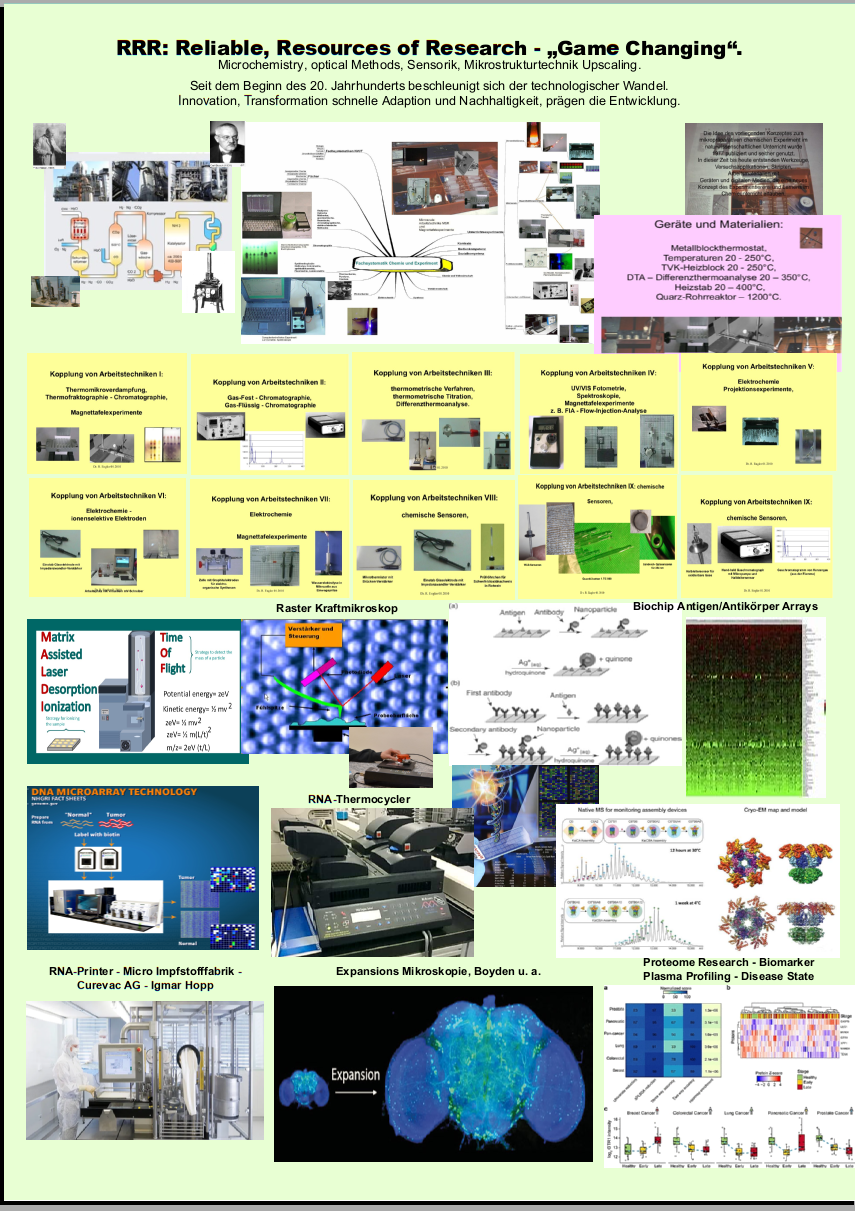
Covid -
Medizin und Forschung


Research
ceng1@gmx.de
© 2025. All rights reserved.
Das Ende der Reise